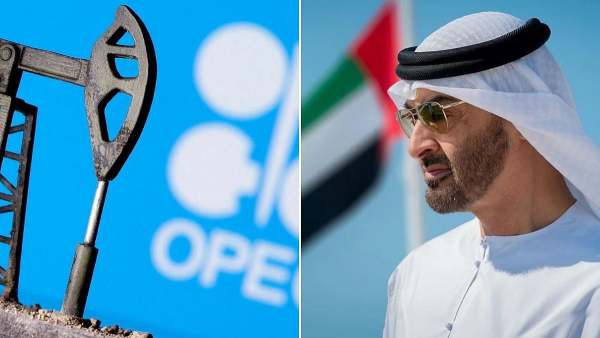
The UAE’s exit from OPEC and OPEC+ marks a major geopolitical shift, ending its alignment with Saudi-led oil policy. Abu Dhabi aims to boost output, prioritise market share, and secure long-term revenues amid declining fossil fuel demand. The move could weaken OPEC cohesion, reshape global energy dynamics, and trigger price volatility.
Abu Dhabi: In a move that has been described by analysts as a "watershed moment" for West Asia, the United Arab Emirates on Tuesday announced its withdrawal from the OPEC and OPEC+ groupings, marking a definitive end to decades of economic deference to Saudi Arabia.
A new strategic analysis by PSIFOS Consulting Group has characterised the decision not as a mere technical adjustment but as a "political rebellion" against Riyadh's dominance over regional energy policy.The move signals a fundamental shift in Emirati foreign policy, as the nation charts an independent course orientated toward the United States, Israel, and rapidly growing Asian markets.For years, tension has simmered within the OPEC+ framework between the region's two largest economies.
The Emirati strategy is to prioritise market share over price, as it has a more diversified economy and a low production cost. Analysts say Abu Dhabi seeks to maximise sales volumes, even if it means accepting modestly lower prices.
"The UAE withdrawal marks the formal conclusion of its economic deference to Saudi-led policies," the PSIFOS report states, noting that the relationship has evolved from a close alliance into "intense economic competition".
-
Hundreds of TVK supporters return disappointed from cancelled swearing in ceremony venue

-
Doctor explains what you need to know about hantavirus as 3 evacuated from cruise ship

-
Nationwide update over payment rules for these customers

-
'Unimaginative': President's menu for Vietnam leader, UP food list trigger criticism, jokes online

-
Saturday Night Live UK renewed despite viewer backlash 'excruciating'