Did a Cave in Uttarakhand Witness Mahabharata's Birth?
My Life XP | May 6, 2026 12:39 PM CST
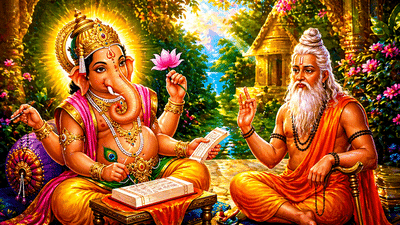
What if one of the greatest epics in history was not written in comfort but under pressure that allowed no pause? Deep in the Himalayas, inside a silent cave, a powerful moment unfolded where knowledge had to flow continuously and writing could not stop even for a second. This was not just about storytelling it was about discipline, focus, and purpose. What makes it even more powerful is that this wasn’t an ordinary effort. It was a moment where every word mattered, and every second tested patience, creating something far greater than just a text.
The Silent Place Where Words Began

High in the Himalayas lies Ganesh Gufa, a place surrounded by mountains and deep silence. This is believed to be where Maharishi Vyas began narrating the Mahabharata. The environment itself feels powerful calm, isolated, and focused. It’s not just a location; it’s an experience. The stillness of the cave reflects the depth of the knowledge spoken here. It reminds us that great creations often come from quiet, uninterrupted spaces.
The Condition That Changed Everything

When Ved Vyas decided to narrate the Mahabharata, he needed someone capable of writing it without pause. Lord Ganesha agreed but with one condition: the narration must never stop. This turned the task into a test of focus and endurance. It wasn’t just about writing—it was about maintaining a continuous flow. This agreement transformed a simple act into a powerful challenge that required both intelligence and discipline.
The Genius Behind the Complex VersesTo manage the condition, Vyas used a clever approach. He spoke complex and deep verses that required time to understand. This gave him moments to think while Ganesha interpreted and wrote. It wasn’t a pause but it created space. This shows that intelligence isn’t just about knowledge. It’s about using it wisely under pressure. The Mahabharata wasn’t just spoken it was strategically delivered. Every verse carried depth, meaning, and timing.
The Moment That Defined SacrificeAs the writing continued, Ganesha’s pen broke. But the condition remained no stopping. In that moment, he made a decision. He broke his own tusk and continued writing. This is why he is known as Ekdant. This act wasn’t about pain it was about commitment. It showed that when the purpose is greater, comfort becomes secondary. This moment turned the story into something deeper than just writing it became a symbol of dedication.
Why This Story Still Matters TodayEven today, people visit this sacred place during journeys like Char Dham Yatra. They offer prayers near the Saraswati River and experience the same silence that once held powerful words. This story is not just about the past. It teaches focus, patience, and sacrifice. It reminds us that meaningful work requires discipline and dedication. The cave still stands but the lesson continues.
Unlock insightful tips and inspiration on personal growth, productivity, and well-being. Stay motivated and updated with the latest at My Life XP.
Frequently Asked Questions (FAQs) Q1. Where is the Ganesh Cave located?
The Ganesh Cave is believed to be located near Badrinath in Uttarakhand, close to Mana village, which is often called the last village of India.
Q2. What is the story behind this cave?
According to mythology, Maharishi Ved Vyasa narrated the Mahabharata here, and Lord Ganesha wrote it down without stopping, turning divine speech into scripture.
Q3. Why did Ganesha break his tusk?
It is said Ganesha broke his tusk to continue writing the Mahabharata when his pen broke, showing devotion and determination.
Q4. Is this story mentioned in scriptures?
Yes, the tradition is mainly found in Puranic and epic narratives, especially linked to Hindu mythological beliefs and oral storytelling traditions.
The Silent Place Where Words Began
A quiet place where history took shape
High in the Himalayas lies Ganesh Gufa, a place surrounded by mountains and deep silence. This is believed to be where Maharishi Vyas began narrating the Mahabharata. The environment itself feels powerful calm, isolated, and focused. It’s not just a location; it’s an experience. The stillness of the cave reflects the depth of the knowledge spoken here. It reminds us that great creations often come from quiet, uninterrupted spaces.
The Condition That Changed Everything
A divine agreement that shaped history
When Ved Vyas decided to narrate the Mahabharata, he needed someone capable of writing it without pause. Lord Ganesha agreed but with one condition: the narration must never stop. This turned the task into a test of focus and endurance. It wasn’t just about writing—it was about maintaining a continuous flow. This agreement transformed a simple act into a powerful challenge that required both intelligence and discipline.
The Genius Behind the Complex VersesTo manage the condition, Vyas used a clever approach. He spoke complex and deep verses that required time to understand. This gave him moments to think while Ganesha interpreted and wrote. It wasn’t a pause but it created space. This shows that intelligence isn’t just about knowledge. It’s about using it wisely under pressure. The Mahabharata wasn’t just spoken it was strategically delivered. Every verse carried depth, meaning, and timing.
The Moment That Defined SacrificeAs the writing continued, Ganesha’s pen broke. But the condition remained no stopping. In that moment, he made a decision. He broke his own tusk and continued writing. This is why he is known as Ekdant. This act wasn’t about pain it was about commitment. It showed that when the purpose is greater, comfort becomes secondary. This moment turned the story into something deeper than just writing it became a symbol of dedication.
Why This Story Still Matters TodayEven today, people visit this sacred place during journeys like Char Dham Yatra. They offer prayers near the Saraswati River and experience the same silence that once held powerful words. This story is not just about the past. It teaches focus, patience, and sacrifice. It reminds us that meaningful work requires discipline and dedication. The cave still stands but the lesson continues.
Unlock insightful tips and inspiration on personal growth, productivity, and well-being. Stay motivated and updated with the latest at My Life XP.
Frequently Asked Questions (FAQs) Q1. Where is the Ganesh Cave located?
The Ganesh Cave is believed to be located near Badrinath in Uttarakhand, close to Mana village, which is often called the last village of India.
Q2. What is the story behind this cave?
According to mythology, Maharishi Ved Vyasa narrated the Mahabharata here, and Lord Ganesha wrote it down without stopping, turning divine speech into scripture.
Q3. Why did Ganesha break his tusk?
It is said Ganesha broke his tusk to continue writing the Mahabharata when his pen broke, showing devotion and determination.
Q4. Is this story mentioned in scriptures?
Yes, the tradition is mainly found in Puranic and epic narratives, especially linked to Hindu mythological beliefs and oral storytelling traditions.
READ NEXT
-
GWSSB: Opportunity for Engineering Graduates — Recruitment for Assistant Engineers at the Gujarat Water Board..

-
Indian Navy: Notification Issued for SSC Executive Recruitment; Selection for IT Posts to be Conducted Without a Written Examination..

-
BPSC 72nd Exam: BPSC 72nd Recruitment—365 Posts for Revenue Officers; How Many Vacancies Have Been Announced for DSP and SDO Positions?

-
UPSSSC JE Answer Key: UPSSSC JE Answer Key Released—Here's How to Download; Objections Can Be Submitted Until May 10..

-
UPPSC Lecturer Exam: GIC Lecturer Recruitment Exam will not be held on June 7, the commission has fixed a new date..