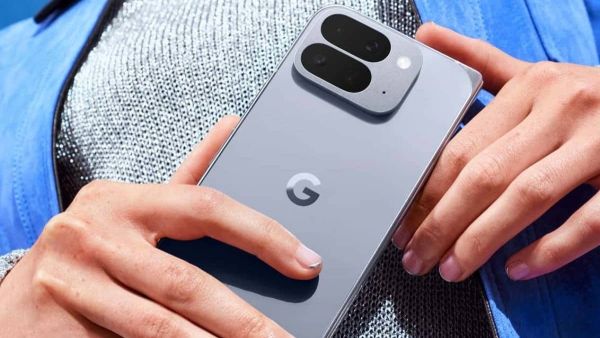
Google’s next flagship phone might arrive without one of its most anticipated upgrades. A fresh leak suggests the Pixel 11 series will not debut Google’s next-gen face unlock hardware, internally known as “Project Toscana,” raising questions about the company’s roadmap for biometric security.
What was Project Toscana supposed to do?
For the past few years, Google has been quietly working on a more advanced face unlock system - one that could finally match the reliability of Apple Face ID. The goal was simple but important: make face unlock work securely even in complete darkness, something current Pixel phones struggle with.
Unlike the basic camera-based face unlock seen on many Android devices, Google’s newer approach - introduced after the Google Pixel 4 era - has been relatively secure, but still limited by lighting conditions. Project Toscana was expected to fix that by using infrared sensors hidden under the display, similar to how Face ID works on iPhones.
Why it’s not coming to Pixel 11
According to a leak by Mystic Leaks, the hardware simply isn’t ready yet. That likely means technical hurdles - possibly around under-display IR sensors, accuracy, or cost -have pushed the feature out of this year’s cycle.
This isn’t entirely surprising. Building a secure, fast, and invisible face unlock system is complex. Apple took years to refine Face ID, and even today, it relies on a visible sensor array rather than hiding everything under the screen.
What Pixel 11 will focus on instead
Even without Toscana, the Pixel 11 lineup isn’t standing still. Early leaks point to:
- A new Tensor G6 chip for better AI performance
- Camera upgrades, as usual for Pixel phones
- Continued reliance on fingerprint unlock, likely improved but still central
Google has been balancing between fingerprint and face unlock, rather than fully committing to one. That hybrid approach may continue until its face unlock tech is truly ready.
Google playing the long game
Skipping Toscana this year could actually be a smart move. Rushing half-baked biometric tech into a flagship device is risky especially when security is involved.
If Google can crack under-display IR face unlock, it could deliver something cleaner than current solutions - no notch, no visible sensors, and full functionality in the dark. But that kind of leap needs time.
For now, Pixel users will likely have to wait another generation. And in the fast-moving smartphone race, being late is often better than being unreliable.
-
'The fundamental encounter between one soul and a new place hasn't changed at all': Writer Pico Iyer

-
Hantavirus outbreak: India faces no immediate public health threat, says virology institute chief

-
Prince Harry caught in 'huge royal battle' as he braces for major UK return

-
Little-known luggage tip that gets your suitcase off the plane first

-
Lieutenant General NS Raja Subramani appointed next chief of defence staff