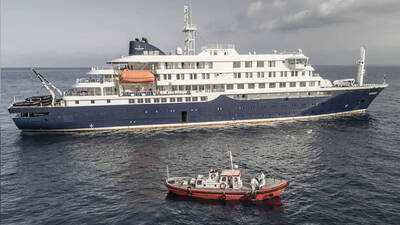
A significant health emergency has arisen from a luxury expedition vessel, the MV Hondius, leading to a political clash between Spain's central authorities and the Canary Islands. The ship, operated by Oceanwide Expeditions, set sail from Ushuaia, Argentina, in early April for a polar cruise. Unfortunately, a hantavirus outbreak occurred during the journey, resulting in the deaths of three passengers and several others falling ill. The vessel is currently heading towards the Canary Islands after failing to address the situation in Cape Verde.
The Hantavirus Outbreak
Hantavirus is generally spread through contact with infected rodents or their excrement. In this instance, it seems to involve a strain that can transmit between individuals in close quarters. Several passengers required evacuation for medical care, necessitating a port with advanced medical capabilities for screening, quarantine, and disinfection.
Controversial Decision by Madrid
The Spanish government in Madrid has permitted the ship to dock in the Canary Islands, particularly at a port like Granadilla on Tenerife. This decision was framed as a crucial humanitarian and public health action to assist passengers, including Spanish nationals, and to effectively manage the outbreak. However, Fernando Clavijo, the President of the Canary Islands, vehemently opposed this decision, claiming that the regional government was not adequately consulted and lacked detailed information regarding the onboard situation. Clavijo emphasized that the decision did not sufficiently prioritize the safety of island residents and called for an urgent meeting with Prime Minister Pedro Sánchez.
Concerns for the Canary Islands
The Canary Islands heavily rely on tourism, and any link to a hantavirus outbreak could tarnish the region's reputation as a safe travel destination, potentially harming its economy for years. Local officials stress the importance of safeguarding both residents and visitors from even minimal risks, regardless of health experts' assessments of the overall threat level.
Underlying Issues of Autonomy
This conflict underscores the ongoing tensions between mainland Spain and its autonomous regions. While the Canary Islands possess their own regional government with considerable authority, crucial decisions regarding international health issues and port operations often lie with Madrid. Island leaders perceive this as another instance of top-down governance, where the Canary Islands are treated merely as a convenient solution rather than a genuine partner. Many locals feel that decisions are made without real consultation, reinforcing a sense of being regarded as second-class territories.
Supporters of the central government argue that someone needed to take charge when Cape Verde could not manage the situation, and that refusing entry to a ship with sick passengers raises significant humanitarian concerns. As the vessel approaches Tenerife, passengers will undergo medical evaluations, necessary treatments, and eventual repatriation, while the ship itself will be thoroughly disinfected.
This incident transcends a mere health crisis, prompting critical discussions about how Spain navigates public health risks, regional autonomy, and humanitarian responsibilities. While the hantavirus outbreak is likely to be contained, the political discord and mistrust between Madrid and the Canary Islands may persist for a much longer time.
-
Suvendu terms aide’s killing ‘cold-blooded murder’, calls it result of 15 years of ‘Mahajungle Raj

-
Xbox Game Pass May 2026 games line-up and release dates - Forza Horizon 6 headlines

-
Tributes Pour In for Kyle Loftis as Fans Rally Around Cleetus McFarland

-
Kyle Loftis, Pioneer of Digital Motorsports Media, Passes Away

-
Sadiq Khan slammed by Reform for putting 'foreign nationals ahead of Londoners'