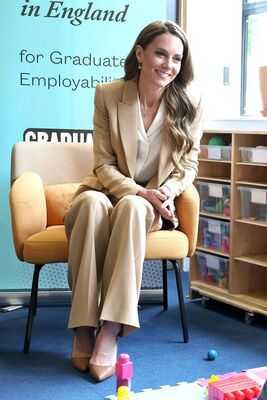
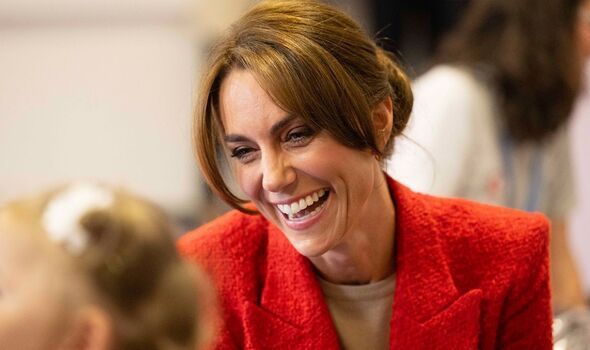
Princess Catherine has quietly launched one of the most important royal projects of the modern era - and unlike so much modern celebrity culture, it is not built around glossy branding exercises, curated lifestyle launches or endless reinventions.
Her new "Foundations for Life" initiative, launched through The Royal Foundation Centre for Early Childhood, is centred on something far more important: the next generation and, most crucially of all, children's brains.
At a time when public life feels increasingly performative, Catherine is doing something radically different. No matter how hard Meghan Markle tries to position herself as the relatable royal voice of modern womanhood, she will never be the Princess of Wales. Catherine's work is rooted in service, substance and long-term societal impact - committed, determined and focused on people rather than performance.
And frankly, it could not have arrived at a more critical moment.
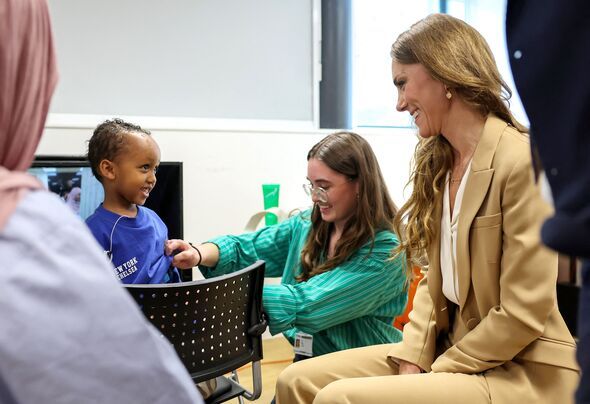
Yesterday, the Princess of Wales officially unveiled "Foundations for Life: A Guide to Social and Emotional Development", a new resource aimed at professionals working with young children and families.
Teachers, nursery staff, health visitors and family support workers will receive research-backed guidance designed to strengthen emotional development from birth to age five.
On paper, it sounds simple enough. Another royal campaign. Another palace-backed initiative. Another carefully packaged launch. Except this one feels different.
This is no longer Catherine simply raising awareness from the sidelines. The future Queen, 44, is edging into territory that feels increasingly societal, preventative and deeply consequential - tackling how emotional wellbeing in childhood shapes everything that follows later in life.
And as someone who worked with children long before becoming a royal journalist, I cannot overstate how important that is.
Before journalism, I completed an undergraduate degree in education and worked across both primary and secondary schools. I saw first-hand how profoundly early emotional experiences shape confidence, behaviour, communication and a child's ability to navigate the world around them.
You notice it immediately. Some children arrive emotionally secure and resilient. Others walk into classrooms carrying anxiety, instability or distress far beyond their years. Very often, the difference has little to do with intelligence and everything to do with relationships, support systems and emotional security at home.
That reality stays with you - and it is exactly why Catherine's work matters.
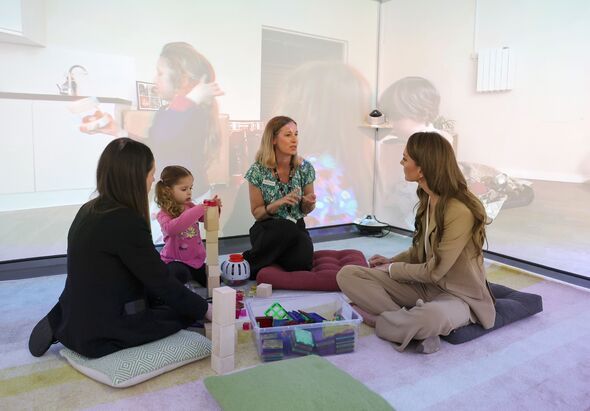
In many ways, Princess Catherine is doing what politicians have failed to do.
She is forcing conversations around emotional wellbeing, childhood development and prevention back into public view long before problems spiral into crisis.
Teen mental health struggles. Behavioural challenges in schools. Rising anxiety. Burnout. Social isolation. Entire systems buckling under pressure while politicians endlessly argue over sticking plasters, instead of asking harder questions about where these issues begin. And Catherine is asking those questions.
Next week, the Princess will travel to Italy for a two-day solo working visit tied directly to her early years campaign. Kensington Palace confirmed she will head to Reggio Emilia - internationally respected for its pioneering approach to child development and emotional learning.
Crucially, she is not going there for optics. She is going there to learn.
Royal tours are often dismissed as soft diplomacy wrapped in polished photographs and polite handshakes. But Catherine's latest trip feels far more deliberate than that.
She is not travelling to smile beside a classroom for five minutes before moving onto the next engagement. She is studying internationally recognised approaches to childhood development first-hand. That is proactive leadership.
The Princess launched The Royal Foundation Centre for Early Childhood back in 2021 to spotlight how experiences in a child's earliest years shape long-term life outcomes. Since then, her work has steadily evolved from broad public messaging into something far more ambitious.
In the guide's foreword, Catherine notes that by the age of five, a child's brain has already reached around 90 per cent of its adult size. Ninety per cent. Yet society still treats emotional development like an afterthought until everything starts falling apart later down the line.
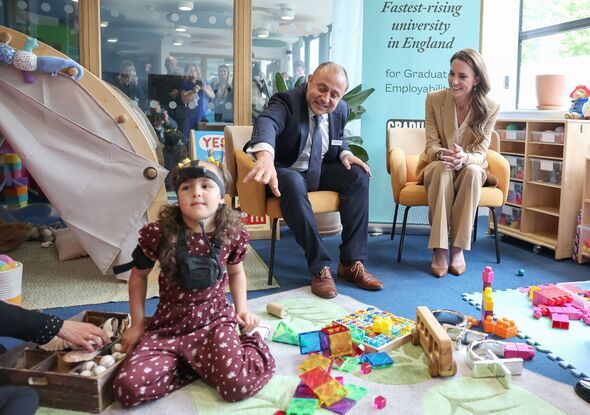
Modern childhood is changing rapidly - and not always for the better. Catherine herself warned society has become increasingly "distracted, fragmented and digital", and she is right.
Children are growing up in a world dominated by screens, reduced face-to-face interaction and rising emotional pressures, while parents, teachers and support staff are expected to somehow hold everything together with fewer resources and less support.
Then we act shocked when mental health struggles, behavioural issues and emotional burnout begin surfacing earlier and earlier.
That is exactly why Catherine's work matters. Her focus is not on repairing damage once systems are already overwhelmed - it is about intervening earlier, strengthening emotional resilience from the very beginning and recognising that healthier childhoods create healthier societies.
In simple terms: support children earlier and everyone benefits later.
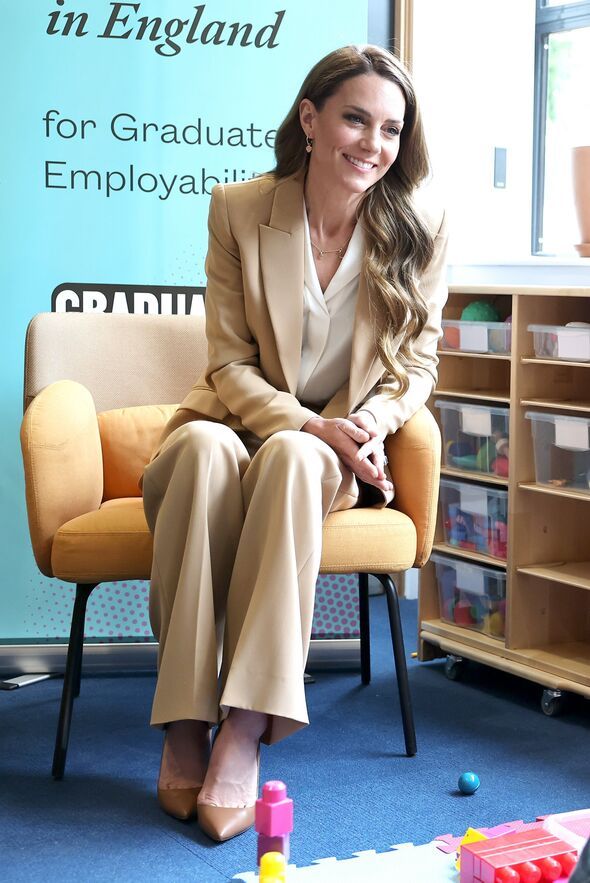
What makes Catherine's approach so striking is its consistency. This is not a passing royal passion project squeezed between glamorous appearances and fashion headlines. She has repeatedly described early childhood as her "life's work" - and for perhaps the first time, the scale of that ambition is becoming fully clear.
In many ways, this feels like the moment Princess Catherine moves beyond being simply a popular royal figure and into something far more influential. King Charles reshaped conversations around the environment. Princess Diana changed perceptions surrounding HIV and landmines. Catherine's work, however, reaches into every family, every classroom and every future generation.
At a time when the monarchy constantly faces questions over relevance, Catherine may have quietly found the answer. Not through politics. Not by having star power. But through long-term societal impact.
Princess Catherine is no longer simply representing the monarchy. She is trying to shape the future.
-
Salesforce to Hire 1,000 Graduates for AI Projects, Says CEO Marc Benioff

-
Ultrasounds: Now even MBBS doctors can perform ultrasounds! Just six months of training is required..

-
CSIR UGC NET December 2025 Certificates Released; Candidates Can Download Them via the Direct Link Provided Here..

-
CBSE 12th Result: Major Update Regarding Results from Controller of Examinations Sanyam Bhardwaj—Reveals When the Results Will Be Released.

-
Gold Prices Jump Again: 22-Carat Gold Crosses ₹1.39 Lakh in Delhi, Silver Also Surges