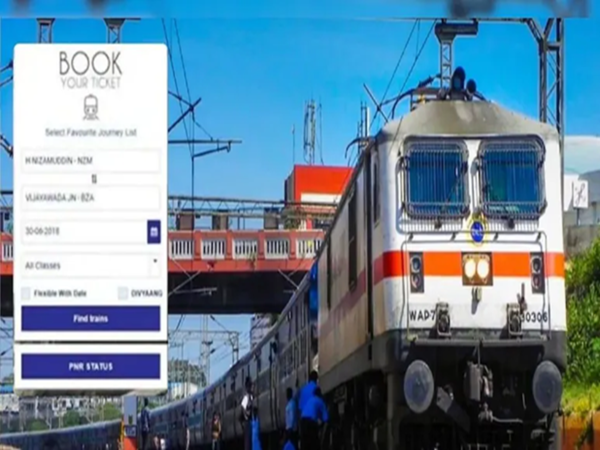
Railway's New Ticket Booking System: Millions of people travel on Indian Railways every day. Millions of people make ticket reservations daily—a process during which they often encounter difficulties. Consequently, Indian Railways is now set to completely overhaul its 40-year-old Passenger Reservation System (PRS). With the aid of AI, the new system will be able to predict whether a waitlisted ticket is likely to get confirmed or not. Union Railway Minister Ashwini Vaishnaw held a meeting with officials and issued directives to migrate trains to this newly upgraded system starting in August. According to the Railways, this upgrade is not merely a technical modification; rather, it is a transformative step aimed at completely revolutionizing the travel experience for millions of passengers.
**The 40-Year-Old Rail Ticket Reservation System to be Replaced**
According to the Railways, the current reservation system was introduced in 1986. Although several minor modifications were implemented over the past 40 years, preparations are now underway to completely modernize it using the latest technology. The objective is to ensure that passengers do not face any difficulties whatsoever during the ticket booking process. The new system will facilitate faster ticket bookings, reduce the load on servers, and provide passengers with more accurate real-time information.
Railway Minister Ashwini Vaishnaw has issued clear instructions to officials, emphasizing that passengers must not face any inconvenience during this transition period and that ticketing services must continue without interruption. The Railways notes that, given the growing usage of online ticket booking, mobile applications, and AI-based services in the present era, the pressure on the legacy system has become immense. This is precisely why the need for a new system—one featuring high capacity and smart capabilities—was keenly felt.
It was in 2002 that the Railways first introduced the facility for booking tickets via the internet. Today, the landscape has shifted significantly, with the majority of people now preferring to book tickets online rather than visiting physical ticket counters. Approximately 88% of all ticket bookings made across the country are now conducted online. A prime example of this digital transformation is 'RailVaani'—the mobile application developed by Indian Railways. This app is rapidly gaining popularity among passengers. The RailOne app was launched in July of last year, and in less than a year, it has already garnered over 35 million downloads. Furthermore, grievances related to ticket bookings or other services can also be resolved directly through this app.
How will the new rail ticket reservation system work?
AI to Predict Ticket Confirmation Status—Under the new system, an Artificial Intelligence (AI)-based prediction feature has been integrated into the 'RailOne' app. By analyzing historical booking data and trends, this system will indicate the likelihood of a waitlisted ticket getting confirmed; the accuracy of this prediction has now reached up to 94%.
Faster Bookings—The new system will process bookings at a speed of 125,000 tickets per minute, which is approximately five times faster than the previous system's rate of 25,000 tickets per minute. This initiative is expected to curb the use of illicit software and crack down on touts.
Date Changes Without Cancellation Fees—Now, instead of having to cancel a confirmed ticket, passengers will be able to modify their travel dates without incurring any cancellation charges.
Tatkal Ticket Regulations—To prevent irregularities associated with Tatkal bookings, Aadhaar authentication has now been made mandatory for online Tatkal ticket reservations.
Disclaimer: This content has been sourced and edited from NDTV India. While we have made modifications for clarity and presentation, the original content belongs to its respective authors and website. We do not claim ownership of the content.
-
American tourist dies after falling from 29th-floor pool deck at Hong Kong hotel, injuring 7 pedestrians
-
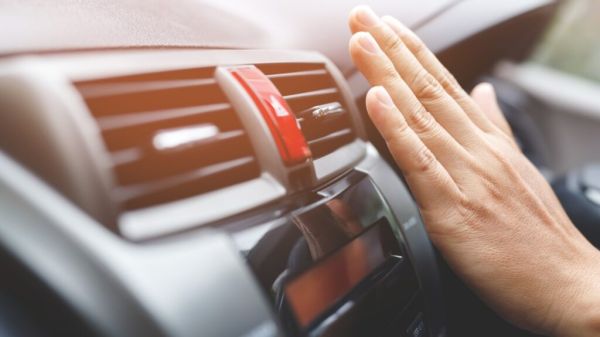
If Your Car’s Air Conditioner Feels Weak, You Should Check Here First
-
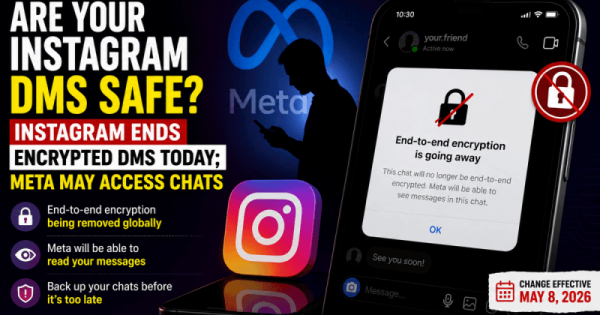
Are your Instagram DMs safe? Meta ends encrypted chats today
-
Why you can never get your doctor to call you back
-
Valverde suffers concussion following brawl with Real Madrid teammate