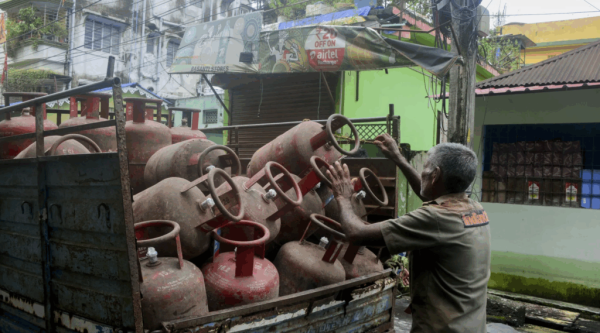
The government has reportedly begun strict implementation of a new LPG policy that limits households to only one type of domestic cooking gas connection. Under the revised rules, homes with active piped natural gas (PNG) connections may no longer be allowed to keep domestic LPG cylinders simultaneously.
The move is part of broader efforts to streamline cooking gas distributionreduce subsidy misuse, and manage fuel supply pressures amid global energy market disruptions.
What Is The New LPG Rule?
The revised policy effectively introduces a “One Household, One Gas Connection” framework.
Under the new rules:
- A household cannot keep both LPG and PNG connections simultaneously
- Homes with active PNG supply may need to surrender LPG cylinders
- Oil companies may stop issuing LPG refills to households already using PNG
- New LPG connections may not be approved where PNG is available
The Ministry of Petroleum and Natural Gas reportedly amended LPG supply regulations in March 2026 under the Essential Commodities framework.
Why Is The Government Doing This?
Officials say the move is aimed at:
- Preventing duplicate domestic gas usage
- Reducing black marketing of subsidised LPG
- Improving subsidy targeting
- Ensuring supply for households fully dependent on LPG
- Encouraging transition toward PNG infrastructure
The decision comes amid concerns over global fuel supply disruptions and rising LPG import pressures following geopolitical tensions in West Asia.
Reports indicate India imports nearly 60% of its LPG requirements, increasing vulnerability to global supply chain disruptions.
Which Households Could Be Affected?
The biggest impact is expected in urban regions where PNG infrastructure is already available.
Households that may be affected include:
- Homes already using PNG pipelines
- Residential societies with active PNG networks
- Consumers holding both LPG and PNG connections
- Inactive LPG consumers with irregular refill history
Authorities have reportedly started identifying dual-connection households in cities including Delhi and other major urban areas.
OTP Delivery And New Booking Restrictions
Alongside the “One Household, One Connection” rule, the government has also tightened LPG delivery and booking norms.
New measures reportedly include:
- Mandatory OTP-based LPG delivery authentication
- Longer waiting periods between refill bookings
- Mandatory e-KYC verification
- Restrictions on inactive LPG accounts
In several districts, LPG distributors have been instructed to deliver cylinders only after OTP verification and within fixed delivery timelines.
What Consumers Should Do Now
Consumers are being advised to:
- Complete Aadhaar-based e-KYC
- Update registered mobile numbers
- Check PNG eligibility in their locality
- Close duplicate or inactive LPG connections
- Ensure subsidy-linked bank details are updated
Households already using PNG may reportedly need to voluntarily surrender LPG connections to avoid refill disruptions in the future.
Why The Policy Is Controversial
While the government says the policy improves efficiency and prevents misuse, critics argue it may create problems for consumers who prefer LPG as backup fuel during PNG outages or maintenance work.
Rural and semi-urban consumers have also raised concerns over:
- OTP- delivery difficulties
- Connectivity issues
- Delivery delays
- Reduced flexibility in fuel usage
Several distributor associations have approached courts and authorities seeking continuation of offline LPG systems alongside digital authentication mechanisms.
-
Bus driver dies of heart attack, averts major tragedy near Madikeri
-
Home Minister Parameshwara Denies Free MLA Ticket Row Forced IPL 2026 Final Shift From Bengaluru

-
Bharat Forge Announces Dividend Despite Q4 Losses

-
Suryakumar Yadav Welcomes Baby Girl Amid IPL Challenges

-
Saif Ali Khan Returns as a Cop in Netflix's 'Kartavya'