Freshly washed hair often feels soft, clean, and full of life. But for many people, that clean feeling disappears surprisingly fast. Sometimes, within just one day, the scalp starts looking greasy again. Hair begins to stick together, lose volume, and appear flat or dirty even after proper washing.
This can be extremely frustrating, especially for people who spend time styling their hair or trying different haircare products. Some people start washing their hair daily to deal with the oiliness, while others try expensive shampoos hoping for long-lasting freshness. Unfortunately, the problem often continues.
The surprising part is that oily hair is not always a sign of poor haircare. In fact, many people accidentally make their scalp oilier by using the wrong habits or products. The scalp naturally produces oil called sebum, which helps protect and moisturize the hair. However, when too much oil is produced, hair can start looking greasy much sooner than expected.
Many factors can affect oil production. Hormones, stress, weather, hair texture, and even touching the hair too often can influence how quickly oil builds up on the scalp. Some people naturally have oilier skin and scalp than others, which means their hair may become greasy faster regardless of how clean they keep it.
The good news is that understanding the reasons behind oily hair can help improve the situation. Small changes in daily habits and haircare routines can often make a noticeable difference over time.
Your Scalp Naturally Produces Oil
One of the biggest reasons hair becomes oily quickly is completely natural. The scalp contains sebaceous glands that produce oil to protect the skin and hair. This oil keeps hair from becoming too dry and brittle.
However, some people naturally produce more oil than others. If someone has oily skin, there is a good chance they may also have an oily scalp. Genetics play a major role in determining how active the oil glands are.
People with fine or thin hair may notice oiliness more quickly because there is less hair to absorb the scalp’s natural oils. The oil spreads faster across the hair strands, making the hair appear greasy sooner.
Hormonal changes can also increase oil production. Teenagers, young adults, and people experiencing hormonal fluctuations often deal with oilier hair because hormones directly affect the sebaceous glands.
Weather conditions may also influence scalp oiliness. Hot and humid weather can make the scalp sweat more, causing the hair to look greasy faster than usual.
Many people think oily hair means the scalp is unhealthy, but that is not always true. Oil production is actually an important function of the body. The real issue begins when the oil becomes excessive or difficult to manage.
Washing Hair Too Often Can Make the Problem Worse

One of the most common mistakes people make is over washing their hair. When hair starts looking greasy quickly, many people begin washing it every single day. While this may seem helpful at first, it can actually make the scalp produce even more oil.
Strong shampoos can strip away the scalp’s natural oils too aggressively. In response, the scalp sometimes tries to protect itself by producing extra oil. This creates a frustrating cycle where the hair becomes oily faster, leading to even more washing.
People who frequently use harsh cleansing products may unknowingly irritate their scalp. A stressed or irritated scalp can sometimes increase oil production as a defense mechanism.
Another problem comes from using very hot water during hair washing. Hot water can dry out the scalp temporarily, which may encourage the oil glands to work harder afterward.
Many hair experts recommend using lukewarm water and choosing gentle shampoos designed for balanced scalp care rather than extremely harsh oil-removal products.
Conditioner habits also matter. Applying heavy conditioner directly onto the scalp can make hair appear greasy much sooner. Conditioner is usually best applied mainly to the middle and ends of the hair instead of the roots.
Finding the right washing balance is important. Some people truly need more frequent washing due to naturally oily scalps, while others may benefit from slowly reducing overwashing over time.
Product Build up May Be Making Hair Look Greasier
Hair products can sometimes create hidden buildup on the scalp and strands. Dry shampoo, serums, sprays, oils, leave-in conditioners, and styling creams may collect over time and make the hair feel heavier and oilier.
Even products labeled as nourishing or moisturizing can become problematic if used excessively. When too many products layer onto the scalp, hair can lose freshness much faster after washing.
Silicone-heavy products are another common issue. While silicones can make hair feel smooth and shiny temporarily, they may also create buildup that traps oil and dirt on the scalp.
People who use dry shampoo very often may also notice worsening oiliness over time. Dry shampoo can absorb grease temporarily, but if it is used repeatedly without properly cleaning the scalp, buildup can develop.
Hard water may also contribute to residue accumulation. Minerals in hard water sometimes prevent shampoo from rinsing out fully, leaving hair feeling coated or heavy.
Clarifying shampoos can help remove buildup occasionally, but they should not always be used too frequently because they may dry out the scalp if overused.
Hair tools such as brushes, combs, pillowcases, and towels can also transfer oil and product residue back onto freshly washed hair. Cleaning these items regularly can help reduce unnecessary oil transfer.
Daily Habits Can Affect How Oily Your Hair Looks
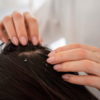
Many everyday habits influence scalp oiliness without people realizing it. Touching the hair constantly is one of the biggest hidden causes. Every time fingers run through the hair, oils from the hands transfer onto the strands.
People who frequently adjust their hair throughout the day may unintentionally make it look greasier much faster. This is especially noticeable with bangs or hair around the face.
Stress may also play a role in oily hair. High stress levels can affect hormones, which may increase oil production in both the skin and scalp.
Diet can sometimes influence scalp condition as well. While food alone may not directly cause oily hair, diets high in processed foods, sugary items, or unhealthy fats may affect overall skin and scalp balance in some individuals.
Exercise and sweating also contribute to how hair feels after washing. Sweat itself is not oil, but it can mix with scalp oils and make the hair appear greasy more quickly.
Sleeping habits matter too. Oil from the scalp transfers onto pillowcases overnight and can spread back onto the hair. Changing pillowcases regularly may help keep hair fresher for longer.
Certain hairstyles may also affect oil distribution. Tight hairstyles or constantly covering the scalp with hats can trap heat and sweat, which may contribute to greasy-looking roots.
Understanding Your Hair Type Is Important
Different hair types react differently to oil. People with straight hair often notice oiliness faster because the oil travels down the strands more easily. Curly or textured hair usually distributes oil more slowly because the hair pattern creates natural barriers.
Fine hair tends to lose volume quickly once oil builds up, while thick hair may hide grease slightly better. Understanding natural hair texture can help people choose more suitable haircare routines.
Some people constantly compare their hair to others online without realizing that genetics and hair type play a huge role in oil production. What works for one person may not work the same way for another.
Instead of chasing every viral haircare trend, it is often more useful to focus on understanding the scalp’s individual needs. Gentle routines, proper cleansing, balanced products, and patience usually work better than extreme solutions.
Healthy scalp care is not about removing every trace of oil. It is about maintaining balance without irritating or overloading the scalp.
Hair that becomes oily just one day after washing can feel annoying and difficult to manage, but the problem is often more complex than simply having “dirty” hair. Natural oil production, overwashing, product buildup, stress, weather, hormones, and daily habits all play important roles in how quickly hair becomes greasy.
Many people accidentally worsen the problem by washing too aggressively or using heavy products that disturb the scalp’s natural balance. In reality, healthy hair depends on managing oil rather than trying to eliminate it completely.
Small adjustments such as choosing gentler products, avoiding excessive touching, cleaning hair tools regularly, and understanding personal hair type can gradually improve scalp balance over time.
The most important thing to remember is that oily hair is extremely common. It does not automatically mean poor hygiene or bad haircare. The scalp is simply reacting to a combination of natural body functions and daily habits.
With patience and the right routine, many people can reduce excess oiliness and help their hair stay fresh, lighter, and healthier for longer periods after washing.
Discover expert advice and the latest updates in Skin Care, Hair Care, Wellness, Dermatology, and more at Stay Young guide to lasting beauty and holistic health!
-
Tensions Rise in Hapur District Following Clash During Maharana Pratap Jayanti Procession

-
ED arrests Punjab minister Sanjeev Arora in fresh money laundering case

-
PB Fintech Gets Stock Broking Licence From SEBI For Debt Segment

-
Is AI weakening your thinking power? New study reveals shocking findings.

-
State pensioners handed £344.20 every four weeks - on 3 conditions