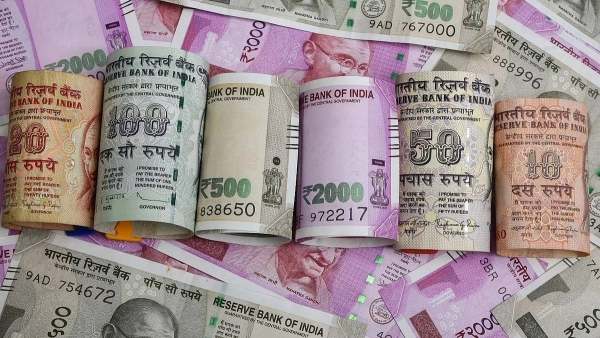
Who Should Not File an ITR: Did you know that income up to ₹12 lakh can be exempt from ITR filing requirements? Furthermore, significant changes have been introduced to tax regulations for senior citizens. If you are over 75 years of age and your sole source of income is a pension, you are no longer required to file an income tax return.
Who Should Not File an ITR: In today's environment—whether you are a salaried employee or a senior citizen—understanding tax regulations is crucial. The government periodically introduces changes to tax rules and exemptions. By staying updated on these changes, you can not only avoid potential penalties but also ensure that you file your tax returns in a timely manner. However, are you aware that filing an Income Tax Return (ITR) is not mandatory for everyone in India?
Who Is Exempt from the Stress of Filing an ITR?
According to Indian tax laws, if your annual income falls below a prescribed threshold (known as the Basic Exemption Limit), you are neither required to pay taxes nor obligated to file an ITR. Currently, two distinct tax systems are operational in the country: the Old Tax Regime and the New Tax Regime. For individuals under the age of 60, the Old Tax Regime allows for income up to ₹5 lakh to be effectively tax-free through applicable rebates. Conversely, under the New Tax Regime, this exemption limit has been raised to ₹12 lakh. This means that if your income falls within this specified limit, you are relieved of the hassle of filing an income tax return.
What Are the Rules Regarding Tax Exemptions for Senior Citizens?
The government has established distinct provisions for Senior Citizens (aged 60 to 80 years) and ‘Super’ Senior Citizens (aged above 80 years):
- Senior Citizens (60–80 years): Under the Old Regime, income up to ₹3 lakh is exempt from tax for this group; whereas under the New Regime, they are entitled to an exemption benefit on income up to ₹12 lakh.
- Super Senior Citizens (80+ years): For this group, income up to ₹5 lakh is kept tax-free under the Old Regime. Under the New Regime, the exemption limit remains the same as that for the general public.
- If your annual income falls below the prescribed limits for these respective categories, you are not required to file an Income Tax Return (ITR).
What specific relief has been granted to individuals aged over 75?
Under Section 194P of the Income Tax Act, a significant relief has been extended to senior citizens aged 75 years or older. If an Indian resident senior citizen's sole sources of income are their pension and bank interest, they are exempted from the requirement to file an ITR. The only condition is that the interest income must be derived from the same bank where their pension is credited. To avail of this benefit, the senior citizen must submit a declaration form to their bank. Subsequently, the bank will itself deduct the applicable tax (TDS) from their income and remit it to the government, thereby relieving the individual of the need to file a separate tax return.
What is the most crucial point to keep in mind?
These tax-related exemptions are applicable exclusively to individuals who fulfill the specified conditions. If your income exceeds these prescribed limits—even by a single rupee—you will be required to pay tax in accordance with the applicable tax slabs. Simply put, the government has significantly reduced the compliance burden for low-income earners and senior citizens who rely solely on their pensions, enabling them to lead their retired lives without any undue mental stress.
-
Salaam-e-Ishq To Return With Sequel, Script In Progress

-
‘No Need For Governor’: Kanimozhi Karunanidhi Amid Tamil Nadu Govt Formation Uncertainty
-
Luxury Homes Boom, But West Asia War Casts Shadow On India Property Market

-
Delhi Govt Orders Audit of Schools After CM Rekha Gupta Finds Poor Facilities During Surprise Visit
-
Nagaland State Lottery Result: May 8, 2026, 1 PM Live - Watch Streaming Of Winners List Of Dear Victory Sambad Morning Friday Weekly Draw