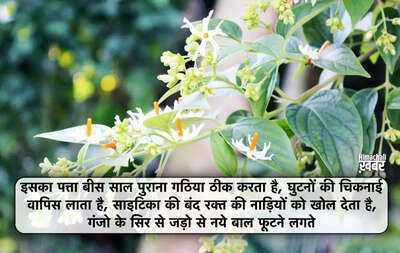
Parijat trees are not particularly large and produce round seeds. Their flowers are delicate and highly fragrant, often falling to the ground when the tree is shaken. The scent of these flowers wafts through the air, bringing joy and delight.
Cultural Significance and Unique Features
Known as 'Parijat' in Sanskrit and 'Shiu Li' in Bengali, this tree bears small white flowers with orange stems, exuding a strong fragrance. The flowers bloom at night and fall by morning. According to Kunwar Harisingh from Roorkee, while the Parijat species is not native to India, a single tree exists in the Boroliya village of Ramnagar in Barabanki district, Uttar Pradesh. This tree, approximately 50 feet tall with a trunk height of 45 feet, has branches that bend towards the ground and dry upon touching it. It blooms only once a year in June, showcasing beautiful white and yellow flowers. This tree can live between 1,000 to 5,000 years and belongs to the Adansonia genus, which has only five species worldwide, one of which is 'Dizahat'.
15 Remarkable Benefits of Parijat
1. Arthritis Relief: Crush five leaves of the Parijat tree and prepare a paste. Boil it in a glass of water until it reduces by half, then cool and drink. This remedy can alleviate arthritis pain that has persisted for decades.
2. Joint Lubrication: For those experiencing joint pain and reduced lubrication, boil 10-12 leaves in a glass of water until it reduces to a quarter. Drink it without straining for 90 days to restore joint lubrication.
3. Sciatica: Boil Parijat leaves to make a decoction, which can help relieve sciatica by opening blocked blood vessels.
4. Hair Loss: Grinding Parijat seeds with water and applying them to bald spots can stimulate new hair growth.
5. Fever Relief: Consuming a paste of leaves can help treat fevers like Chikungunya, Dengue, Encephalitis, and brain malaria.
6. Hemorrhoids: Eating one seed daily can help treat hemorrhoids, and applying a paste can provide relief.
7. Liver Health: Drinking a mixture of Parijat leaf juice with ginger and honey can improve liver and spleen health.
8. Heart Health: The flowers are considered beneficial for heart health; consuming them during their blooming month can help prevent heart diseases.
9. Skin Conditions: Applying crushed leaves can treat skin ailments effectively.
10. Cough Relief: Mixing crushed leaves with honey can alleviate dry cough.
11. Respiratory Issues: Consuming powdered bark can reduce mucus and help with asthma.
12. Chronic Fever: Consuming young shoots with black pepper can benefit women's health, while leaf juice can treat chronic fever.
13. Itching: Mixing leaves with flour or yogurt can provide relief from itching.
Precautions
It is important to note that Parijat can be harmful in cases of cough. To mitigate its adverse effects, Kootki is recommended.
-
'The fundamental encounter between one soul and a new place hasn't changed at all': Writer Pico Iyer

-
Hantavirus outbreak: India faces no immediate public health threat, says virology institute chief

-
Prince Harry caught in 'huge royal battle' as he braces for major UK return

-
Little-known luggage tip that gets your suitcase off the plane first

-
Lieutenant General NS Raja Subramani appointed next chief of defence staff