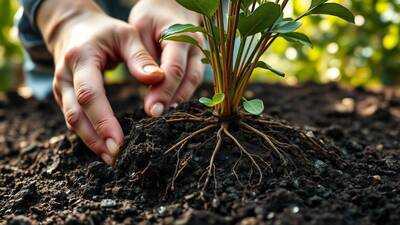
There is a special feeling of satisfaction derived from completing your weekend gardening project. The process involves digging holes, planting new greens, and stepping back to appreciate a yard that looks more mature than ever before. However, while for some people the hardest part lies after the completion of the digging, for many homeowners, the most difficult stage begins when you pack up your gardening tools. A newly planted plant may fit right where it was meant to be, but under the surface, it can be in a survival mode.
The transition from a plastic nursery pot to the open ground is a major shock to a plant’s system. In the nursery, these shrubs are pampered with daily water and high-performance fertilisers. Once they hit your backyard soil, they have to work for their dinner. The biggest mistake most gardeners make is treating a brand-new plant like it is already part of the family. In reality, that first year is a bridge period where the rules of normal gardening simply do not apply.
According to experts at the University of Minnesota Extension, there is one very important distinction that needs to be made when it comes to watering new plants. Namely, these plants need significantly more water than your bushes, which have been growing in your yard for years. It all has to do with their root system, which is still in the same shape as it was in the original pot and can thus not get access to any of the moisture from the surroundings yet.
The container rule and the root trap
When it comes to watering newly-planted shrubs, the best piece of advice that you might ever come across is to give up trying to guess how much water they actually need. The most popular suggestion from the regarding watering is to calculate the required amount based on the initial pot size. In this case, you need to water the plant with an amount equal to one-quarter to one-third of its pot size.
This method ensures you are providing enough moisture to soak the entire root ball without drowning the surrounding area. It is a precise way to support the plant while its roots are still localised. However, the work starts even before the first drop of water hits the ground. Many shrubs arrive from the nursery with "circling roots," where the plant has become so comfortable in its pot that the roots have started growing in a tight, tangled spiral.
However, when you just plop a shrub that has been growing in a container down in a planting hole, its roots may end up growing in a circular formation instead of expanding outward. It will end up choking itself as it matures and grows. As recommended in the University of Minnesota Extension titled , it is advisable to actually force these crossed roots apart or remove them altogether before planting. This physical manipulation will send a message to the plant to grow horizontally and vertically, which is a healthier growth pattern.
Handling the adjustment period
As the days and weeks go by, your watering technique must adapt to the needs of the plant. You aim to ensure that the soil around the shrub stays moist without drowning it. While many people think that giving it a good soaking once every week is sufficient, it is usually better to give the plant smaller amounts of water frequently. The reason behind this is that in the beginning, the plant’s root system will be small and will have a limited capacity to store water.
You also have to consider the long-term health of the soil. Before you even put the shrub in the ground, it is a great idea to perform a simple soil test. This helps you understand if you are placing a moisture-loving plant into soil that drains too quickly, or a plant that prefers acidic conditions into a high-pH environment. While water is the most immediate need, the chemical makeup of the soil determines how well the plant will actually absorb those nutrients and moisture over the next several seasons.
The following year will see you easing off on your efforts. With the roots having now moved out from the planting hole and becoming established, the plant is much more durable than when it was planted. But for that crucial first year, the key to your garden’s survival is the practice of carefully measured watering. Don’t forget, you’re not watering a plant but cultivating a root system.
-
New Strictly host 'named' as fan-favourite Emma Willis 'to replace' Tess and Claudia

-
Sarah Ferguson 'phoned ex-husband' Andrew Mountbatten-Windsor to reveal major news

-
Unique Temple in Chhattisgarh Attracts Bears for Daily Worship

-
Paloma Faith sparks BAFTA fury as BBC viewers slam 'inconsiderate' move

-
Surge in US Military Flights Near Cuba Raises Concerns