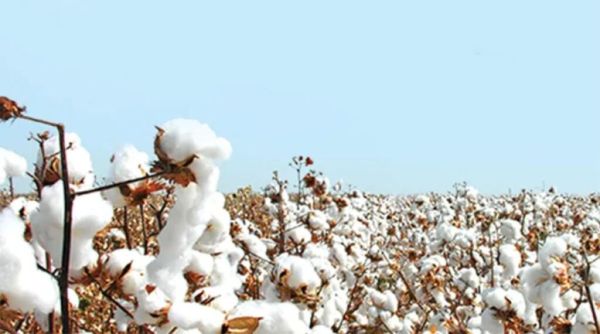
Cotton Crisis: Cotton cultivation, which was once considered the basis of economic strength of Indian farmers, is today becoming a loss-making deal due to many challenges. Reduction in cotton sowing in about 20 lakh hectares in the last few years is not just a figure, but an indication of a major change in the agricultural system.
India, which was once a major exporter of cotton, now seems to be dependent on imports in many cases. Its main reasons include technological backwardness, price instability and policy shortcomings, which have affected both the productivity and profitability of this crop. The country’s average cotton productivity still lags behind the global level, which further increases the concern of farmers.
Modern technology and better seeds
To improve this situation, the Central Government has recently approved the “Cotton Productivity Mission”, whose aim is to increase the per hectare production from 440 kg to 755 kg by the year 2031. Under this, there is a plan to take the total production to 498 lakh bales. This mission covers 140 districts of 14 states of the country, where emphasis will be laid on the use of modern technology and better seeds. There is also a plan to develop about 2000 processing units, which is expected to directly benefit about 32 lakh farmers.
Protecting crops from pests like bollworms
A major change in cotton productivity in India was seen after the introduction of Bt Cotton technology, which was commercially adopted in 2002. This technology initially evolved into Bollgard-I and later as Bollgard-II, which was intended to protect crops from pests such as bollworms. This also increased production in the initial years and cotton production reached its highest level around 2013-14. But over time the pests developed resistance against this technique, due to which its effectiveness started decreasing.
causes damage to internal parts
According to experts, a major reason for the decline in cotton production is the increasing outbreak of Pink Bollworm. This insect damages the inner part of cotton and the effect of normal pesticides on it is also limited. In many states, this pest has caused 30 to 90 percent crop damage, due to which farmers have started moving away from cotton cultivation.
work on effective pest control
Apart from this, lack of balance between old and new seeds, lack of continuous new technology and weak pest management system are also deepening this crisis. Agricultural experts believe that if new technology, better seeds and effective pest control are not implemented in time, it could have a long-term impact on India’s cotton economy.
Relying on past successes…
Overall, the current situation in cotton indicates that it is not possible to move forward by relying only on past successes, but requires continuous innovation and strong policy support.
-
Met Office gives major update as northern lights could be visible in just days

-
Missouri Running Back Ahmad Hardy Shot at Concert, Undergoes Surgery

-
Massive Blaze Erupts at HF Sinclair Refinery in Tulsa

-
Monitoring of Cruise Ship Passengers After Hantavirus Outbreak

-
Shooting Incident in Cambridge Leaves Multiple Injured