
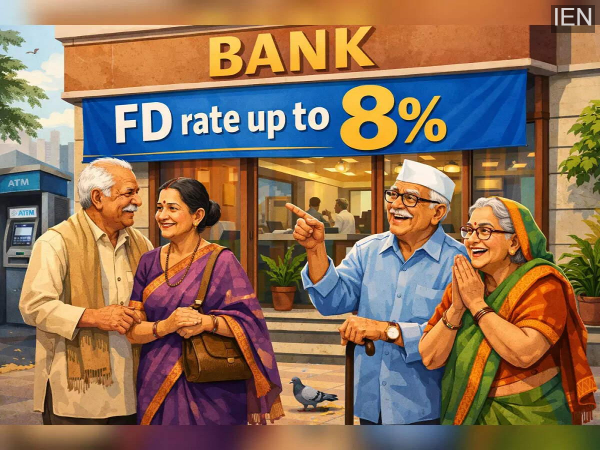
People planning to take a home loan, car loan, or personal loan in the coming months may soon face higher EMIs. However, the same situation could turn into a golden opportunity for investors looking to park money in Fixed Deposits (FDs) and Recurring Deposits (RDs). Due to slowing deposit growth and rising loan demand, banks are now expected to increase interest rates on deposits to attract more customers.
Indian Bank MD Vinod Kumar recently indicated that lending rates in the banking sector have likely touched their lower limit, and interest rates may move higher in the near future. The main reason behind this shift is the widening gap between deposit growth and loan demand.
Why Are Banks Likely to Raise FD Rates?Over the past few months, banks have witnessed strong growth in loans, while deposits from customers have not increased at the same pace. As a result, banks are facing pressure to arrange funds for lending activities.
To manage this situation, many banks are relying on expensive bulk deposits from large investors. At the same time, they continue offering loans at relatively lower rates, which affects their profit margins.
This is why banks may soon start increasing FD and RD interest rates for retail customers as well, encouraging people to deposit more money with them.
Loan EMIs Could Become CostlierFor borrowers, rising interest rates may lead to higher monthly EMIs. If banks increase lending rates, people planning to purchase homes, cars, or consumer goods on loans could end up paying more.
For example, even a small increase of 0.50% in home loan interest rates can raise EMIs significantly over a long repayment tenure. Financial experts believe borrowers may benefit from locking in loans at current rates before any major hike takes place.
Why This Is Good News for FD InvestorsHigher FD rates are usually considered excellent news for conservative investors who prefer stable and guaranteed returns over risky investments.
If deposit rates increase, investors could benefit through:
- Higher guaranteed returns on savings
- Safer investment compared to volatile markets
- Better retirement income opportunities
- Additional benefits for senior citizens
Many private banks and small finance banks are already offering FD rates between 7% and 8%. If large PSU banks also raise rates, depositors may see even more attractive options in the market.
Who Should Consider Investing Now?People looking for safe investment avenues may find the coming months favorable for locking money into FDs. This could especially benefit:
- Senior citizens
- Salaried employees
- Families saving for education or marriage
- Low-risk investors
Those planning long-term savings may get better returns if banks revise FD rates upward.
Important Things to Check Before InvestingWhile higher interest rates look attractive, investors should still compare multiple factors before choosing an FD:
- Bank credibility and financial strength
- Fixed vs floating interest structure
- Premature withdrawal charges
- Senior citizen additional interest benefits
- Tax implications and TDS rules
Experts suggest avoiding investment decisions based solely on high returns. Safety and liquidity are equally important.
What Could Happen Next?Analysts believe that if loan demand continues to grow faster than deposits, banks may gradually increase deposit rates further in the coming months. This would help attract more savings into the banking system.
In simple terms, the coming period may become more rewarding for savers, while borrowers could face slightly more expensive loans and EMIs.
-
Madhya Pradesh gets Rs 3,818cr package under PMGSY and PMAY-G schemes
-
Wrestling Federation of India Launches Senior Open Ranking Tournament 2026

-
One-Year-Old Boy Bites Cobra, Survives Incident in Bihar

-
Countryfile's Adam Henson forced to halt show as guest abruptly cuts off interview

-
Italian Open: Elena Rybakina powers past Eala to reach last 16