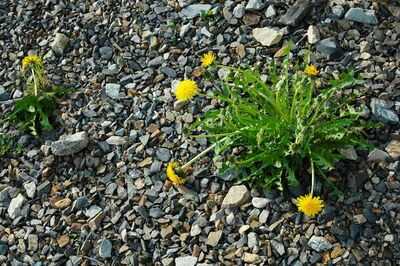
Few things are more infuriating for a gardener than weeds growing through a pristine gravelled path or patio area. Considerable time and money goes into perfecting these spaces, yet unwanted plants have a habit of appearing before long.
They can prove even trickier to remove than weeds sprouting between patio slabs, as a patio knife simply isn't up to the task. In a bid to know how to effectively eliminate and prevent weeds in gravel, I sought advice from two experts.
Connor Towning, lead horticulturist at Beards & Daisies, explained: "Most people treat the symptoms without understanding the cause. Weeds in gravel come from two places - seeds blowing in and settling on the surface, and roots pushing up from the soil below. How you deal with them depends on which problem you've got. If the same weeds keep coming back in the same spots, it's almost always a membrane issue underneath."
When it comes to removing weeds from gravel, Connor recommended hand-pulling as the most straightforward approach for smaller affected areas, though he stressed the importance of removing the roots entirely rather than simply removing the leaves.
Luke Newnes, gardening expert at Hillarys, echoed this advice, warning: "Simply pulling off the tops won't solve the problem, because they'll grow straight back. For stubborn weeds, a targeted weed killer can help, but it's worth following that up by improving the base underneath the gravel."
Connor added: "For larger areas or deep-rooted perennials like dandelions and docks, a glyphosate-based weed killer is the most effective option - it travels down into the root system rather than just killing what's visible above the gravel."
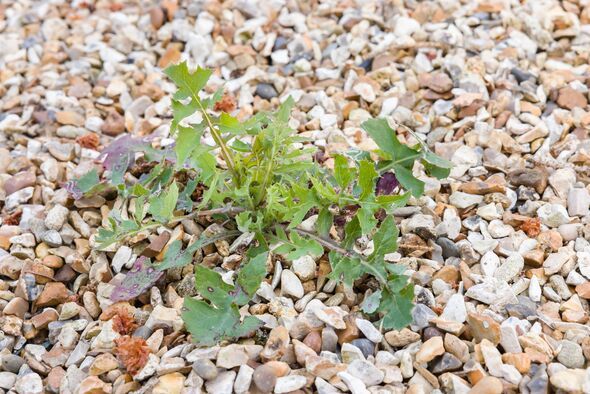
The most reliable way to prevent weeds from returning is to ensure a good-quality membrane sits beneath the gravel. Luke explained: "A lot of older paths either don't have one at all or have a very thin membrane that's broken down over time. Relaying gravel with a strong membrane and a decent depth of gravel makes a huge difference."
Connor agreed: "If you don't have a membrane in place, it's worth lifting the gravel, laying one properly and relaying it. It's a job, but it's the only long-term solution. On top of that, make sure your gravel is at least five centimetres deep. Shallow gravel lets light through to the surface below, which is all a weed seed needs to get going."
Once the existing weeds have been cleared and a high-quality membrane fitted, keeping on top of your gravelled area with regular maintenance is essential.
To achieve this, Connor recommends regularly raking the gravel to disturb weeds before they take hold. He said: "Keeping the gravel clean and moving is a simple habit that makes a real difference over time. The goal is to make the conditions as difficult as possible for them, not to eliminate weeding entirely."
Luke also warns that gardeners should clear leaves, soil and debris from gravel, as leaving them creates the perfect breeding ground for weeds to take hold.
For those with gravel driveways or heavily used areas, Luke recommends installing edging as a practical solution. He said: "Metal or stone edging helps stop gravel spreading and prevents soil from creeping back onto the surface, which is where weeds often start.
"There's no completely maintenancefree option, but if gravel paths are laid properly and looked after, weeds become an occasional nuisance rather than a constant battle."
-
Will the use of AI make human creativity obsolete? No, says a writer and professor in a new book

-
Investigation Underway After Multiple Shootings in Paterson, New Jersey

-
Nick Jonas calls his 'Jaan' Priyanka Chopra as the 'wind beneath his wings', pens heartfelt Mother's Day note

-
Judicial Inquiry Launched into Jabalpur Cruise Tragedy

-
Labour insider warns 'someone who can keep Farage out of No 10' has given Starmer notice