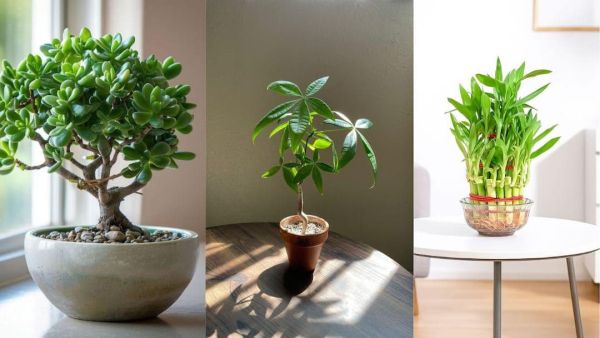
Dream of money flowing into your home like a gentle river? Feng Shui experts say certain plants can make it happen. These green wonders, called money plants, promise wealth and good luck. Just place them right, and watch prosperity grow. Curious which ones work best? This story reveals simple tips from ancient wisdom. Get ready to green up your life for riches.
Why Plants Bring Wealth
In feng shui, money plants are used to boost prosperity and wealth creation. If possible, place your money plants in the wealth corners of your home and workplace. Most of these money plants like light, so near the windows are the best places.
Top Feng Shui Money Plants
The Jade Plant (Crassula ovata)
The Jade Plant is one of the most famous Feng Shui plants for wealth and is often nicknamed the “money plant” or “money tree”. Its coin-like leaves are said to symbolically attract wealth. Place it on the southeast side of your home or on your desk.
2. Money tree (Pachira Aquatica)
The Money Tree is also known as Pachira Aquatica. This plant has a braided trunk that embodies stability and moves towards drawing steady income and business success. It works best when positioned in the southeast corner or on an office desk; its five leaves represent the elements' harmony.
3. Lucky Bamboo (Dracaena Sanderiana)
Lucky Bamboo (Dracaena Sanderiana) twisty stems boost career luck. Three or eight stalks symbolise happiness and wealth. Set in water or soil in the east or southeast; change liquid weekly for freshness and prosperity.
4. Golden Pothos / Devil’s Ivy
Golden Pothos, also known as Devil’s Ivy, is a popular indoor trailer with bright green or variegated leaves and a reputation for bringing prosperity. In Feng Shui it is linked with the “wood” element, which stands for growth, expansion and new beginnings which is perfect when you are looking to grow your income or start a new venture. It does well in low to medium light and can hang from a shelf or stand on a side table in the southeast or east area of your home or office.
5. Snake Plant And Other Strong Greens
Snake Plant (Sansevieria) is valued in Feng Shui for its tall, upright leaves that symbolise strength, protection and steady growth. It also purifies the air and needs very little water, making it a good money‑energy plant for busy people who forget to tend houseplants often. Placing it in the southeast corner or near your study area can help create a calm, focused atmosphere that supports financial planning and decision‑making.
Care For Prosperity
Make sure you keep it in a bright, indirect light with moderate watering to sustain its prosperous aura. Succulent nature thrives in sunlight with sparse watering, amplifying financial opportunities. Regular misting keeps its golden leaves vibrant for sustained good fortune.
Money plants must be kept in the southeast direction of the house. This is because this is the direction associated with abundance, stability, and wealth. According to Vastu, in order to reap the financial benefits of all money plant types, your money plant must be kept inside, and its vines should not touch the ground. Your money plant also should not be allowed to dry out and any dry leaves should be removed.
Known as the “money plant” in Feng Shui, jade plant has round, coin-shaped leaves that symbolise financial growth and good fortune. This is a popular money plant, because it is easy to grow. It’s also said to absorb negative energy and attract abundance
-
Work From Home: If you are working from home, then setup your workstation in these ways, productivity will double.

-
Opposition raised questions on Prime Minister Modi’s appeal, Sharad Pawar demanded to call an all-party meeting, said – discussion on future policies is necessary

-
Ayurvedic Upay for Stress: This ancient knowledge of Patanjali can provide relief in corporate stress and hectic life.

-
Does your child also remain engrossed in his mobile for hours? Be careful! This small habit is making him mentally ill

-
Golden Child Syndrome: Parents’ mistakes can cost the child dearly! You are not making this mistake?