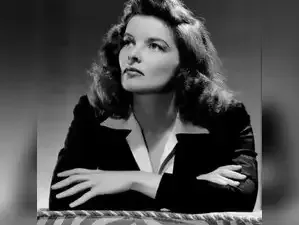
Quote of the Day: A meaningful Quote of the Day often stays relevant long after it was first spoken because it reflects truths that people continue to experience across generations. Few Hollywood figures embodied resilience, independence and determination as strongly as Katharine Hepburn. Known for her fierce individuality and refusal to conform to traditional expectations, Hepburn built a career that challenged the image of the conventional leading lady in American cinema. Her words about survival and inner toughness continue to resonate because they come from a woman who endured public criticism, professional setbacks and personal heartbreak while remaining unapologetically herself.
Quotes about perseverance remain important because they remind people that difficulty is not unusual or shameful. Life inevitably brings disappointment, loss and uncertainty, but powerful words can offer perspective during those moments. Hepburn’s reflections stand out because they do not romanticize struggle. Instead, they acknowledge life’s harsh realities while encouraging people to keep moving forward with courage, discipline and emotional resilience.
The Quote of the Day today by Katharine Hepburn is:
“The thing about life is that you must survive. Life is going to be difficult, and dreadful things will happen. What you do is move along, get on with it, and be tough. Not in the sense of being mean to others, but being tough with yourself and making a deadly effort not to be defeated.”
The quote reflects Hepburn’s lifelong belief in endurance and personal responsibility. Rather than focusing on self-pity or defeat, her words encourage people to face adversity with determination and emotional strength. The message mirrors her own remarkable life and career, both of which were defined by persistence in the face of criticism and challenge.
Katharine Hepburn was born as Katharine Houghton Hepburn on May 12, 1907, in Hartford, Connecticut, in the United States. She grew up in an intellectually active and socially progressive household. Her father was a respected surgeon in Connecticut, while her mother was deeply involved in the women’s suffrage movement. From an early age, Hepburn was encouraged to think independently, remain physically active and speak honestly without fear, as per information taken from Britannica.
These values would later shape both her public personality and her acting career. Unlike many actresses of her era, Hepburn refused to fit into Hollywood’s glamorous and carefully controlled image of femininity. Her confidence, sharp wit and unconventional style eventually became defining characteristics of her screen presence.
After graduating from Bryn Mawr College in 1928, Hepburn began seriously pursuing acting. She made her Broadway debut that same year in Night Hostess, initially performing under the name Katharine Burns. Her breakthrough came with the Broadway comedy The Warrior’s Husband in 1932, where her energetic and athletic performance attracted widespread attention. Soon afterward, she was invited to Hollywood by RKO Radio Pictures.
From the beginning, Hepburn stood apart from other actresses of her generation. She possessed a brisk New England accent, a tomboyish beauty and a personality that many found both fascinating and intimidating. Admirers praised her intelligence and confidence, while critics sometimes viewed her as stubborn or eccentric.
Her film debut came in George Cukor’s A Bill of Divorcement (1932), where she starred alongside John Barrymore. She quickly gained recognition for her performances in films such as Christopher Strong (1933) and Morning Glory (1933). Her role in Morning Glory earned her the Academy Award for Best Actress, establishing her as one of Hollywood’s rising stars.
Despite her success, Hepburn’s outspoken nature often placed her at odds with Hollywood expectations. She refused to give carefully scripted interviews, frequently wore casual clothes in public and openly challenged colleagues if she felt they were not taking their work seriously. At a time when actresses were expected to maintain an image of elegance and obedience, Hepburn’s independence made her highly unusual.
Though audiences embraced performances in films like Little Women (1933) and Alice Adams (1935), several later productions performed poorly at the box office. By the late 1930s, some film exhibitors notoriously labeled her “box office poison,” suggesting that audiences no longer wished to see her films, as per information taken from Britannica.
Many careers would have collapsed after such criticism, but Hepburn refused to accept defeat. Her resilience became one of the defining features of her professional life.
In 1938 she accepted a role written specifically for her in Philip Barry’s Broadway play The Philadelphia Story. The production became a major success, and Hepburn wisely purchased the motion picture rights herself. When the film adaptation was released in 1940, starring Hepburn alongside Cary Grant and James Stewart, it became both a critical and commercial triumph.
The success of The Philadelphia Story revived Hepburn’s Hollywood career and transformed her public image. What had once been criticized as arrogance was increasingly viewed as strength and originality. She went on to deliver acclaimed performances in films such as The African Queen (1951), opposite Humphrey Bogart, and Summertime (1955).
Her ability to portray intelligent, emotionally layered and independent women changed expectations for female characters in cinema. Hepburn introduced a strength of character that had rarely been seen in leading actresses before her rise to fame, as per information taken from Britannica.
One of the most significant chapters of Hepburn’s personal life was her long relationship with Spencer Tracy. The two met while filming Woman of the Year in 1942 and formed a close partnership that lasted until Tracy’s death in 1967.
Together they appeared in several memorable films, including Adam’s Rib (1949) and Pat and Mike (1952). Their on-screen chemistry became legendary, blending wit, emotional depth and natural warmth.
Although Tracy remained married due to his Roman Catholic beliefs, Hepburn and Tracy maintained a deeply devoted relationship for decades. During the final years of his life, Hepburn largely stepped away from her own career to care for him through serious illness. Tracy died shortly after completing Guess Who’s Coming to Dinner (1967), a film that would later earn Hepburn another Academy Award.
As Hepburn grew older, her reputation only became stronger. She delivered award-winning performances in Guess Who’s Coming to Dinner (1967), The Lion in Winter (1968) and On Golden Pond (1981). Her four Academy Awards for Best Actress established a historic record, making her one of the most celebrated performers in film history. She also received numerous television honors, including an Emmy Award for Love Among the Ruins (1975).
Even as illness affected her later years, Hepburn continued acting into the 1990s. Her final film appearance came in Love Affair (1994). Beyond acting, she also wrote memoirs, including Me: Stories of My Life (1991), offering readers insight into her career and fiercely independent personality.
In 1999, the American Film Institute named Hepburn the greatest female American screen legend of all time. The recognition reflected not only her extraordinary talent but also the lasting influence she had on generations of actresses who followed her.
The meaning behind Katharine Hepburn’s Quote of the Day lies in its honest understanding of hardship. Rather than pretending that life will always be fair or easy, the quote accepts that painful experiences are unavoidable. According to Hepburn, survival depends not on avoiding difficulty but on developing the strength to continue despite it.
Her words encourage emotional resilience rather than bitterness. When she speaks about being “tough,” she does not mean becoming cruel or insensitive toward others. Instead, she refers to inner discipline, self-control and the determination to keep moving forward even after disappointment or loss.
The quote also reflects Hepburn’s own life story. She experienced professional rejection, public criticism and personal grief, yet she consistently rebuilt herself and continued working. Her message suggests that resilience is not something people are simply born with. It is developed through experience, persistence and the refusal to surrender to despair.
For many people, the quote remains powerful because it acknowledges suffering without allowing suffering to define a person’s entire identity. It is ultimately a statement about endurance, courage and self-belief.
Beyond the Quote of the Day, Katharine Hepburn left behind several memorable observations about life, individuality and human relationships:
“If you obey all the rules, you miss all the fun.”
“Love has nothing to do with what you are expecting to get, only with what you are expecting to give.”
“What you see before you, my friend, is the result of a lifetime of chocolate.”
"Life can be wildly tragic at times, and I've had my share. But whatever happens to you, you have to keep a slightly comic attitude. In the final analysis, you have got not to forget to laugh.”
“Never complain. Never explain.”
“If you need a helping hand, you can find one at the end of your arm.”
“If you want to change attitudes, start with a change in behavior."
These quotes reflect the wit, intelligence and sharp independence that defined Hepburn throughout her life and career.
As a Quote of the Day, Katharine Hepburn’s words about survival continue to resonate because they speak directly to the realities of human struggle. Her message is neither sentimental nor overly optimistic. Instead, it offers something more enduring: the belief that people can endure hardship without losing themselves. More than two decades after her death, Hepburn remains a symbol of resilience, honesty and personal strength, and her words continue to inspire those learning how to move forward through life’s inevitable challenges.
Quotes about perseverance remain important because they remind people that difficulty is not unusual or shameful. Life inevitably brings disappointment, loss and uncertainty, but powerful words can offer perspective during those moments. Hepburn’s reflections stand out because they do not romanticize struggle. Instead, they acknowledge life’s harsh realities while encouraging people to keep moving forward with courage, discipline and emotional resilience.
Quote of the Day Today May 11
The Quote of the Day today by Katharine Hepburn is:
“The thing about life is that you must survive. Life is going to be difficult, and dreadful things will happen. What you do is move along, get on with it, and be tough. Not in the sense of being mean to others, but being tough with yourself and making a deadly effort not to be defeated.”
The quote reflects Hepburn’s lifelong belief in endurance and personal responsibility. Rather than focusing on self-pity or defeat, her words encourage people to face adversity with determination and emotional strength. The message mirrors her own remarkable life and career, both of which were defined by persistence in the face of criticism and challenge.
Early Life of Katharine Hepburn
Katharine Hepburn was born as Katharine Houghton Hepburn on May 12, 1907, in Hartford, Connecticut, in the United States. She grew up in an intellectually active and socially progressive household. Her father was a respected surgeon in Connecticut, while her mother was deeply involved in the women’s suffrage movement. From an early age, Hepburn was encouraged to think independently, remain physically active and speak honestly without fear, as per information taken from Britannica.
These values would later shape both her public personality and her acting career. Unlike many actresses of her era, Hepburn refused to fit into Hollywood’s glamorous and carefully controlled image of femininity. Her confidence, sharp wit and unconventional style eventually became defining characteristics of her screen presence.
After graduating from Bryn Mawr College in 1928, Hepburn began seriously pursuing acting. She made her Broadway debut that same year in Night Hostess, initially performing under the name Katharine Burns. Her breakthrough came with the Broadway comedy The Warrior’s Husband in 1932, where her energetic and athletic performance attracted widespread attention. Soon afterward, she was invited to Hollywood by RKO Radio Pictures.
An Unconventional Hollywood Star
From the beginning, Hepburn stood apart from other actresses of her generation. She possessed a brisk New England accent, a tomboyish beauty and a personality that many found both fascinating and intimidating. Admirers praised her intelligence and confidence, while critics sometimes viewed her as stubborn or eccentric.
Her film debut came in George Cukor’s A Bill of Divorcement (1932), where she starred alongside John Barrymore. She quickly gained recognition for her performances in films such as Christopher Strong (1933) and Morning Glory (1933). Her role in Morning Glory earned her the Academy Award for Best Actress, establishing her as one of Hollywood’s rising stars.
Despite her success, Hepburn’s outspoken nature often placed her at odds with Hollywood expectations. She refused to give carefully scripted interviews, frequently wore casual clothes in public and openly challenged colleagues if she felt they were not taking their work seriously. At a time when actresses were expected to maintain an image of elegance and obedience, Hepburn’s independence made her highly unusual.
Though audiences embraced performances in films like Little Women (1933) and Alice Adams (1935), several later productions performed poorly at the box office. By the late 1930s, some film exhibitors notoriously labeled her “box office poison,” suggesting that audiences no longer wished to see her films, as per information taken from Britannica.
Comeback and Career Revival
Many careers would have collapsed after such criticism, but Hepburn refused to accept defeat. Her resilience became one of the defining features of her professional life.
In 1938 she accepted a role written specifically for her in Philip Barry’s Broadway play The Philadelphia Story. The production became a major success, and Hepburn wisely purchased the motion picture rights herself. When the film adaptation was released in 1940, starring Hepburn alongside Cary Grant and James Stewart, it became both a critical and commercial triumph.
The success of The Philadelphia Story revived Hepburn’s Hollywood career and transformed her public image. What had once been criticized as arrogance was increasingly viewed as strength and originality. She went on to deliver acclaimed performances in films such as The African Queen (1951), opposite Humphrey Bogart, and Summertime (1955).
Her ability to portray intelligent, emotionally layered and independent women changed expectations for female characters in cinema. Hepburn introduced a strength of character that had rarely been seen in leading actresses before her rise to fame, as per information taken from Britannica.
Relationship With Spencer Tracy
One of the most significant chapters of Hepburn’s personal life was her long relationship with Spencer Tracy. The two met while filming Woman of the Year in 1942 and formed a close partnership that lasted until Tracy’s death in 1967.
Together they appeared in several memorable films, including Adam’s Rib (1949) and Pat and Mike (1952). Their on-screen chemistry became legendary, blending wit, emotional depth and natural warmth.
Although Tracy remained married due to his Roman Catholic beliefs, Hepburn and Tracy maintained a deeply devoted relationship for decades. During the final years of his life, Hepburn largely stepped away from her own career to care for him through serious illness. Tracy died shortly after completing Guess Who’s Coming to Dinner (1967), a film that would later earn Hepburn another Academy Award.
Later Years and Historic Achievements
As Hepburn grew older, her reputation only became stronger. She delivered award-winning performances in Guess Who’s Coming to Dinner (1967), The Lion in Winter (1968) and On Golden Pond (1981). Her four Academy Awards for Best Actress established a historic record, making her one of the most celebrated performers in film history. She also received numerous television honors, including an Emmy Award for Love Among the Ruins (1975).
Even as illness affected her later years, Hepburn continued acting into the 1990s. Her final film appearance came in Love Affair (1994). Beyond acting, she also wrote memoirs, including Me: Stories of My Life (1991), offering readers insight into her career and fiercely independent personality.
In 1999, the American Film Institute named Hepburn the greatest female American screen legend of all time. The recognition reflected not only her extraordinary talent but also the lasting influence she had on generations of actresses who followed her.
Quote of the Day Meaning
The meaning behind Katharine Hepburn’s Quote of the Day lies in its honest understanding of hardship. Rather than pretending that life will always be fair or easy, the quote accepts that painful experiences are unavoidable. According to Hepburn, survival depends not on avoiding difficulty but on developing the strength to continue despite it.
Her words encourage emotional resilience rather than bitterness. When she speaks about being “tough,” she does not mean becoming cruel or insensitive toward others. Instead, she refers to inner discipline, self-control and the determination to keep moving forward even after disappointment or loss.
The quote also reflects Hepburn’s own life story. She experienced professional rejection, public criticism and personal grief, yet she consistently rebuilt herself and continued working. Her message suggests that resilience is not something people are simply born with. It is developed through experience, persistence and the refusal to surrender to despair.
For many people, the quote remains powerful because it acknowledges suffering without allowing suffering to define a person’s entire identity. It is ultimately a statement about endurance, courage and self-belief.
Iconic Quotes by Katharine Hepburn
Beyond the Quote of the Day, Katharine Hepburn left behind several memorable observations about life, individuality and human relationships:
“If you obey all the rules, you miss all the fun.”
“Love has nothing to do with what you are expecting to get, only with what you are expecting to give.”
“What you see before you, my friend, is the result of a lifetime of chocolate.”
"Life can be wildly tragic at times, and I've had my share. But whatever happens to you, you have to keep a slightly comic attitude. In the final analysis, you have got not to forget to laugh.”
“Never complain. Never explain.”
“If you need a helping hand, you can find one at the end of your arm.”
“If you want to change attitudes, start with a change in behavior."
These quotes reflect the wit, intelligence and sharp independence that defined Hepburn throughout her life and career.
As a Quote of the Day, Katharine Hepburn’s words about survival continue to resonate because they speak directly to the realities of human struggle. Her message is neither sentimental nor overly optimistic. Instead, it offers something more enduring: the belief that people can endure hardship without losing themselves. More than two decades after her death, Hepburn remains a symbol of resilience, honesty and personal strength, and her words continue to inspire those learning how to move forward through life’s inevitable challenges.