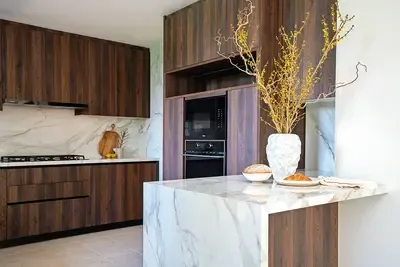
Kitchens are one of the most renovated spaces in Dubai, with upgrades ranging from simple fixes to luxury redesigns.
Homeowners are turning to kitchen renovations not only because they enhance everyday life and comfort, but also for their long-term value. It is no secret that a well-executed kitchen renovation can increase property value by an estimated 10–15 per cent, making it a compelling investment for resale or rental.
The integration of smart technologies and premium finishes has caught on in the UAE over the last few years. However, traditional renovations can generate a lot of waste and rely on materials that harm the environment. That’s why carbon-conscious kitchens are gaining attention, focusing on sustainable materials and healthier choices.
A carbon-conscious kitchen renovation? Sounds frightfully expensive, doesn’t it?
Dubai-based Building Biologist Valentina Cereda, who has spent over a decade specializing in design for health, says it is a myth: “Cheap renovations are often more expensive in the long run. If you plan your budget upfront, you can decide where and how to invest. Instead of buying a very expensive Italian cabinet or designer bag, you can channel that money into a healthier, carbon-neutral kitchen. It’s always about choice.”

Valentina Cereda, Health & Wellbeing Architect and Founder of Energy & Space.
For Cereda, sustainability is no longer just about energy efficiency, it’s also about low embodied carbon and using healthy, non-toxic materials. It’s about rethinking how our homes function as ecosystems: how they breathe, how they’re built, and how they support the physical and emotional well-being of the people living in them. With rising energy costs and the increasing cost of living, this approach has become essential for future-proofing a home. It saves money over time by reducing maintenance, extending the lifespan of materials, lowering utility costs, and enhancing resale value.
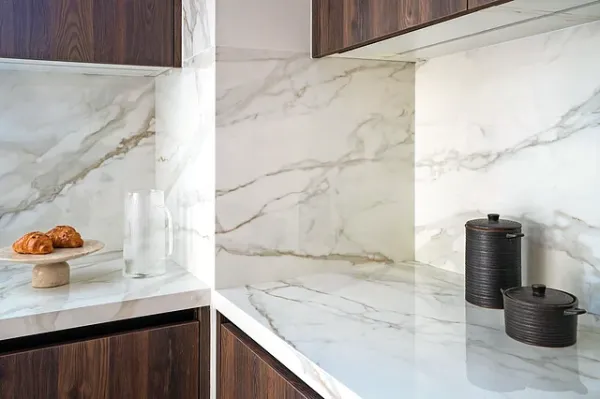
However, a common misconception is that a carbon-conscious design limits creativity. This is the second myth Cereda busts. “Conscious design doesn’t mean bland minimalism,” she explains.
“You can still create luxurious, visually striking spaces, but with integrity, choosing materials and finishes that are healthy, sustainable, and long-lasting. Sustainability and style are not mutually exclusive.”
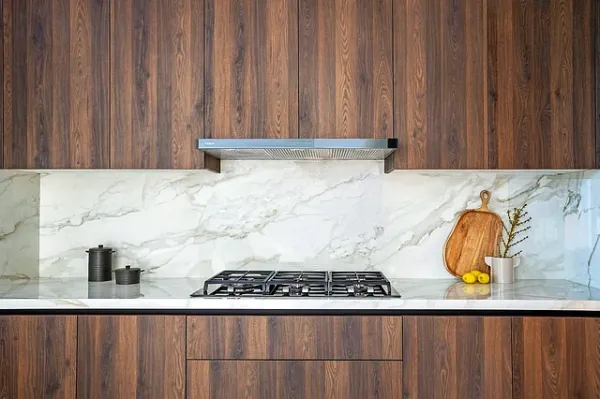
Designing for longevity
Creating spaces that endure starts with choosing the right materials. Cereda advises selecting low-tox, healthy options and avoiding synthetic finishes that degrade over time. While natural marble has long been a symbol of luxury, she cautions that it may not be ideal for kitchen countertops or flooring, as it stains easily and requires annual polishing with toxic solvents.
Material choices also play a key role in reducing embodied carbon and maintaining healthy indoor air quality. Cereda recommends engineered, carbon-neutral surfaces such as Dekton by Cosentino for countertops, flooring, and wall cladding.
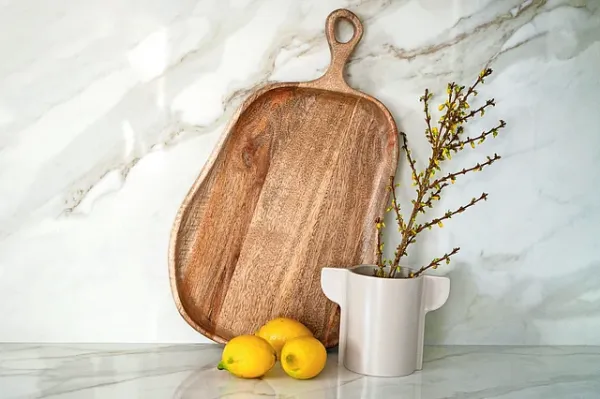
“Surfaces like Dekton are engineered for durability, heat resistance, and long life-cycle performance,” she explains. “From a building biology and home health perspective, this is the best choice. Its zero porosity supports hygiene, and the ingredients are among the healthiest available on the market. Many people don’t realise how many chemicals standard kitchen countertops contain, introducing toxins into the home. Dekton uses mostly natural ingredients with very few additives, and polished slabs are even healthier, as they contain no enamel or red-listed chemicals.”
For appliances, Cereda highlights energy-efficient options such as Teka induction stoves, which reduce energy consumption while helping to keep the indoor air free of environmental pollutants.
A mind set shift
Perhaps the most important element of creating a low-carbon home is psychological. Cereda emphasises that shifting how we think about our homes - from status symbols to sanctuaries — encourages more conscious choices. This means resisting trends and focusing instead on health-conscious, regenerative materials and designs, which add real value both financially and for the well-being of occupants by reducing indoor pollutants and creating spaces that truly stand the test of time.
A low-carbon kitchen revamp isn’t about perfection or burning a hole in your pocket. It is about making smarter, longer-lasting decisions. Retaining and repairing what already works, and choosing durable, low-toxicity, responsibly sourced materials, allows small decisions to accumulate into meaningful impact.
“Ultimately, it is not only about creating a beautiful home,” Cereda says, “but also about understanding our impact on the health of the Earth and of people, and the legacy we leave for our children.”
The essential carbon-conscious renovation checklist
Simple swaps that are better for your home and the planet
1. Retain what you can: Keep existing structures, cabinetry, flooring, and fittings wherever possible to reduce landfill waste and embodied carbon.
2. Refurbish instead of replace: Rather than installing entirely new cabinets, consider replacing doors only
3. Avoid plastic wrapping or vinyl finishes: These are petrochemical-based, difficult to recycle, and can release harmful compounds over time.
4. Avoid plastic-based cabinet materials: Steer clear of melamine and other plastic-laminated boards. They’re inexpensive, but they’re made
from petrochemicals and are harder
to recycle.
5. Switch to induction cooking: Gas cooktops release indoor air pollutants and contribute to carbon emissions. Induction cooktops are not only more energy efficient, but they also improve indoor air quality
6. Choose durable: Select long-lasting, responsibly produced options, such as carbon-neutral surfaces like Dekton and FSC-certified wood, which ensures sustainable forest management.
7. Use mineral or natural paints: Avoid acrylic and petrochemical-based paints where possible.
8. Improve ventilation: Good extraction systems reduce indoor pollutants from cooking, cleaning, and building materials. Prioritise effective range hoods
9. Rethink cookware: Avoid non-stick pans that may release chemicals when overheated. Safer, longer-lasting options include stainless steel, cast iron and 100% ceramic cookware
10. Measure your impact: Compare energy bills, request EPD (Environmental Product Declaration) data from manufacturers, and monitor indoor air quality before and after your renovation.
Discover more about Dekton athttps://www.cosentino.com/.
-
Owner of street food vendor in China temporarily closes shop to donate stem cells to sick toddler

-
London to bring beatles magic back to life

-
Now make crunchy-creamy chocobar ice cream like the market at home, children will be happy…

-
3 Zodiac Signs Enter A More Fortunate Era Starting On May 12, 2026

-
Why tourist price gouging rears its head every peak season