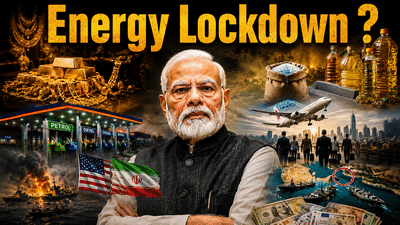
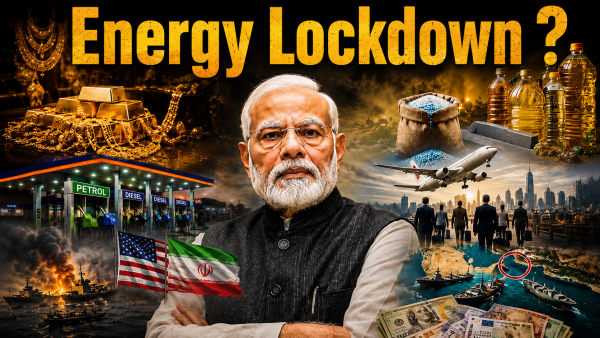
The appeals have sparked intense debate on social media, where many users are calling it an “Energy Lockdown” similar to the voluntary restrictions seen during the COVID-19 period.
PM Modi’s Key Appeals to Citizens
1. Avoid Buying Gold for One Year
The Prime Minister urged families to avoid purchasing gold jewellery, even during weddings or celebrations, in order to reduce unnecessary imports.
2. Reduce Petrol and Diesel Consumption
Citizens were encouraged to:
- Use metro and public transport more often
- Opt for carpooling
- Prefer railways for transporting goods
3. Work From Home Wherever Possible
Companies were advised to prioritise:
- Online meetings
- Virtual conferences
- Hybrid or remote work models
4. Cut Cooking Oil Consumption by 10%
People were asked to reduce edible oil usage as India imports a significant portion of its cooking oil requirements.
5. Reduce Chemical Fertiliser Usage
Farmers were encouraged to shift toward natural farming and cut dependency on imported fertilisers.
6. Postpone Foreign Travel
Citizens were advised to delay:
- Destination weddings
- International vacations
- Non-essential foreign trips
7. Promote Swadeshi Products
The Prime Minister once again pushed the “Made in India” and “Vocal for Local” campaigns to strengthen domestic industries.
What Is the Real Reason Behind These Appeals?
The primary concern is the escalating geopolitical tension in West Asia, especially the ongoing US-Iran conflict and disruptions near the Strait of Hormuz — one of the world’s most critical oil shipping routes.
Nearly 20% of global oil trade passes through this route. India imports around 70% of its crude oil requirements, and almost half of that arrives via the Hormuz corridor.
Crude Oil Prices Have Surged Sharply
Crude oil prices reportedly jumped from around $72.87 per barrel in late February to nearly $103.78 per barrel by May 11 — an increase of almost 50%.
Despite the global surge, India has not yet significantly increased petrol and diesel prices domestically, leading to massive daily losses for oil marketing companies. Estimates suggest the country’s crude oil import bill could touch ?17 lakh crore.
Why Gold Imports Are Also a Concern
India imports nearly 99% of its gold demand. Rising international prices have significantly increased pressure on foreign exchange reserves.
Gold prices reportedly doubled from around $76,000 per kilogram to nearly $1.52 lakh per kilogram. Due to the steep rise, gold imports have already slowed sharply in recent months.
The government fears that continued large-scale imports of gold, crude oil, edible oil, and fertilisers could severely strain India’s foreign currency reserves.
Together, these four categories accounted for over 31% of India’s total imports in FY26.
Is India Really Facing an ‘Energy Lockdown’?
There is no official “Energy Lockdown” announced by the government.
The phrase is largely being used by social media users to describe the Prime Minister’s voluntary austerity-style appeals aimed at:
- Saving foreign exchange reserves
- Stabilising the rupee
- Controlling inflation
- Reducing the import burden
Experts believe that even small lifestyle changes by citizens could help India navigate a potential global economic and energy crisis more effectively.
Public Reaction: “Why Should Only Citizens Sacrifice?”
While many citizens supported the appeals with patriotic slogans like “Jai Hind, Jai Bharat,” a large section of the public also questioned why austerity measures should apply only to ordinary people.
1. Cut VIP Spending First
Many users argued that if common citizens are being asked to use buses and trains, ministers and bureaucrats should also reduce large VIP convoys and use public transport.
2. Crack Down on Black Money Stored as Gold
People pointed out that wealthy individuals, corrupt officials, and politicians allegedly hold huge quantities of gold purchased through black money. Citizens demanded stricter action against hidden gold reserves instead of limiting middle-class purchases.
3. Bring Back ‘Nepo Kids’ Studying Abroad
Another criticism focused on children of politicians and bureaucrats studying overseas while ordinary citizens are being urged to avoid foreign travel. Critics demanded that influential families lead by example and support Indian educational institutions.
4. Stop ‘Freebie Culture’
Many citizens questioned welfare and free-distribution schemes, arguing that during a financial or energy crisis, government funds should prioritise infrastructure and economic stability instead of politically motivated giveaways.
-
Latest Updates on Government Job Opportunities in India

-
HC restores '4PM News' YouTube channel blocked by Centre citing 'national security'
-
DC vs PBKS, IPL 2026 Match Highlights: David Miller Powers Delhi Capitals to Record Chase Against Punjab Kings in Dharamsala

-
IPL 2026 Playoffs Race: RCB Lead the Pack While PBKS Lose Their Way; DC Barely Hanging on

-
How India's Ancient Contributions to Mathematics Shape Today's Digital World