
CTET 2026 Registration, CTET SEPT 2026: CTET 2026 is considered to be of immense significance for the millions of young aspirants across the country preparing to become teachers, as well as for those teachers who are already teaching in schools. The Central Board of Secondary Education (CBSE) has initiated the application process for the Central Teacher Eligibility Test (CTET), scheduled to be held in September 2026. However, this time, the examination is making headlines not merely due to the application process and dates, but because two major changes introduced in the exam—coupled with a recent Supreme Court verdict—have heightened the anxiety of millions of people. On one hand, candidates will no longer be able to select their preferred examination city; on the other, a decision has been taken to conduct the CTET in 27 languages instead of the previous 20. Meanwhile, the most pressing issue concerns the job security of those teachers who have been teaching in schools for years but have not yet managed to qualify for the TET. Following the Supreme Court's ruling, the jobs of such teachers now hang in the balance.
Application Process for CTET 2026 Begins
CBSE has commenced the online application process for the 22nd edition of the CTET. Candidates can apply by visiting the official website, ctet.nic.in. The application process began on May 11, 2026, and the deadline for submitting applications has been set for 11:59 PM on June 10, 2026. The Board has explicitly clarified that applications will be accepted exclusively through the online mode. The deadline for fee submission has also been fixed as June 10. In the event that a candidate makes an error in their application form, a correction window will remain open from June 15 to June 18 to allow for necessary amendments. No corrections of any kind will be accepted thereafter. According to CBSE, the CTET examination is scheduled to be held on September 6, 2026; however, should the number of candidates be exceptionally high, the examination may also be conducted on September 5. The examination will be conducted across 132 examination centers located throughout the country.
The Biggest Change in CTET This Time
The most significant change introduced in CTET 2026 has heightened the anxiety of candidates. Applicants will no longer be able to select their preferred examination city. Previously, students had the option to choose their exam city while applying; however, the CBSE has now discontinued this facility. Examination centers and cities will now be allocated by the Board on a random basis—meaning candidates must appear for the exam in whichever city they are assigned a center. The Board has also clarified that no requests whatsoever for changing the allotted examination city will be entertained. Following this decision, many students fear they may have to travel considerable distances—potentially far from their home states or districts—to take the exam. This decision could prove particularly burdensome for candidates from rural areas, as they may incur additional expenses related to travel and accommodation.
CTET Exam to Now be Conducted in 27 Languages
The second major change introduced in CTET 2026 concerns the languages offered. The examination will now be conducted in 27 languages instead of the previous 20; this means that 7 new languages have been added to the exam this time around.
The previously available languages included English, Hindi, Assamese, Bengali, Garo, Gujarati, Kannada, Khasi, Malayalam, Manipuri, Marathi, Mizo, Nepali, Odia, Punjabi, Sanskrit, Tamil, Telugu, Tibetan, and Urdu. New languages—such as Bodo, Dogri, Kashmiri, Konkani, Maithili, Santhali, and Sindhi—have now been added to this list. The expansion in the number of languages will benefit candidates hailing from diverse states and communities across the country. Consequently, many candidates who previously faced linguistic barriers will now be able to take the examination in their own mother tongue.
Why Has the Anxiety Among Teachers Increased?
The most widely discussed topic regarding CTET 2026 centers on those teachers who have been teaching in schools for years but have not yet managed to qualify for the TET examination. Following a Supreme Court verdict, the jobs of such teachers are now hanging in the balance. In several states across the country—including Uttar Pradesh, Jharkhand, Madhya Pradesh, and Rajasthan—thousands of teachers have been teaching in government and government-aided schools for a long time without having passed the Teacher Eligibility Test (TET). It has now been made mandatory for them to pass the TET by September 2027. If they fail to clear the examination within the stipulated deadline, they may be forced to resign or face compulsory retirement. This is precisely why the CTET 2026 has become, for millions of teachers, not merely an examination, but a last hope for saving their jobs.
**Thousands of Teachers Stage Protests**
In the wake of the Supreme Court's ruling, affected teachers across the country have been staging continuous protests. They argue that it is unjust for their jobs to suddenly come under threat after they have spent years teaching. The teachers are demanding that those appointed before August 23, 2010—the date on which the Right to Education Act came into force—be granted a complete exemption from the mandatory requirement of passing the TET. Furthermore, teacher associations are demanding that the order to dismiss teachers who fail to pass the TET by September 1, 2027, be revoked. They contend that many of these teachers have been teaching successfully for years and have consistently delivered excellent results for their students.
**Eligibility Crisis Looms for Many Teachers**
The situation is further compounded by the fact that many teachers do not even possess the minimum eligibility criteria required to appear for the CTET. Thousands of such teachers have not completed their graduation, whereas a minimum level of academic qualification is a prerequisite for the CTET. Consequently, they face a dual challenge: on one hand, passing the TET is essential to save their jobs; on the other, fulfilling the eligibility requirements to even sit for the examination is proving to be a formidable task.
Disclaimer: This content has been sourced and edited from News18 Hindi. While we have made modifications for clarity and presentation, the original content belongs to its respective authors and website. We do not claim ownership of the content.
-
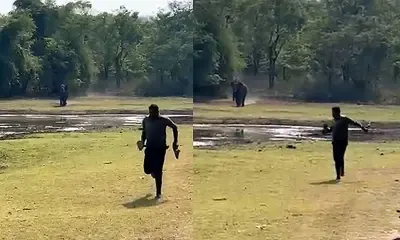
Wild elephant scare returns in Malnad region, chased villagers
-
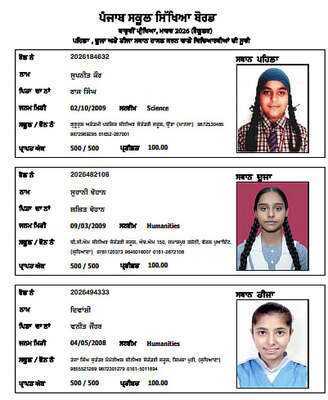
Punjab Board PSEB Class 12th Result 2026 Announced

-
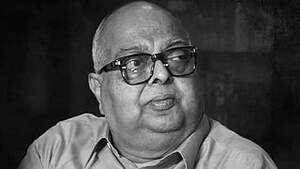
Former Mohun Bagan president 'Tutu' Bose dies at 79 after cardiac arrest
-
Vat Savitri Vrat 2026: Observing the Vat Savitri Vrat for the first time? These tips are absolutely essential for new brides..

-
PSEB Class 12 Toppers 2026 OUT: Suhani & Divanshi Tops Humanities, Supneet Kaur Scores 100% In Science; Check Full List Here