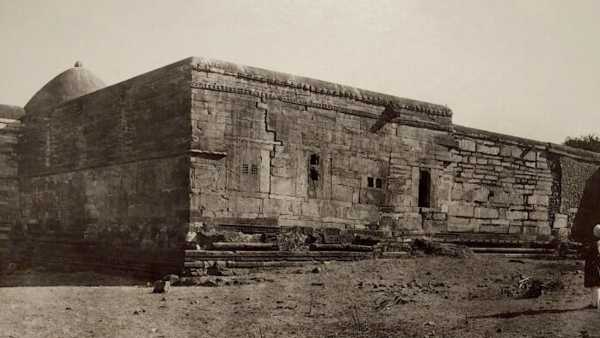
New Delhi: The All India Muslim Personal Law Board (AIMPLB) has opposed the Madhya Pradesh High Court’s verdict in the Bhojshala–Kamal Maula Mosque case, which recognised the disputed complex as a Saraswati temple.
The Board argued that the ruling is contrary to historical records, archaeological findings, official documents, and the earlier position taken by the Archaeological Survey of India (ASI). It also announced that the Kamal Maula Mosque Committee will move the Supreme Court against the judgment, with the AIMPLB pledging full legal and organisational support for the challenge.
The Madhya Pradesh High Court ruling recognising the disputed Bhojshala-Kamal Maula site in Dhar as a Hindu temple has reignited discussions over religious property disputes in India. The judgment has also led to comparisons with the Supreme Court’s Ayodhya verdict, as legal observers and community representatives assess its possible impact on both Hindu and Muslim communities.
AIMPLB spokesperson’s statement
The Board’s spokesperson, Dr. S.Q.R. Ilyas, stated that the High Court judgment has been delivered in disregard of historical evidence, revenue records, colonial-era official documents, gazetteers, and centuries-old Muslim religious association with the site. He further stated that the verdict is also in direct conflict with the spirit and constitutional mandate of the Places of Worship Act, 1991.
Ilyas added that the ASI had acknowledged that the site had shared religious character, as the ASI has officially referred to the site as ‘Bhojshala/ Kamal Maula Mosque’ in its records and on signboards for many years, which reflected the shared religious identity of the site.
Under a 2003 administrative arrangement, Hindus were allowed to perform puja on Tuesdays, while Muslims were permitted to offer namaz on Fridays. This system was widely seen as recognition of the historical claims and worship rights of both communities. Critics argue that the High Court’s decision to end this arrangement represents a shift from the ASI’s earlier position on the matter.
-
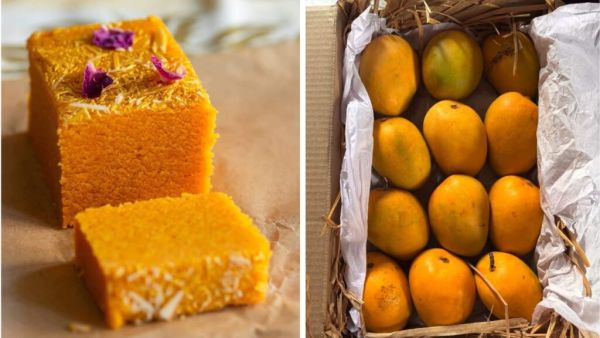
Summer Special: Don’t be the same food, this year make ‘Mango Barfi’ from mangoes, will sweeten the special moments.
-
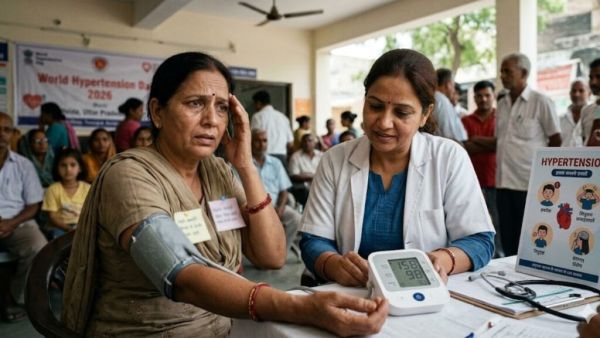
World Hypertension Day 2026: From headache to forgetfulness, never ignore these signs of high BP
-
Stress Management: Stress is a silent killer, if you want to be happy then make these 6 changes in your lifestyle.

-
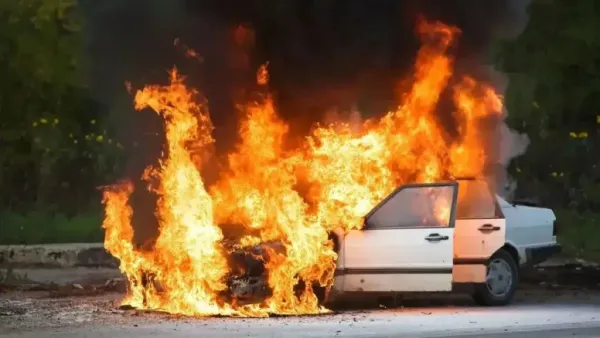
Essential tips for vehicle care in summer
-
JEE Advanced 2026 on May 17, candidates must keep these things in mind, guidelines issued