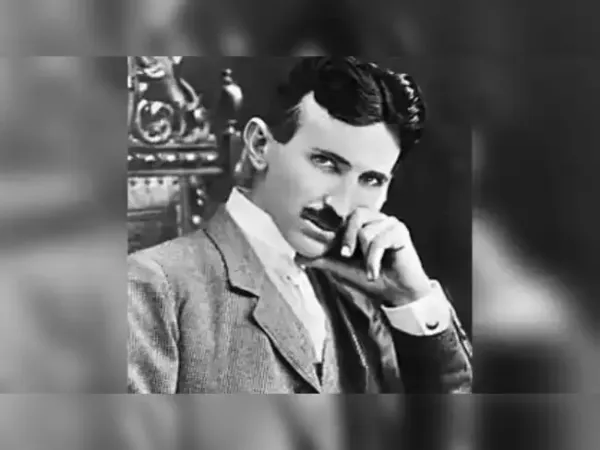
History is filled with inventors who changed the world, but very few became as mysterious, admired and misunderstood as Nikola Tesla. Long before wireless communication, remote control technology and modern electrical systems became part of everyday life, Tesla was imagining inventions that sounded impossible to most people around him. Many considered him brilliant. Others thought he was eccentric or unrealistic. But even his critics could never deny the scale of his imagination.
Among the many quotes associated with Tesla, one line still stands out today because it perfectly captures the frustration of creators whose ideas are copied, misunderstood or taken for granted.
“I don't care that they stole my idea . . I care that they don't have any of their own.”
The quote feels powerful because it goes beyond simple anger about theft or competition. Instead, Tesla points toward something he considered even more disappointing: the absence of originality.
For Tesla, ideas were not just inventions or business opportunities. They were reflections of imagination, curiosity and intellectual courage. Someone stealing an idea was frustrating, but someone incapable of creating anything independently seemed far worse to him. That is what gives the quote its emotional edge. It is not only about betrayal. It is about creative emptiness.
The line continues to resonate today because many people understand the feeling of seeing original work copied without recognition. Artists, writers, inventors and entrepreneurs often experience the frustration of watching others imitate their ideas while contributing little themselves. Tesla’s quote captures that disappointment with sharp confidence and almost brutal honesty.
Nikola Tesla’s words highlight the difference between imitation and true innovation. Copying something successful is often easier than creating something new from nothing. Original ideas require risk, uncertainty and years of experimentation. Most groundbreaking thinkers spend their lives being doubted before their work is finally understood.
Tesla knew that experience personally. Born in Smiljan in 1856, Tesla showed extraordinary imagination from a young age. He studied engineering and became fascinated by electricity, particularly the possibilities of alternating current. At a time when many scientists and businessmen supported direct current systems, Tesla believed alternating current could transmit electricity more efficiently across long distances.
That belief eventually sparked one of the most famous rivalries in technological history between Tesla and Thomas Edison. The so-called “War of Currents” became a battle between Edison’s direct-current system and Tesla’s alternating-current approach supported by George Westinghouse.
In the end, Tesla’s vision transformed the modern electrical world. The quote also reflects how difficult originality can be. Truly innovative people often face skepticism because their ideas sound strange before they become revolutionary. Tesla spent much of his life defending concepts that many people initially dismissed as impossible.
Why does Nikola Tesla remain such a fascinating figure today?
Tesla’s influence on modern technology is almost impossible to overstate. His discoveries and patents helped shape alternating-current power systems, radio technology and wireless communication. The invention of the Tesla coil became a foundation for numerous electronic technologies used throughout the 20th century.
In 1893, Tesla’s alternating-current system helped light the World's Columbian Exposition in Chicago, stunning audiences and proving the potential of his ideas. Soon afterward, his technology powered the Niagara Falls hydroelectric project, one of the greatest engineering achievements of its era.
Yet despite his genius, Tesla’s life was also filled with financial struggles, failed projects and personal eccentricities. Some of his most ambitious visions — including worldwide wireless communication towers and futuristic energy systems — never received the support or funding needed to succeed fully.
Over time, Tesla became almost mythological in popular culture: the lonely genius ahead of his time, filled with brilliant ideas but unable to fit comfortably into ordinary society.
Today, his legacy remains stronger than ever. Modern companies like Tesla, Inc. were even named in his honour, introducing his name to entirely new generations.
But quotes like this are also why people continue connecting with Tesla emotionally, not just scientifically. His words reflect the mindset of someone who valued imagination above imitation and originality above recognition.
The futurist Tesla understood that ideas can be copied, stolen or commercialized by others. But genuine creativity, the ability to imagine something entirely new, is much rarer, and far more valuable.
Among the many quotes associated with Tesla, one line still stands out today because it perfectly captures the frustration of creators whose ideas are copied, misunderstood or taken for granted.
Iconic quote by Nikola Tesla
“I don't care that they stole my idea . . I care that they don't have any of their own.”
The quote feels powerful because it goes beyond simple anger about theft or competition. Instead, Tesla points toward something he considered even more disappointing: the absence of originality.
For Tesla, ideas were not just inventions or business opportunities. They were reflections of imagination, curiosity and intellectual courage. Someone stealing an idea was frustrating, but someone incapable of creating anything independently seemed far worse to him. That is what gives the quote its emotional edge. It is not only about betrayal. It is about creative emptiness.
The line continues to resonate today because many people understand the feeling of seeing original work copied without recognition. Artists, writers, inventors and entrepreneurs often experience the frustration of watching others imitate their ideas while contributing little themselves. Tesla’s quote captures that disappointment with sharp confidence and almost brutal honesty.
What does the quote teach us about creativity and innovation?
Nikola Tesla’s words highlight the difference between imitation and true innovation. Copying something successful is often easier than creating something new from nothing. Original ideas require risk, uncertainty and years of experimentation. Most groundbreaking thinkers spend their lives being doubted before their work is finally understood.
Tesla knew that experience personally. Born in Smiljan in 1856, Tesla showed extraordinary imagination from a young age. He studied engineering and became fascinated by electricity, particularly the possibilities of alternating current. At a time when many scientists and businessmen supported direct current systems, Tesla believed alternating current could transmit electricity more efficiently across long distances.
That belief eventually sparked one of the most famous rivalries in technological history between Tesla and Thomas Edison. The so-called “War of Currents” became a battle between Edison’s direct-current system and Tesla’s alternating-current approach supported by George Westinghouse.
In the end, Tesla’s vision transformed the modern electrical world. The quote also reflects how difficult originality can be. Truly innovative people often face skepticism because their ideas sound strange before they become revolutionary. Tesla spent much of his life defending concepts that many people initially dismissed as impossible.
Why does Nikola Tesla remain such a fascinating figure today?
Tesla’s influence on modern technology is almost impossible to overstate. His discoveries and patents helped shape alternating-current power systems, radio technology and wireless communication. The invention of the Tesla coil became a foundation for numerous electronic technologies used throughout the 20th century.
In 1893, Tesla’s alternating-current system helped light the World's Columbian Exposition in Chicago, stunning audiences and proving the potential of his ideas. Soon afterward, his technology powered the Niagara Falls hydroelectric project, one of the greatest engineering achievements of its era.
Yet despite his genius, Tesla’s life was also filled with financial struggles, failed projects and personal eccentricities. Some of his most ambitious visions — including worldwide wireless communication towers and futuristic energy systems — never received the support or funding needed to succeed fully.
Over time, Tesla became almost mythological in popular culture: the lonely genius ahead of his time, filled with brilliant ideas but unable to fit comfortably into ordinary society.
Today, his legacy remains stronger than ever. Modern companies like Tesla, Inc. were even named in his honour, introducing his name to entirely new generations.
But quotes like this are also why people continue connecting with Tesla emotionally, not just scientifically. His words reflect the mindset of someone who valued imagination above imitation and originality above recognition.
The futurist Tesla understood that ideas can be copied, stolen or commercialized by others. But genuine creativity, the ability to imagine something entirely new, is much rarer, and far more valuable.