
Sport and music fans are being urged to stay alert when buying tickets for this summer's biggest events, including the UEFA Champions League, FIFA World Cup and major concerts including Take That, Foo Fighters and Harry Styles. UK adults are expected to spend an average of £225 on tickets this summer, but high demand is pushing some towards unregulated purchases - with 70% admitting they would turn to unofficial routes such as social media if official tickets were sold out for an event they were desperate to attend.
This comes despite 11% of UK population having encountered a ticket scam in the past three years, with more than half (56%) falling victim and a quarter (24%) losing money, at £215 on average. The research from Barclays finds that Gen Zs are particularly exposed, with three in 10 (31%) encountering scams and 26% losing money.
HMRC confirms £17 extra tax charges for state pensioners every month
Abandoned UK shopping village left to rot after all 40 stores close down

While the UK Government's proposed resale rules - which will ban ticket resales above face value -are deemed to be a positive step towards tackling inflated prices, public awareness remains high, with the vast majority of UK adults (76%) saying they would still be cautious about potential scams occurring outside official channels.
However, younger fans are more likely to buy resale tickets at a premium, with three in five Gen Zs (63%) willing to pay above the asking price to obtain a ticket to a sold-out event.
On average, they would pay £55 extra - more than double the £25 national average - while 11% would pay more than £100 above the asking price.
Gen Z is also more likely to go beyond official sellers when tickets are no longer available; just 16% would limit their search to an event's official site when buying tickets, compared with 76% of Baby Boomers.
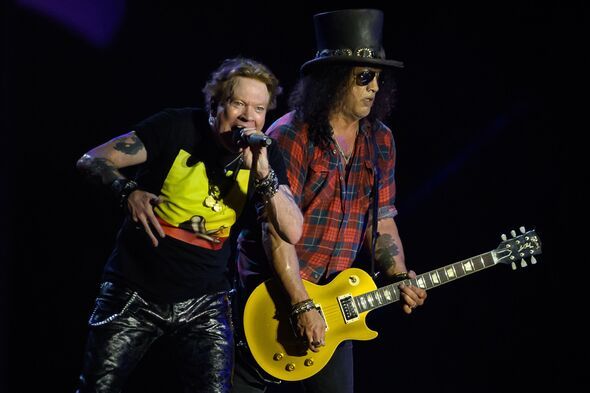
Three in 10 of those aged 18-29 (30%) have attempted to buy tickets through social media posts, comments or direct messages in the past 12 months, compared with 11% of UK adults overall, while Barclays proprietary scam claim data for 2025 shows three in five (63%) purchase scams reported by Gen Z originated on social media.
One in five of this generation (20%) said they would trust a ticket offer on social media if the seller sent an order confirmation 'screenshot' - even though screenshots are not recognised as proof that a ticket is genuine.
Two thirds of UK adults (64% ) believe AI is making ticket scams harder to spot, while 57% think AI-generated images, videos or messages can help ticket scammers seem more believable.
As technology advancements often make fake listings and seller profiles increasingly hard to spot, three in four (76%) would like to see social media companies do more to prevent ticket scams from taking place on their platforms. Many would welcome clearer warnings such as labels for newly created or suspicious accounts (31%) and alerts when sellers ask for bank transfers, gift cards or cryptocurrency (30%).
Of those who have fallen victim to a ticket scam, one in three (33%) say they were asked to pay by bank transfer, while 26% say the scammer moved communication to a private messaging app.
Kirsty Adams, Fraud & Scams Expert at Barclays, said: "Fairer resale rules are good news for fans, but they do not make every ticket offer safe. The risk often starts when people miss out on official tickets and feel pressure to act quickly. Scammers know this, and can use urgency, social media and convincing proof such as screenshots to make fake offers look real.
"Our message to fans is simple: if a ticket is being sold outside official channels, take extra care. Do not let the pressure to secure a ticket push you into paying before you have checked who you are dealing with."
S - Stick to official sellers
Buy tickets through the official ticket seller, venue, artist, organiser or a trusted resale platform wherever possible. Be cautious if a seller pushes you to move into direct messages or away from the site where the ticket was listed.
A - Ask questions and check details
Pause before paying and check the seller, website and ticket route carefully. Screenshots, order confirmations or screen recordings are not proof that a ticket is genuine. If you are unsure, ask someone you trust before sending money.
F - Flag risky payment requests
Treat requests for bank transfer, gift cards, cryptocurrency or "Friends and Family" payments as a warning sign. Scammers often use these payment methods because they offer little or no buyer protection.
E - Exit and report
If something feels wrong, stop the purchase. Report the profile, post or message on the platform, and contact your bank straight away if you have sent money or shared sensitive information. You can also report fraud to Action Fraud.
For more information and advice on how to stay protected from fraud and scams, visit: barclays.co.uk/scams.
-
Dennis Locorriere dead: 70s music legend dies after 'long and courageous' health battle

-
Days after deadly storms, India braces for severe heatwave as temperatures set to touch 45°C

-
Drone Attack Sparks Fire Near UAE Nuclear Facility: What You Need to Know

-
Police and air ambulance flood Catford Tesco car park as man stabbed 'after fight'
-
Katrina Kaif Calls Vicky Kaushal an 'Expert on Make Up,' Shares Glimpse of Vihaan in Special Birthday Post