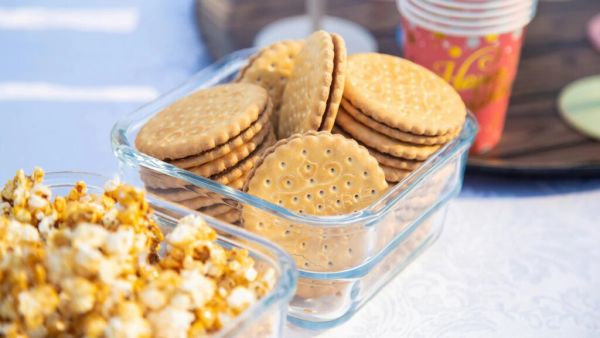
From biscuits to packaged snacks, Indian food and snack brands are reportedly preparing calibrated price hikes and grammage reductions to manage margins while maintaining consumer demand. The trend has resurfaced amid rising production costs due to fuel prices, higher packaging costs and geopolitical disruptions that are affecting supply chains and raw material expenses across industries, including food.
For consumers, this could mean paying the same amount for slightly smaller packs without immediately noticing the difference.
According to a May 10 PTI report, smaller and popular price points such as Rs 5, Rs 10 and Rs 15 packs are expected to remain unchanged, to maintain sales volumes.
This could be achieved via the practice of shrinkflation.
What Is Shrinkflation?
Shrinkflation is a form of hidden inflation in which companies reduce the size, quantity, or weight of a product while keeping its retail price unchanged. The strategy allows brands to offset rising manufacturing and operational costs without introducing visible price hikes that may discourage consumers.
In simple terms, consumers end up paying the same amount but receive less product than before.
The practice is particularly common during periods of rising raw material costs, fuel price increases, and intense market competition.
Why Food Brands Resort To Shrinkflation
Food manufacturers often face a difficult choice when the cost of ingredients such as wheat, cocoa, edible oils, or sugar increases. They can either raise prices directly or reduce product quantity while maintaining the same price point.
Since consumers tend to be highly sensitive to visible price increases, many brands opt for downsizing products as a less noticeable alternative.
According to the PTI report, leading biscuit and bakery products maker Britannia Industries has already indicated imminent price hikes and grammage adjustments. The company, known for brands such as Good Day, Marie Gold, Milk Bikis and Tiger, cited nearly 20 per cent increases in fuel and packaging costs due to geopolitical developments.
Britannia managing director and CEO Rakshit Hargave said, “Yes, selectively, we will have to take price increases. And this includes both grammage adjustment and some of the packs which are above Rs 10, some kind of a price increase,” he said while replying to a query, reported PTI. For larger pack sizes, the prices will increase.
Shrinkflation Could Be More Than Just Smaller Packs
Shrinkflation does not always mean visibly smaller packaging. In some cases, brands may alter formulations, remove ingredients, or make subtle packaging changes to cut costs while maintaining the same retail price.
For instance, brands may reduce premium ingredients, tweak recipes, or eliminate packaging elements to save expenses.
Because these changes are often gradual and difficult to detect, many consumers may not immediately realize that they are receiving less value for the same amount of money.
What It Means For Consumers
Shrinkflation can create frustration among consumers, particularly when brands fail to clearly communicate product changes. While the price on the shelf may appear unchanged, the reduced quantity means consumers effectively pay more over time.
Most shoppers are unlikely to closely compare product weights or read labels regularly, allowing subtle reductions to go unnoticed.
Despite criticism, shrinkflation remains a widely used strategy globally, especially during periods of economic uncertainty and rising inflation.
-
Drinking alcohol during menstruation? Can affect women’s fertility, experts warned

-
Jackfruit Superfood: Jackfruit is delicious in taste and rich in nutrients, include it in your diet today.
-
Bone smashing trend dangerous for youth: Know its side effects

-
America shaken by a decision of Donald Trump! Billions worth of shares bought in 90 days, intelligence investigation started
-
TraceX Labs Launches GEOX AI, India’s AI-Powered Geolocation Intelligence Platform