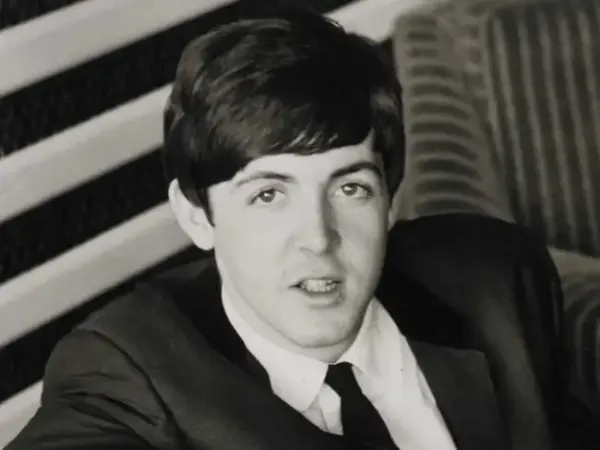
Every single day, there are millions of people who tune into the radio or click play on their favorite streaming apps to hear music that helps them get through the day. Sometimes, a specific set of words can just grab a person by the heart and make them stop to think about their own lives. For today, our featured daily lyric comes from none other than the legendary musician Paul McCartney during his unforgettable years with the English rock band known all over the world as the Beatles.
The Music lyric of the day goes: "Yesterday, all my troubles seemed so far away. Now it looks as though they're here to stay. Oh, I believe in yesterday."
These lines come from the classic song titled simply "Yesterday," which was first given to the public on the album Help! back in August of the year 1965. If you were living in the United States at that time, you actually got to buy it as a single record a month later in September, and it did not take long before it shot all the way up to the number one spot on the US Billboard Hot 100 charts. It is funny how a song can start out so small and end up becoming something that the whole wide world knows by heart.
What Do These Lyrics Actually Mean?
The lyrics of the song express a strong sense of sadness, nostalgia and emotional loss. Paul McCartney reflects on a time when life felt peaceful and free from worry, capturing the comfort of happier days when everything seemed stable and under control. The opening lines look back at the past with warmth, showing how quickly life can change without warning.
As the song continues, the mood becomes much heavier as the singer realizes that his troubles may not disappear anytime soon. The lyrics describe the painful feeling of being trapped in sadness and struggling to accept a difficult present. By saying he “believes in yesterday,” the song suggests that the memories of better times feel safer and easier than facing current heartbreak, a feeling many people relate to after experiencing loss or emotional pain.
How the Song Was Created in a Dream
The story behind the creation of the melody is one of the most well-known tales in Beatles history. Paul McCartney reportedly dreamed the full tune while sleeping at the home of his girlfriend, Jane Asher, on Wimpole Street. The moment he woke up, he hurried to a piano nearby and quickly played the melody because he was afraid he would forget it.
Even after coming up with the tune, McCartney spent weeks worrying that he may have unknowingly copied it from another song. He went around playing the melody for people in the music industry and repeatedly asked if they recognized it. He later compared the experience to trying to return a lost item to its rightful owner, believing that if nobody claimed it after some time, then the song must really belong to him.
Before the final lyrics were written, McCartney and John Lennon jokingly used the temporary title “Scrambled Eggs” with humorous placeholder lyrics. During the filming of Help!, McCartney constantly played the unfinished tune on a studio piano, which reportedly irritated director Richard Lester as well as George Harrison, who teased him for obsessing over the melody so much.
Record-Breaking Success and Huge Legacy
Despite the early hesitation from the band, the track went on to become one of the most successful pieces of music in the history of the world. According to organizations like Broadcast Music Incorporated (BMI), the song was performed more than seven million times on the air during the 20th century alone. It also holds a spot in the Guinness Book of World Records because it has been covered by other artists over 2,200 times, making it one of the most covered songs ever.
The honors kept rolling in as time went on. In 1997, it was put into the Grammy Hall of Fame. Then, in 1999, a big BBC Radio 2 poll of regular listeners and music experts voted it the best song of the entire 20th century. The very next year, both MTV and Rolling Stone magazine named it the number one pop song of all time.
Simpler Roots and Changing Times
Paul McCartney came from modest beginnings before becoming one of the world’s biggest music stars. Born in Liverpool on June 18, 1942, to parents Mary and James McCartney, he grew up in a working-class household. His father worked as a cotton salesman and also played piano in a local jazz band, which helped shape Paul’s early interest in music. According to his brother Michael, once Paul started playing guitar, he became so focused on it that he would often forget to eat or pay attention to anything else.
In 1957, McCartney met John Lennon at a church festival and joined Lennon’s band, the Quarrymen. He later brought in George Harrison, and by 1962, Ringo Starr completed the lineup that became The Beatles under manager Brian Epstein and producer George Martin. The band went on to spark the worldwide phenomenon known as Beatlemania, reshape youth culture, and receive MBEs from the Queen in 1965.
The Music lyric of the day goes: "Yesterday, all my troubles seemed so far away. Now it looks as though they're here to stay. Oh, I believe in yesterday."
These lines come from the classic song titled simply "Yesterday," which was first given to the public on the album Help! back in August of the year 1965. If you were living in the United States at that time, you actually got to buy it as a single record a month later in September, and it did not take long before it shot all the way up to the number one spot on the US Billboard Hot 100 charts. It is funny how a song can start out so small and end up becoming something that the whole wide world knows by heart.
What Do These Lyrics Actually Mean?
The lyrics of the song express a strong sense of sadness, nostalgia and emotional loss. Paul McCartney reflects on a time when life felt peaceful and free from worry, capturing the comfort of happier days when everything seemed stable and under control. The opening lines look back at the past with warmth, showing how quickly life can change without warning.As the song continues, the mood becomes much heavier as the singer realizes that his troubles may not disappear anytime soon. The lyrics describe the painful feeling of being trapped in sadness and struggling to accept a difficult present. By saying he “believes in yesterday,” the song suggests that the memories of better times feel safer and easier than facing current heartbreak, a feeling many people relate to after experiencing loss or emotional pain.
How the Song Was Created in a Dream
The story behind the creation of the melody is one of the most well-known tales in Beatles history. Paul McCartney reportedly dreamed the full tune while sleeping at the home of his girlfriend, Jane Asher, on Wimpole Street. The moment he woke up, he hurried to a piano nearby and quickly played the melody because he was afraid he would forget it.Even after coming up with the tune, McCartney spent weeks worrying that he may have unknowingly copied it from another song. He went around playing the melody for people in the music industry and repeatedly asked if they recognized it. He later compared the experience to trying to return a lost item to its rightful owner, believing that if nobody claimed it after some time, then the song must really belong to him.
Before the final lyrics were written, McCartney and John Lennon jokingly used the temporary title “Scrambled Eggs” with humorous placeholder lyrics. During the filming of Help!, McCartney constantly played the unfinished tune on a studio piano, which reportedly irritated director Richard Lester as well as George Harrison, who teased him for obsessing over the melody so much.
Record-Breaking Success and Huge Legacy
Despite the early hesitation from the band, the track went on to become one of the most successful pieces of music in the history of the world. According to organizations like Broadcast Music Incorporated (BMI), the song was performed more than seven million times on the air during the 20th century alone. It also holds a spot in the Guinness Book of World Records because it has been covered by other artists over 2,200 times, making it one of the most covered songs ever.The honors kept rolling in as time went on. In 1997, it was put into the Grammy Hall of Fame. Then, in 1999, a big BBC Radio 2 poll of regular listeners and music experts voted it the best song of the entire 20th century. The very next year, both MTV and Rolling Stone magazine named it the number one pop song of all time.
Simpler Roots and Changing Times
Paul McCartney came from modest beginnings before becoming one of the world’s biggest music stars. Born in Liverpool on June 18, 1942, to parents Mary and James McCartney, he grew up in a working-class household. His father worked as a cotton salesman and also played piano in a local jazz band, which helped shape Paul’s early interest in music. According to his brother Michael, once Paul started playing guitar, he became so focused on it that he would often forget to eat or pay attention to anything else.In 1957, McCartney met John Lennon at a church festival and joined Lennon’s band, the Quarrymen. He later brought in George Harrison, and by 1962, Ringo Starr completed the lineup that became The Beatles under manager Brian Epstein and producer George Martin. The band went on to spark the worldwide phenomenon known as Beatlemania, reshape youth culture, and receive MBEs from the Queen in 1965.