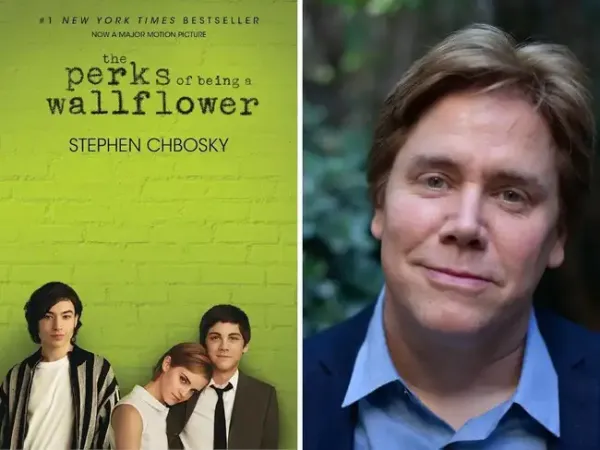
Books have the power to change the way you see life and even yourself. One particular paragraph, a certain word, or even a single quote can leave a deep impact on your soul, shaping your thoughts, feelings and actions. One such line is mentioned in the famous author Stephen Chbosky’s 1999 novel The Perks of Being a Wallflower. The book later inspired a film adaptation with the same title, starring Emma Watson, Paul Rudd, Logan Lerman, and Ezra Miller.
Lesson of the day from The Perks of Being a Wallflower
The simple yet meaningful line goes like this, ‘We accept the love we think we deserve’. In the book, the dialogue exchange occurred between a shy but talented student, Charlie, and his English teacher, Bill Anderson, in the classroom.
Charlie, as an observant high-school freshman, is deeply distressed because his older friend, Sam, keeps dating guys who treat her poorly, while at the same time, his older sister is also staying in an abusive relationship. Confused and heartbroken, Charlie approaches his teacher for guidance, asking him why the people he cares about let themselves be mistreated, to which his teacher gives a powerful piece of advice.
Mr Bill Anderson’s words highlight a deeply fundamental truth about human psychology. It shows that it is our self-esteem that dictates our relationships. If a person secretly feels worthless, flawed, or unlovable, they will unconsciously seek out partners who validate those negative beliefs. They will repeatedly put up with bad behaviour and abuse, accepting toxicity because it aligns with their internal self-worth.
Deeper meaning behind the book line
These individuals believe that they are unworthy of affection or care and hence, when someone shows even a little bit of love after days of misconduct, they feel it is enough; enough for them to stay. On the other hand, healthy and respectful love might feel unfamiliar or scary. People who grow up feeling emotionally neglected, criticised, abandoned, or constantly invalidated often develop a distorted understanding of love.
Over time, pain begins to feel familiar, while healthy affection feels unfamiliar and uncomfortable. As a result, when someone genuinely respects, values, or cares for them, they may struggle to trust those feelings and even push that person away. Healthy love demands vulnerability, consistency and emotional openness, which can feel frightening to individuals who are used to chaos, rejection, or conditional affection.
In many cases, such people mistake emotional intensity for love. They may unconsciously gravitate towards toxic relationships because the unpredictability mirrors what they have emotionally experienced in the past. Deep down, they may believe they are undeserving of peace, kindness, or stability. Consequently, they tolerate mistreatment because it aligns with the negative image they hold of themselves.
How to make yourself feel worthy of love
However, this cycle can be broken with self-awareness and healing. The first step is recognising unhealthy relationship patterns and understanding that self-worth should not depend on another person’s validation. Therapy, self-reflection, journaling, setting boundaries and surrounding oneself with emotionally safe people can gradually help rebuild confidence and self-esteem. Learning to accept healthy love also requires patience because healing often means unlearning years of emotional conditioning.
Friends and family can play an important role in this process by offering consistent support without judgment. Instead of criticising someone for staying in a toxic relationship, loved ones should create a safe space where the individual feels heard, valued and emotionally secure. Gentle reassurance, emotional availability and encouraging professional help can make a significant difference. Sometimes, simply reminding a person that they deserve kindness, respect and healthy love can become the first step towards change.
More about author Stephen Chbosky
Stephen Chbosky is an American novelist, screenwriter and film director best known for writing the coming-of-age novel The Perks of Being a Wallflower. Published in 1999, the book became a cult favourite among young readers for its honest portrayal of mental health, friendship, trauma and adolescence. Chbosky later adapted the novel into a critically acclaimed film in 2012, starring Logan Lerman, Emma Watson and Ezra Miller. Apart from directing films, he has also co-written popular projects like Beauty and the Beast and continues to be recognised for emotionally resonant storytelling.
Lesson of the day from The Perks of Being a Wallflower
The simple yet meaningful line goes like this, ‘We accept the love we think we deserve’. In the book, the dialogue exchange occurred between a shy but talented student, Charlie, and his English teacher, Bill Anderson, in the classroom.
Charlie, as an observant high-school freshman, is deeply distressed because his older friend, Sam, keeps dating guys who treat her poorly, while at the same time, his older sister is also staying in an abusive relationship. Confused and heartbroken, Charlie approaches his teacher for guidance, asking him why the people he cares about let themselves be mistreated, to which his teacher gives a powerful piece of advice.
Mr Bill Anderson’s words highlight a deeply fundamental truth about human psychology. It shows that it is our self-esteem that dictates our relationships. If a person secretly feels worthless, flawed, or unlovable, they will unconsciously seek out partners who validate those negative beliefs. They will repeatedly put up with bad behaviour and abuse, accepting toxicity because it aligns with their internal self-worth.
Deeper meaning behind the book line
These individuals believe that they are unworthy of affection or care and hence, when someone shows even a little bit of love after days of misconduct, they feel it is enough; enough for them to stay. On the other hand, healthy and respectful love might feel unfamiliar or scary. People who grow up feeling emotionally neglected, criticised, abandoned, or constantly invalidated often develop a distorted understanding of love.
Over time, pain begins to feel familiar, while healthy affection feels unfamiliar and uncomfortable. As a result, when someone genuinely respects, values, or cares for them, they may struggle to trust those feelings and even push that person away. Healthy love demands vulnerability, consistency and emotional openness, which can feel frightening to individuals who are used to chaos, rejection, or conditional affection.
In many cases, such people mistake emotional intensity for love. They may unconsciously gravitate towards toxic relationships because the unpredictability mirrors what they have emotionally experienced in the past. Deep down, they may believe they are undeserving of peace, kindness, or stability. Consequently, they tolerate mistreatment because it aligns with the negative image they hold of themselves.
How to make yourself feel worthy of love
However, this cycle can be broken with self-awareness and healing. The first step is recognising unhealthy relationship patterns and understanding that self-worth should not depend on another person’s validation. Therapy, self-reflection, journaling, setting boundaries and surrounding oneself with emotionally safe people can gradually help rebuild confidence and self-esteem. Learning to accept healthy love also requires patience because healing often means unlearning years of emotional conditioning.
Friends and family can play an important role in this process by offering consistent support without judgment. Instead of criticising someone for staying in a toxic relationship, loved ones should create a safe space where the individual feels heard, valued and emotionally secure. Gentle reassurance, emotional availability and encouraging professional help can make a significant difference. Sometimes, simply reminding a person that they deserve kindness, respect and healthy love can become the first step towards change.
More about author Stephen Chbosky
Stephen Chbosky is an American novelist, screenwriter and film director best known for writing the coming-of-age novel The Perks of Being a Wallflower. Published in 1999, the book became a cult favourite among young readers for its honest portrayal of mental health, friendship, trauma and adolescence. Chbosky later adapted the novel into a critically acclaimed film in 2012, starring Logan Lerman, Emma Watson and Ezra Miller. Apart from directing films, he has also co-written popular projects like Beauty and the Beast and continues to be recognised for emotionally resonant storytelling.