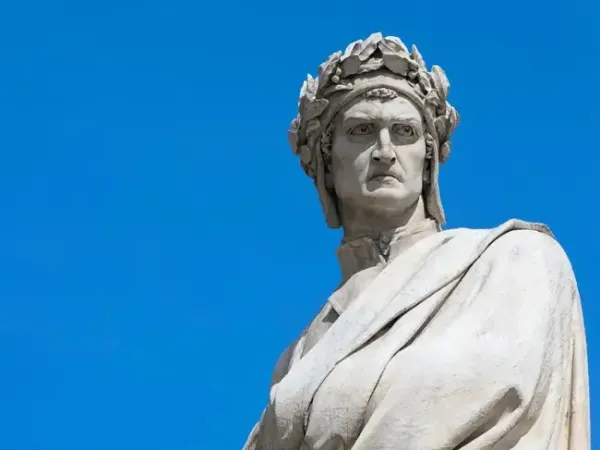
There are certain phrases in literature that survive not because they are complicated, but because they describe emotions people continue to feel generation after generation. Italian poet Dante Alighieri wrote one such line centuries ago, yet it still feels deeply personal even today. His words about sorrow and memory continue to resonate with readers dealing with heartbreak, regret, loneliness, or difficult phases in life.
The poetry of the day goes: “There is no greater sorrow than to recall happiness in times of misery.”
The line comes from Dante’s Inferno, the first section of his legendary epic poem The Divine Comedy. In the original Italian, the verse reads: “Nessun maggior dolore che ricordarsi del tempo felice ne la miseria...”
These words are spoken by Francesca da Rimini in Canto V of Inferno. Francesca recounts her tragic love story and the suffering that followed it. While speaking to Dante, she reflects on how painful it becomes to remember happier days while living through misery. The emotional honesty of the line is one reason it has remained famous for centuries.
That is what gives the line its emotional weight. Happiness remembered from the past can feel unbearable during suffering because it creates a contrast between what once existed and what remains now. Whether it is lost love, broken friendships, family memories, success, or peaceful years of life, the memory itself becomes painful in moments of hardship.
Even today, the quote is shared widely because readers continue finding themselves inside its meaning. It does not belong only to medieval literature anymore. It connects with modern emotions in a way that still feels immediate and real.
One of Dante’s biggest contributions was his decision to write in the Tuscan vernacular instead of Latin. During that period, Latin dominated serious literary writing, but Dante chose a language ordinary people could understand. This decision helped shape modern Italian and earned him recognition as the father of the Italian language.
His most celebrated work, The Divine Comedy, remains one of the defining texts of world literature. The poem is divided into three parts: Inferno, Purgatorio, and Paradiso. Together, they describe a journey through Hell, Purgatory, and Heaven while exploring morality, sin, redemption, faith, and human nature.
Each circle represents different sins and contains punishments connected to those sins. The deeper Dante travels, the more severe the punishments become. The circles include Limbo, Lust, Gluttony, Greed, Anger, Heresy, Violence, Fraud, and Treachery.
In the second circle, where the lustful are punished, Dante encounters Francesca da Rimini and Paolo Malatesta. Their tragic story gives readers one of the poem’s most emotional passages, including the famous sorrow quote.
The punishments in Inferno are detailed and symbolic. Gluttons lie in filthy slush beneath freezing rain, the wrathful fight endlessly in muddy waters, and traitors remain frozen in ice beside Lucifer himself. Dante’s descriptions became so influential that they permanently shaped popular imagination about Hell and the afterlife.
Dante also used the poem to criticize corruption among political leaders and church officials. Many real historical figures appeared in his version of Hell, including rivals and public figures he believed were morally corrupt. Because of this, The Divine Comedy became not only a literary achievement but also a political statement.
The poem also combines ideas from philosophy, theology, and classical literature. Dante drew inspiration from writers like Virgil, Aristotle, and Cicero while blending them with Christian beliefs and his own personal reflections.
More than 700 years after it was written, Dante’s work continues to remain relevant because it deals with emotions and struggles people still recognize today. Themes like guilt, love, suffering, longing, exile, regret, and hope continue to feel universal.
The poetry of the day goes: “There is no greater sorrow than to recall happiness in times of misery.”
The line comes from Dante’s Inferno, the first section of his legendary epic poem The Divine Comedy. In the original Italian, the verse reads: “Nessun maggior dolore che ricordarsi del tempo felice ne la miseria...”
These words are spoken by Francesca da Rimini in Canto V of Inferno. Francesca recounts her tragic love story and the suffering that followed it. While speaking to Dante, she reflects on how painful it becomes to remember happier days while living through misery. The emotional honesty of the line is one reason it has remained famous for centuries.
What the phrasereally means
The meaning behind the quote feels very human and direct. Dante speaks about the pain of memory during difficult times. Often, when people are struggling emotionally, they look back at moments when life felt easier, happier, or more peaceful. Instead of comfort, those memories can sometimes make the pain feel stronger because they remind people of what they no longer have.That is what gives the line its emotional weight. Happiness remembered from the past can feel unbearable during suffering because it creates a contrast between what once existed and what remains now. Whether it is lost love, broken friendships, family memories, success, or peaceful years of life, the memory itself becomes painful in moments of hardship.
Even today, the quote is shared widely because readers continue finding themselves inside its meaning. It does not belong only to medieval literature anymore. It connects with modern emotions in a way that still feels immediate and real.
Dante Alighieri and the lasting impact of his writing
Dante Alighieri was born in Florence in 1265 and is widely considered one of the greatest literary figures in history. He was not only a poet but also a philosopher, political thinker, and writer whose work transformed Italian literature.One of Dante’s biggest contributions was his decision to write in the Tuscan vernacular instead of Latin. During that period, Latin dominated serious literary writing, but Dante chose a language ordinary people could understand. This decision helped shape modern Italian and earned him recognition as the father of the Italian language.
His most celebrated work, The Divine Comedy, remains one of the defining texts of world literature. The poem is divided into three parts: Inferno, Purgatorio, and Paradiso. Together, they describe a journey through Hell, Purgatory, and Heaven while exploring morality, sin, redemption, faith, and human nature.
Understanding Inferno
Inferno is the opening section of The Divine Comedy and follows a fictionalized Dante as he journeys through Hell guided by the Roman poet Virgil. The story begins with Dante lost in a dark forest, symbolizing confusion and spiritual crisis. From there, Virgil leads him deeper into the nine circles of Hell.Each circle represents different sins and contains punishments connected to those sins. The deeper Dante travels, the more severe the punishments become. The circles include Limbo, Lust, Gluttony, Greed, Anger, Heresy, Violence, Fraud, and Treachery.
In the second circle, where the lustful are punished, Dante encounters Francesca da Rimini and Paolo Malatesta. Their tragic story gives readers one of the poem’s most emotional passages, including the famous sorrow quote.
The punishments in Inferno are detailed and symbolic. Gluttons lie in filthy slush beneath freezing rain, the wrathful fight endlessly in muddy waters, and traitors remain frozen in ice beside Lucifer himself. Dante’s descriptions became so influential that they permanently shaped popular imagination about Hell and the afterlife.
More than just a poem
Although Inferno is often discussed for its religious imagery, the poem is also deeply personal and political. Dante lived during a period of intense political conflict in Florence and was eventually exiled from his home city. His experiences with betrayal, division, and exile strongly influenced his writing.Dante also used the poem to criticize corruption among political leaders and church officials. Many real historical figures appeared in his version of Hell, including rivals and public figures he believed were morally corrupt. Because of this, The Divine Comedy became not only a literary achievement but also a political statement.
The poem also combines ideas from philosophy, theology, and classical literature. Dante drew inspiration from writers like Virgil, Aristotle, and Cicero while blending them with Christian beliefs and his own personal reflections.
More than 700 years after it was written, Dante’s work continues to remain relevant because it deals with emotions and struggles people still recognize today. Themes like guilt, love, suffering, longing, exile, regret, and hope continue to feel universal.