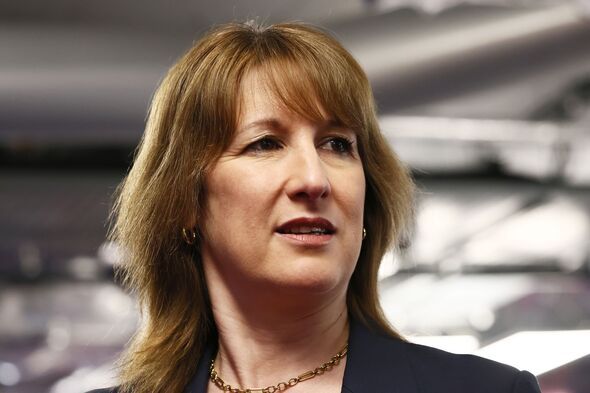
Fury has erupted over Labour plans that could leave grieving families facing huge bills under a new "mansion tax" scheme dubbed a "pay as you die" policy. Chancellor Rachel Reeves announced in last year's Budget that homes worth more than £2million would face a new annual "high value council tax surcharge" from 2028.
Under consultation documents published by the Treasury, homeowners earning less than £35,000 a year would be allowed to defer the charge until they die or sell their property. Critics say the move risks saddling families with large debts on inherited homes, on top of existing inheritance tax liabilities.
The surcharge is expected to range from £2,500 a year for homes valued between £2million and £2.5million, up to £7,500 annually for properties worth more than £5million.
Conservatives branded the policy a double tax on bereaved families.
Sir James Cleverly, the shadow housing secretary, said many pensioners would feel pressured to defer payments before passing the debt on to their children.
He warned that when combined with inheritance tax, the policy amounted to a "cruel double death tax".
Under the plans, deferred payments would still attract interest. While ministers have not confirmed the final rate, Treasury documents suggest it could be linked to HMRC's late payment rate, currently 7.75%.
Analysis by The Telegraph found that somebody deferring the maximum £7,500 annual charge for a decade could rack up a bill of more than £115,000 once interest is added.
Families inheriting homes could then face the surcharge debt alongside inheritance tax bills, which are charged at 40% above the £325,000 nil-rate threshold, subject to additional allowances for homes passed to children or grandchildren.
The Government has also confirmed that homeowners who fail to pay or defer the levy could have the money deducted directly from wages or face charges being placed against their property.
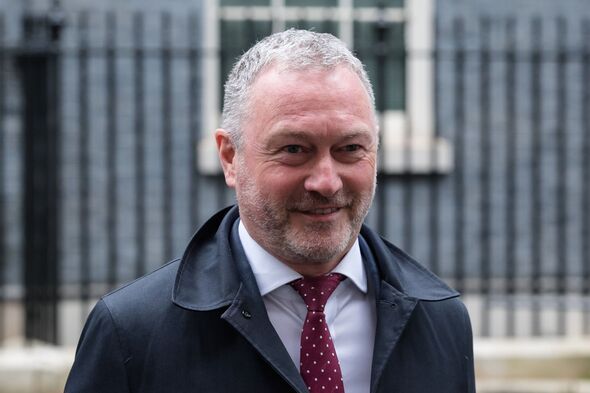
Housing Secretary Steve Reed defended the plans, saying owners of the country's most valuable homes should "pay their fair share".
The Treasury expects the surcharge to raise around £430million a year by 2028-29.
An estimated 165,000 homes are expected to be affected, according to figures from the Office for Budget Responsibility.
Properties in council tax bands F, G and H will be revalued before the levy comes into force. Revaluations will then take place every five years.
Critics have also warned that the system could discourage homeowners from improving their properties for fear of being pushed into a higher band.
Lucian Cook, of Savills, said the proposals could deter investment in homes and harm the wider economy.
Tom Bill, of Knight Frank, said owners near valuation thresholds may think twice about carrying out improvements if it risks permanently increasing their council tax bills.
The Treasury insisted the plans were designed to help people in difficult financial circumstances and argued the current council tax system is unfair.
A spokesman said some lower-banded homes in places such as Darlington and Blackpool currently pay more council tax than multimillion-pound properties in Mayfair.
-
Inside Arsenal’s Premier League Victory and the Turning Point That Changed Their Title Chase

-
Chelsea boss Xabi Alonso faces first major transfer call as Joao Pedro linked with Barcelona move

-
Interested in Contributing to FourFourTwo? Here's How to Pitch Your Idea

-
Is Alisson Becker set for his final appearance with Liverpool next week?
-
‘It Feels Like the End’: Former Manchester City Star Reflects on Pep Guardiola’s Possible Exit from the Etihad