Earl Tupper devoted many long hours to examining the oily black polyethylene slag left by the industrial process of refining crude oil, back when the colorful plastic containers that would be used for the famous “Tupperware parties” in the living room were still far from being thought of. Although the substance seemed dirty and rough, and certainly not commercially valuable in its current form, Tupper felt sure he could turn it into a lighter and more flexible product than those already on the market for home use. In the 1940s, wartime production had spurred the development of plastics in everything from lightweight transparent parts to industrial uses related to aviation and weaponry.
Tupper’s unique approach toward used industrial substances like polyethylene made him different from other scientists. As Smithsonian Magazine points out, Tupper began molding plastics using plasticized polyethylene extracted from oil-refining byproducts. The reason it is important to describe this process in detail is that early plastics were known for their unpleasant odor and tendency to break down, which made them less appealing for practical use. In addition to inventing containers, Tupper tried to convert an industrial material into a usable, safe material for storing food. Another factor that influenced the success of his invention at the time was the increase in plastic manufacturing capacity after World War II.
The hermetic seal transformed the way that leftovers and food ingredients could be preserved in the refrigerator in a time when home refrigeration had become more widespread than ever before in the United States. JSTOR Daily provides information on research on postwar consumer culture, revealing the extent to which plastic food storage products became associated with the concepts of efficiency, preservation, and organization of the postwar period. This was important to Tupperware's success because it was invented at a time when the American kitchen was being redefined by technologies such as refrigeration, processed foods, suburbia, and consumerism.
The more profound irony about the story is its historical significance. Some of the work had been inspired by the wartime plastics industry that grew during the war effort, as well as by materials development for aircraft parts and equipment production. The cultural survivor of this period, however, was neither aircraft nor any of the materials developed specifically for the war effort. Instead, it was a humble food box resting quietly in refrigerators everywhere. This unusual journey reflects the course followed by many discoveries after rapid innovation eras. Materials developed for industrial warfare ended up being used on leftover food, packed lunches, and even orderly kitchens. Tupper looked for ways to transform plastic into something useful, and the result of his efforts became one of the most recognizable domestic items of the century.
Tupper’s unique approach toward used industrial substances like polyethylene made him different from other scientists. As Smithsonian Magazine points out, Tupper began molding plastics using plasticized polyethylene extracted from oil-refining byproducts. The reason it is important to describe this process in detail is that early plastics were known for their unpleasant odor and tendency to break down, which made them less appealing for practical use. In addition to inventing containers, Tupper tried to convert an industrial material into a usable, safe material for storing food. Another factor that influenced the success of his invention at the time was the increase in plastic manufacturing capacity after World War II.
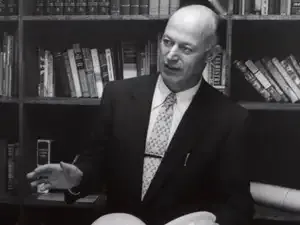
Earl Tupper | Image Credit: instagram/@tupperwareglobal
Tupper focused obsessively on sealing technology rather than the container itself
Tupperware was unique because Tupper’s approach focused on solving the problem of keeping contents fresh through a proper airtight seal, rather than on developing the container's form. As described by the National Museum of American History, Tupper invented a flexible, airtight seal known as the “burping seal”; the name was probably derived from the mechanism used to seal paint cans. The above information demonstrates that the industrial mindset significantly influenced the creation of this product.The hermetic seal transformed the way that leftovers and food ingredients could be preserved in the refrigerator in a time when home refrigeration had become more widespread than ever before in the United States. JSTOR Daily provides information on research on postwar consumer culture, revealing the extent to which plastic food storage products became associated with the concepts of efficiency, preservation, and organization of the postwar period. This was important to Tupperware's success because it was invented at a time when the American kitchen was being redefined by technologies such as refrigeration, processed foods, suburbia, and consumerism.
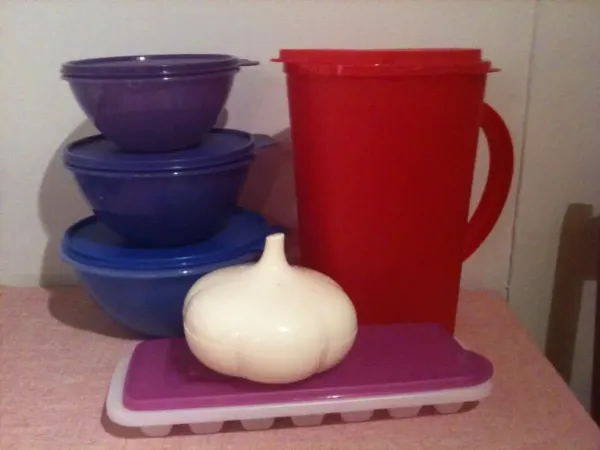
Tupperware products | Image Credit: Wikimedia Commons
The invention succeeded because the material no longer looked industrial
One of the most difficult issues that Tupper had to face involved more psychology than chemistry. Earlier plastic goods seemed more factory-like and mechanistic in appearance, and not associated with hygiene and domestic convenience. This problem was addressed partially by Tupper through design innovations since containers became smooth, lightweight, colorful, and less hard-looking in contrast with traditional metal or glass kitchenware. As Britannica reports, Tupper patented the new polyethylene containers in the 1940s, prior to the successful commercial development of the goods through a party-selling system later popularized by Brownie Wise.The more profound irony about the story is its historical significance. Some of the work had been inspired by the wartime plastics industry that grew during the war effort, as well as by materials development for aircraft parts and equipment production. The cultural survivor of this period, however, was neither aircraft nor any of the materials developed specifically for the war effort. Instead, it was a humble food box resting quietly in refrigerators everywhere. This unusual journey reflects the course followed by many discoveries after rapid innovation eras. Materials developed for industrial warfare ended up being used on leftover food, packed lunches, and even orderly kitchens. Tupper looked for ways to transform plastic into something useful, and the result of his efforts became one of the most recognizable domestic items of the century.