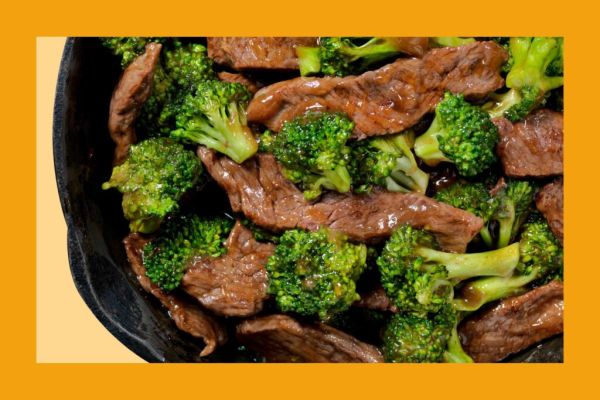
If you’ve ever wondered why the chicken, beef, shrimp, or fish served in your favorite Chinese restaurant feels incredibly tender and silky, the answer often lies in a cooking technique called velveting. This traditional Chinese method has been used for generations to create proteins that remain juicy, smooth, and delicate even when cooked over high heat.
While it may sound complicated, velveting is surprisingly simple and can easily be done at home. Once you learn the technique, your stir-fries, noodle dishes, and seafood recipes can take on a restaurant-quality texture that is difficult to achieve through ordinary marinating alone.
What Is Velveting?
Velveting is a Chinese marinating and pre-cooking technique designed to protect proteins from becoming tough or dry during cooking. The process involves coating meat or seafood in a special marinade before briefly cooking it in oil or water.
The protective coating creates a barrier around the protein, helping it retain moisture while producing the signature silky texture that velveting is known for.
The technique works particularly well with:
- Chicken breast
- Beef strips
- Pork slices
- Shrimp
- Scallops
- Fish fillets
Why Velveting Works
Proteins can easily become dry and chewy when exposed to high heat. Velveting helps prevent this by creating a thin coating that locks in moisture and reduces moisture loss during cooking.
The result is:
- Tender texture
- Juicy interior
- Smooth mouthfeel
- Faster cooking time
- Better absorption of sauces
This is one reason why many Chinese stir-fried dishes maintain such delicate textures despite being cooked quickly in extremely hot woks.
Traditional Velveting Marinade
A basic velveting marinade typically includes:
- Egg white
- Cornstarch
- A small amount of oil
- Soy sauce (optional)
- Rice wine or cooking wine (optional)
The cornstarch and egg white combine to form a light protective layer around the protein.
After coating the meat or seafood, it is usually left to marinate for 20 to 30 minutes before cooking.
Water Velveting Method
One of the easiest techniques for home cooks is water velveting.
How to Do It
- Slice meat thinly.
- Toss with egg white and cornstarch mixture.
- Let marinate for 20–30 minutes.
- Bring water to a gentle simmer.
- Add the marinated protein.
- Cook briefly for 30–60 seconds until almost done.
- Remove and drain.
- Finish cooking in your stir-fry or sauce.
This method uses less oil and is popular among home cooks looking for a lighter option.
Oil Velveting Method
Restaurants often use oil velveting.
In this approach:
- Marinated meat is briefly passed through hot oil.
- It cooks partially for less than a minute.
- The protein is removed and drained.
- It is then added to the final dish.
Oil velveting creates an exceptionally smooth and luxurious texture but requires more oil than the water method.
Best Proteins for Velveting
Chicken
Chicken breast benefits enormously from velveting because it tends to dry out quickly during stir-frying.
Beef
Thin slices of beef become noticeably softer and more tender after velveting.
Shrimp
Velveting helps shrimp remain plump and juicy while preventing overcooking.
Fish
Delicate fish fillets stay intact and silky when protected by the velveting coating.
Common Mistakes to Avoid
Using Too Much Cornstarch
A thick coating can make the final dish gummy rather than silky.
Overcooking During the First Step
Velveting is only a partial cooking process. The protein should finish cooking in the final dish.
Skipping the Marinating Time
Allowing the coating to rest helps it adhere properly and improves texture.
Using Boiling Water
Gentle simmering works best. Vigorous boiling can cause the coating to break apart.
Dishes That Benefit from Velveting
The technique is commonly used in:
- Chicken and broccoli stir-fry
- Beef with vegetables
- Kung Pao chicken
- Shrimp stir-fry
- Garlic seafood dishes
- Lo mein
- Fried rice
- Sweet and sour recipes
The Bottom Line
Velveting is one of the most valuable techniques in Chinese cooking because it transforms ordinary meat and seafood into exceptionally tender, silky proteins. With just a few simple ingredients and a little preparation time, home cooks can recreate the smooth, restaurant-quality texture that makes Chinese stir-fries so satisfying.
Whether you’re preparing chicken, beef, shrimp, or fish, mastering velveting can instantly elevate your cooking and bring authentic Chinese flavors and textures to your kitchen.
-
Marc Cucurella tips Germany as World Cup dark horses but hopes they make an early exit

-
Former Southampton and Croatia National Team Winger, Luka Modric’s 2022 World Cup Teammate, Reportedly Negotiated by Persib Bandung

-
Andoni Iraola Leads the Race to Become Liverpool’s Next Manager — What We Know So Far

-
Official Mexico National Team Squad for the 2026 World Cup: Guillermo Ochoa Poised to Make History

-
Nova Arianto Considers Himself Successful After Mathew Baker Earns Indonesia Senior Team Call-Up