
Megan Greene, a member of the Bank of England’s Monetary Policy Committee, said the case for raising interest rates becomes stronger if the Iran war continues for an extended period.
Her remarks come as policymakers closely monitor the economic impact of rising energy costs and supply chain disruptions linked to the conflict. Greene has consistently been among the more cautious voices on inflation and has previously warned that geopolitical shocks could keep price pressures elevated for longer than expected.
Megan Greene warns about inflation risks
Greene said UK households and businesses are arguably more sensitive to rising inflation than they were in the past.
The concern is that after years of high inflation, consumers and companies may react more quickly to rising prices. Businesses could pass higher costs on to customers, while workers may seek higher wages to keep up with living expenses. Economists often view this cycle as a risk because it can make inflation more persistent.
The Bank of England has spent years trying to bring inflation back toward its 2% target. While inflation has eased significantly from previous peaks, policymakers remain alert to any developments that could reverse that progress.
Iran war impact on UK economy remains a concern
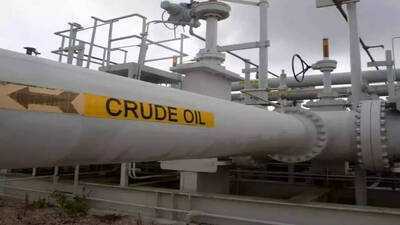
The conflict has already pushed energy prices higher and created uncertainty across global markets. Higher oil prices can increase transportation, manufacturing, and household energy costs, eventually feeding into broader inflation across the economy.
Greene has previously argued that central banks should not automatically assume the inflationary effects of the Iran conflict will be temporary. She has warned that repeated global supply shocks can have lasting consequences for prices and inflation expectations.
Interest rate outlook in focus
While Greene’s latest comments suggest growing concern about inflation, the Bank of England has not yet committed to raising rates. Recent statements from Governor Andrew Bailey indicate that policymakers are still assessing the full impact of the conflict before making major decisions.
For now, investors, businesses, and households will be watching closely. If energy prices remain elevated and inflation starts to accelerate again, pressure could build on the Bank of England to consider tighter monetary policy in the months ahead.
-
'There were a lot of positives': Shreyas Iyer reflects on 'rough' England tour, urges fearless approach in Zimbabwe

-
Eyes on Vaibhav Sooryavanshi: IPL sensation has to prove he is ready for international cricket after difficult debut UK tour

-
Madison Shooting Incident Sparks Outrage and Calls for Police Reform

-
Surge in Global Oil Prices Exceeds $100 Amid Middle East Tensions
-
National Cousins Day: Celebrating the family members who often become lifelong friends