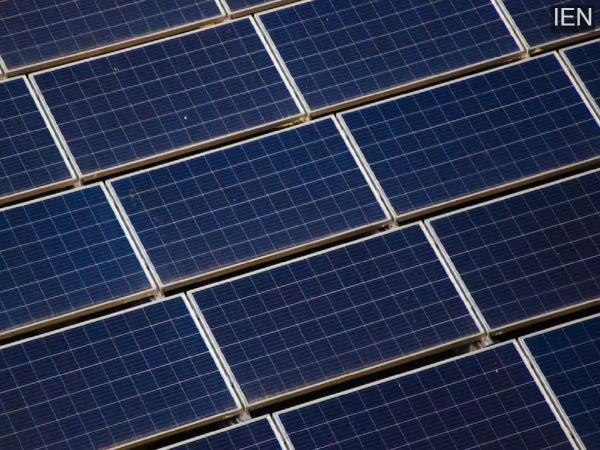
Solar Energy System Tips: It is essential to decide on several factors before having a solar energy system installed. Without doing so, your energy needs may not be met, and you could end up wasting your money.
Solar Energy System Tips: People are increasingly turning toward solar energy to reduce their electricity bills. As a result, solar panels have become a common sight everywhere these days—from bustling cities to rural villages. In addition to providing clean energy, solar panels offer protection against rising electricity costs; however, confusion often arises regarding solar energy systems. Therefore, it is advisable to decide on certain aspects in advance.
First, Assess Your Requirements
Before installing solar panels, it is crucial to evaluate your household’s energy needs. By reviewing your electricity bills, you can determine exactly how much power your home consumes each month. If your household consumes 3 kilowatts of electricity per month, you will require a system capable of generating that same amount of power. Installing a system with insufficient capacity will not effectively resolve your electricity bill issues. Therefore, ensure you have determined the appropriate system capacity before proceeding further.
Evaluate Roof Condition and Sunlight Exposure
The condition of the roof where the solar panels are to be installed must also be carefully assessed. Solar panels typically have a lifespan of 25 to 30 years. Therefore, prior to installation, you must verify whether your home’s roof is structurally sound enough to support the system for that entire duration. Furthermore, adequate sunlight is absolutely essential for energy generation. Panels should be installed on a section of the roof that remains free from shadows cast by nearby buildings or trees.
Choosing the Right Solar Energy System
Three primary types of solar energy systems are currently in vogue: Off-Grid, On-Grid, and Hybrid. An Off-Grid system requires batteries for energy storage and continues to function even during power outages. The On-Grid system, on the other hand, is connected directly to the main power grid; it helps reduce electricity bills and does not require battery storage. The Hybrid system represents a combination of both these technologies. It saves on electricity bills—much like an on-grid system—while also providing power backup, similar to an off-grid system. You can select whichever of these types best suits your specific requirements.
Solar Panel Quality
Many people purchase low-quality solar panels in an attempt to save money or install a solar system at a lower cost. While this may result in upfront savings, such panels generate less electricity and their performance degrades rapidly. Due to their poor quality, they require frequent maintenance and have a shorter lifespan. High-quality panels, on the other hand, do not present such issues; once installed, they offer years of worry-free operation. Therefore, you must decide whether you prefer to save money once and deal with the ensuing hassles, or invest wisely upfront to enjoy complete peace of mind.
-
EPFO Passbook: No Password, No CAPTCHA Hassle—Check Your PF Balance Instantly with This App..
-
UPI Rules Changed in June: Enable These 5 Settings Immediately, or You Could Face Losses..
-
CDAC Recruitment 2026: Recruitment Announced for Multiple Posts, Including Project Engineer and Project Manager—View Full Details Here..

-
SBI Apprentice 2026: The deadline for registration for apprenticeship positions at SBI is approaching—apply soon..

-
RPSC Teacher Recruitment 2026: Recruitment Announced for School Lecturer Posts in Rajasthan—Check Eligibility and Other Details Here..