It appeared to be the ultimate farewell. Lionel Messi had struck twice in a World Cup final and added a third during the penalty shootout. He had mirrored Diego Maradona by lifting the trophy as Argentina’s captain. He was named both the player of the tournament and man of the match in the final. It felt like he had achieved everything possible in football.
For Cristiano Ronaldo, however, the ending looked far less perfect. The man often hailed as the GOAT found himself relegated to a supporting role for Portugal. In the knockout rounds, he was dropped, watching from the bench as his replacement, Gonçalo Ramos, netted a hat-trick in the 6-1 demolition of Switzerland. Ronaldo couldn’t rescue Portugal when they crashed out 1-0 to Morocco. Although he became the first player ever to score in five different World Cups, none of his goals came in the knockout stages. Messi’s triumph seemed to settle the long-running debate over who was the greatest — with only Ronaldo loyalists still arguing otherwise.
Four years later, though, both icons are back again, each preparing for a record sixth World Cup. Messi will celebrate his 39th birthday during the tournament, while Ronaldo has already turned 41. The United States, which will host the competition, has lately been led by its oldest presidents, and now its football fields will also feature a generation of elder statesmen defying time.
The 2026 World Cup seems poised to be the swan song for many veterans, even though 2022 was supposed to be. Advances in sports science, strict diets, unrelenting motivation, lucrative contracts, unfinished ambitions, and federations unwilling to part with their biggest names have all contributed to these extended careers. Governing bodies have even eased disciplinary bans, allowing some players to keep going beyond what once seemed possible.
Icons like Pelé, Franz Beckenbauer, Johan Cruyff and Bobby Moore all made their final World Cup appearances in their twenties. Now, several players are competing deep into their late thirties or even forties. Messi has already surpassed Lothar Matthäus’ record of 25 World Cup appearances. The legendary German was one of only four players — three of them from Mexico — to appear in five tournaments. Messi and Ronaldo, who have featured in every World Cup since 2006, will extend that record to six. Luka Modric would likely have joined them if Croatia had not missed qualification in 2010.
Modric, who turns 41 in September, is expected to earn his 200th international cap in the United States. Messi could reach that milestone even before the tournament begins, while Ronaldo has already surpassed it. In an earlier era, legends like Geoff Hurst, Mario Kempes, Paolo Rossi and Cruyff didn’t even reach 50 caps.
Yet Modric has led Croatia to unprecedented success since turning 30. He is joined by Ivan Perisic, scorer in the 2018 final and another player nearing 200 appearances. James Rodríguez, who rose to fame by winning the Golden Boot at the 2014 World Cup, continues to command attention in Colombia despite spending part of this year without a club before signing a short-term deal with Minnesota United.
Neymar, who once believed the 2014 World Cup would be his crowning moment, has since surpassed Pelé as Brazil’s all-time leading scorer. Yet the ultimate prize still eludes him. He’s been recalled for a fourth World Cup, though he may play a smaller role this time. For captain Casemiro, it’s expected to be his third and final appearance on football’s biggest stage.
Among defensive midfielders, N’Golo Kanté now stands as France’s elder statesman. A tireless runner who helped his country win the 2018 title but missed the 2022 tournament due to injury, the 35-year-old will once again be asked to cover every blade of grass.
France’s 2018 semi-final win over Belgium symbolised a clash of golden generations. Eight years later, that Belgian side has become the ‘olden generation,’ though some stars still endure: Axel Witsel, now 37; Kevin De Bruyne, who will turn 35 before the round of 32; and Romelu Lukaku, a seasoned 33. England’s Jordan Henderson, another 2018 semi-finalist, could become the first Englishman to play in four World Cups, helped in part by the expanded squad sizes.
Henderson will turn 36 during the competition, while his former Liverpool teammate Virgil van Dijk will be 35. The Dutch defender, having only played in one previous World Cup, is eager to make up for lost time. The same is true for Mohamed Salah, who was not fully fit in 2018 and missed 2022 after Egypt failed to qualify. For Sadio Mané, now 34, this may mark his final appearance on the world stage.
Bosnia’s qualification offers a surprise return for 40-year-old Edin Džeko, 12 years after his last World Cup appearance. Many others are driven by nostalgia from 2014. Even those who have already conquered the footballing world find the allure of doing it again hard to resist. Manuel Neuer, for example, has reversed his international retirement to reclaim his spot in Germany’s goal — the last active member of their 2014 championship team.
For former champions, there’s always the risk of staying too long. Nicolás Otamendi, now 38, earned his 100th cap in Argentina’s 2022 final win — a perfect moment to bow out. Instead, he continues. Mexico, as ever, also fields several veterans: Raúl Jiménez is headed to his fourth World Cup, and 40-year-old goalkeeper Guillermo Ochoa will join Messi and Ronaldo as a six-time participant. Though Ochoa may not draw the same global spotlight, his longevity places him in truly elite company, extending football’s fascination with its enduring legends.
-
Schedule of Persib Bandung Players Joining National Teams During June 2026 FIFA Matchday
-
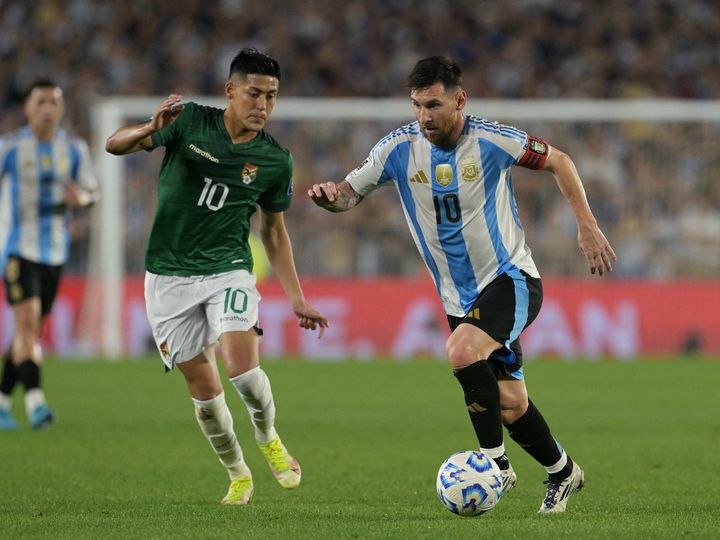
Messi Set to Play His Final World Cup — When Will La Pulga Retire?
-
World Cup 2026 Fever Heats Up in Betun: Fans Debate Germany and Spain at Local Coffee Shops

-
World Cup 2026 Fever Sweeps Pontianak, But Strict Curfew Rules for Minors Still Apply!

-
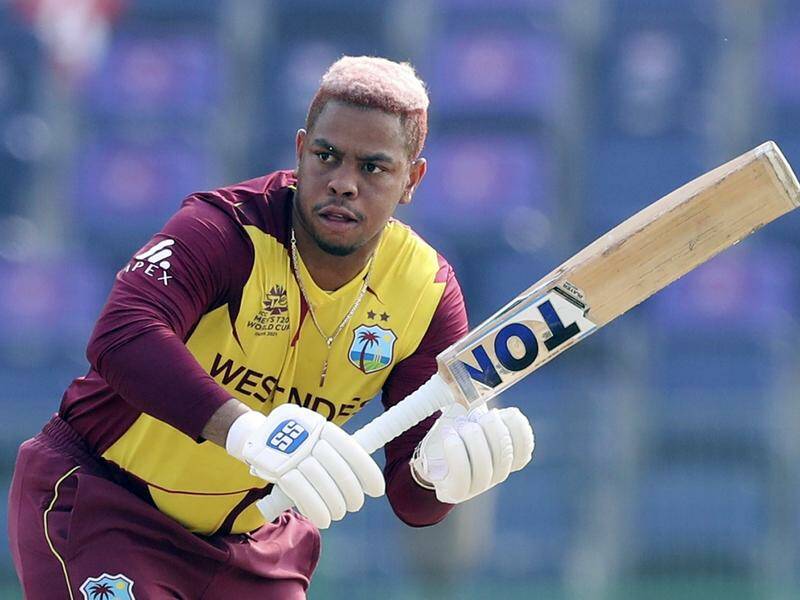
Shimron Hetmyer Returns as West Indies Announce ODI Squad for Sri Lanka Series