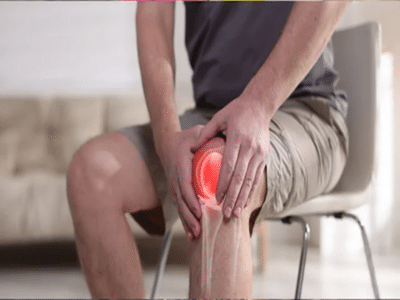
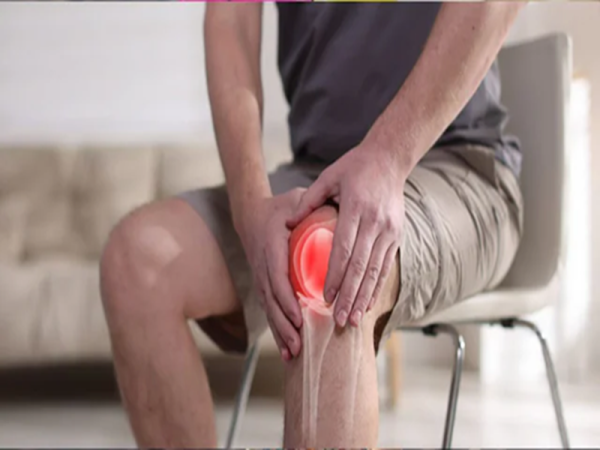
Arthritis and Swollen Feet: Arthritis is a condition that causes pain, stiffness, and swelling in the joints. People commonly perceive it solely as a problem affecting the knees or hands; however, it can also impact the feet and ankles. Many patients experience swelling in their feet, a sensation of heaviness, and difficulty with mobility. According to health experts, arthritis-related swelling can interfere with normal daily activities and may worsen over time.

Dr. Anil Bansal, a Senior Physician and former President of the Delhi Medical Association, explains that in cases of arthritis, the body's immune system—or the inflammation occurring within the joints—begins to affect the surrounding tissues. Consequently, fluid begins to accumulate within the joints, which can manifest as visible swelling in the feet, ankles, and toes. This issue is particularly prevalent among patients suffering from Rheumatoid Arthritis and Osteoarthritis. Prolonged periods of standing, walking, or engaging in physical activity can exacerbate this swelling.
The doctor noted that, in addition to swelling in the feet, arthritis patients may experience pain, warmth, redness, and stiffness in their joints. Joint stiffness upon waking in the morning is also a common symptom of arthritis. Some individuals may experience difficulty walking, trouble climbing stairs, or a sensation of heaviness in their legs. If the swelling persists or worsens rapidly, it is essential to consult a doctor. Arthritis patients are advised to maintain a healthy body weight, as excess weight places additional pressure on the joints.

According to experts, getting adequate rest is crucial for reducing swelling in the feet. Elevating the affected foot slightly above body level can help minimize the accumulation of excess fluid. Applying cold compresses can also be beneficial in managing both swelling and pain. Furthermore, medications should be taken strictly as prescribed by a doctor. Gentle exercises, stretching, and physiotherapy can help maintain joint mobility. A balanced diet, adequate water intake, and anti-inflammatory foods—such as fruits, vegetables, and Omega-3-rich foods—can also help reduce swelling. If the swelling in the legs suddenly worsens, is accompanied by severe pain, if the skin becomes red or feels warm, or if walking becomes difficult, you should consult a doctor immediately.
PC Social Media
-
FIFA Bans Refillable Water Bottles at 2026 World Cup Stadiums, Forcing Fans to Buy Packaged Water?

-
Eko Purdjianto Predicts Argentina Will Win the 2026 World Cup, Expects Final Clash Against Spain

-
These 7 nations have scored over 100 goals in FIFA World Cup history

-
Delhi: Building owner arrested after fire kills 21

-
Mumbai is worried about water, but its control over mainland dams is depriving others