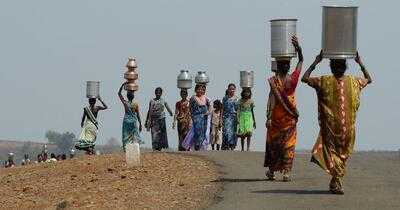
This summer, the Brihanmumbai Municipal Corporation implemented a 10% water cut from May 15 as levels in the seven lakes, which the city depends on, plummeted. The city had water for 45 days as of June 3, amid concerns over a weak monsoon season.
Mumbai’s water problems overshadow the situation in other cities in the Mumbai Metropolitan region. As Mumbai continues to draw heavily from shared regional resources, tankers and water shortages have become routine in neighbouring Vasai-Virar, Bhiwandi-Nizampur and Mira-Bhayandar.
Despite being located next to the dams that supply Mumbai city with water, many villages within the metropolitan region also continue to face routine shortages.
Ironically, Mumbai receives the highest per capita water supply in the Mumbai Metropolitan Region – well over 200 litres per capita per day. By contrast, Vasai-Virar gets 70 lpcd, Bhiwandi-Nizampur 100 lpcd, and Mira-Bhayandar 105 lpcd – well below the prescribed standard of 135 lpcd.
The continued scarcity is part of a larger story: how Mumbai city, without expanding its borders, redrew the map of water control around in ways that continue to shape who gets water – and who does not – for decades to come.
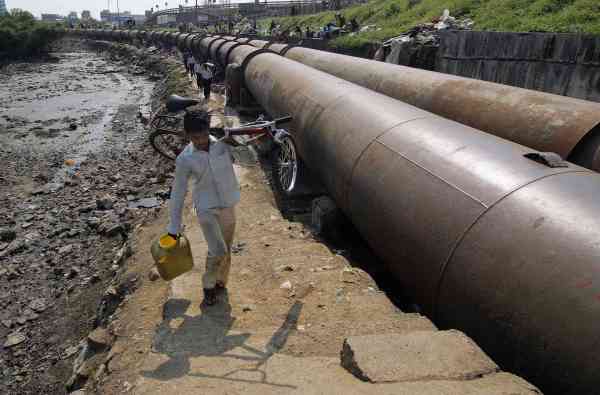 Where does Mumbai’s water come from?
Most of the water that Mumbai consumes comes from sources far...
Read more
-
Make hotel like soft and crispy sambar vada at home, people will praise after every bite, know the recipe
-
Kohli will not be able to play the series against Afghanistan
-
Why is BCCI removing Suryakumar Yadav, who won the T20 World Cup, from the captaincy?
-
IND vs AFG: Kohli out of Afghanistan series, suspense over Rohit Sharma’s play; Know the reason
-
Team India will play all three formats on New Zealand tour, BCCI announces schedule