
The football community is raising serious concerns about the treatment of teams at the FIFA World Cup, particularly directed at the Trump administration and FIFA's Gianni Infantino.
For example, upon their arrival in San Antonio, the Senegal national team was met by security personnel who conducted thorough searches, inspecting them from head to toe, including their footwear.
Similarly, the Uzbekistan team faced a welcome that included drug-sniffing dogs and metal detectors, raising questions about whether teams from Europe would ever experience such scrutiny.
Growing List of Discrimination
The list of individuals facing discrimination continues to expand, affecting fans, journalists, team officials, players, and even referees. Despite FIFA's claims of promoting world peace and combating racism, they have remained silent regarding the actions of the Trump administration.
FIFA's Shift in Stance
Reflecting back to 2017, when Trump first took office and imposed travel bans on several Muslim-majority nations, Infantino had firmly stated that any country hosting a FIFA event must allow entry to qualified teams and their supporters. He warned that failure to comply would result in losing the opportunity to host the World Cup.
However, as we approach 2026, the situation has drastically changed. The Trump administration's stricter immigration policies are undermining the essence of the World Cup, yet FIFA seems to have shifted its stance, treating Trump as a 'symbol of peace.' Reports indicate that individuals from countries like Haiti, Iran, Senegal, and Ivory Coast are facing significant travel restrictions.
Impact on Referees and Teams
Omar Abdul Qadir Artan was poised to become the first Somali referee at a World Cup but was denied entry into the U.S. FIFA's response was to refrain from interfering with the host country's immigration policies, asserting that it is America's prerogative to determine who can enter.
While Infantino promotes this event as the 'greatest sporting spectacle,' the reality is starkly different. The Iranian team faced visa denials for 15 officials, forcing them to relocate their training to Mexico and only allowing entry the day before their match.
Challenges for Players and Fans
Iraqi player Aymen Hussein, who played a crucial role in his team's qualification, was detained for seven hours at Chicago airport, while the Iraqi team's photographer was held for ten hours and subsequently denied entry. The South African team also faced delays due to visa complications.
Fans are expressing frustration over the exorbitant costs associated with this World Cup. Ticket prices have reached unprecedented levels, and accommodations are priced at a premium. Additionally, the visa application process has become increasingly burdensome, with fees reaching $185 and new requirements for deposits from visitors from certain countries.
Environmental Concerns
Experts are also sounding alarms about the environmental impact of the U.S. World Cup. FIFA had previously committed to reducing carbon emissions by 50% by 2030 and achieving net-zero by 2040. However, the scale of this tournament, spanning three countries, threatens to derail those objectives.
A report estimates that the event will produce approximately 9 million tonnes of carbon dioxide equivalent, nearly double the average emissions from the last four World Cups, highlighting a troubling aspect of this grand event.
-
How to Own a 2026 World Cup Souvenir Worn by Erling Haaland, Lamine Yamal and Others

-
Liverpool face major transfer setback as young prodigy Kennet Eichhorn chooses Bayer Leverkusen over Anfield move
-
Sandro Tonali’s Dream Return Faces Setback as Manchester United Monitor Situation
-
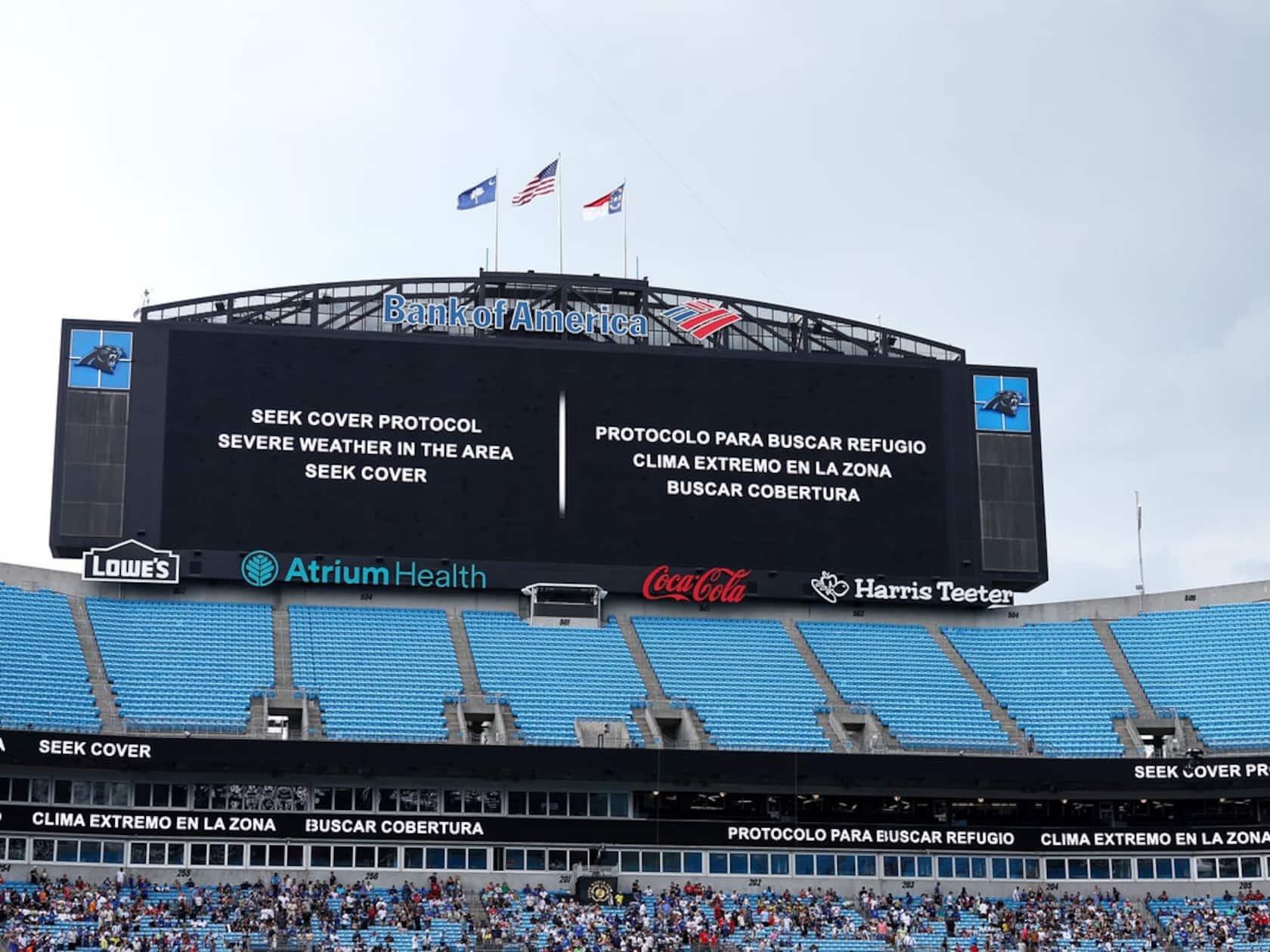
Lightning Strikes Could Cause Major Delays During World Cup Matches
-
'The money was unbelievable!' – Bayern Munich star Joshua Kimmich reveals he nearly joined PSG under Luis Enrique after being told he could leave by club chiefs