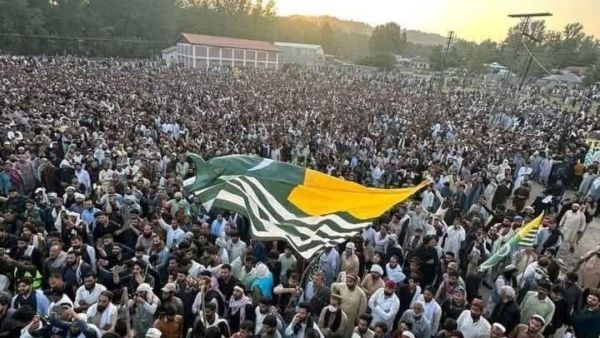
In Pakistan-occupied Jammu & Kashmir (PoJK), a day after crowds raised slogans demanding freedom from Pakistani and Chinese occupation, protesters in Rawalakot escalated their rebellion by declaring Pakistani Prime Minister Shehbaz Sharif, Field Marshal Asim Munir, PoJK Prime Minister Faisal Mumtaz Rathore and President Asif Ali Zardari as “Qalandam” (terrorists).
Addressing the gathering, leaders of the Awami Action Committee said that even the tribal groups that forcibly occupied PoJK in 1947 and seized land are now standing alongside the protesters and participating in the movement. They added that, for the first time, the agitation was receiving support from Jammu, Gilgit-Baltistan and Ladakh.
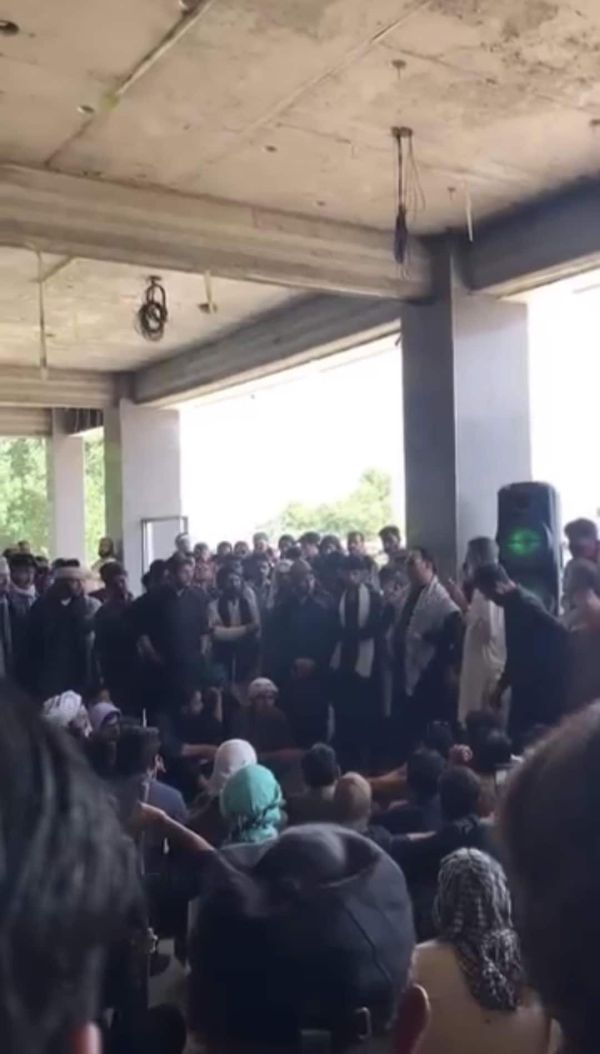
Issuing a warning to Pakistan's oppressive regime, the Awami Action Committee declared that “this is not Sindh, Balochistan or D-Chowk; this is Kashmir, where if one body falls, millions come onto the streets.”
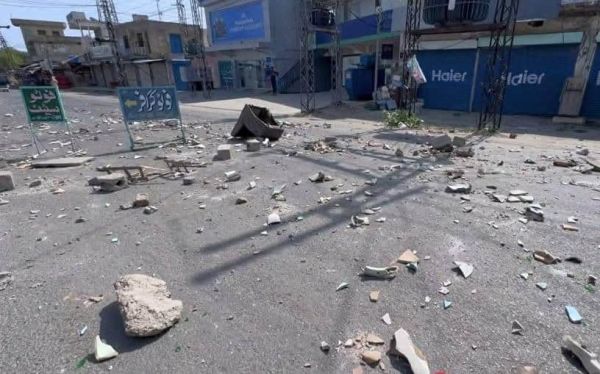
According to the latest figures, 53 people have been killed since last Friday, yet protesters remain entrenched in Rawalakot, refusing to back down and maintaining an openly defiant stance against the Pakistani government and military.
Divisions Emerge Within Protest Leadership
At the same time, divisions within the Awami Action Committee have become increasingly visible.
While Sardar Aman Khan and Khawaja Mehran have adopted an openly rebellious position, demanding PoJK's independence from Pakistan's occupation and calling for a direct confrontation with the Pakistani military, Umar Nazir and Shaukat Nawaz Mir are pursuing a softer approach, seeking negotiations with Pakistani authorities over the protesters' demands.
Two Key Demands At The Centre Of The Deadlock
Two key demands remain at the centre of the deadlock.
The first concerns the 12 so-called refugee seats in PoJK's political structure, which protesters want abolished.
The second relates to the oath taken by elected representatives. Protesters are demanding that the pledge of loyalty to Pakistan be removed and replaced with an oath of loyalty to the unity and integrity of Jammu and Kashmir, arguing that PoJK is not a part of Pakistan.
As demonstrations continue, Rawalakot remains the epicentre of a growing anti-Pakistan uprising, with protesters challenging both Islamabad's authority and the Pakistani military's control over the region.