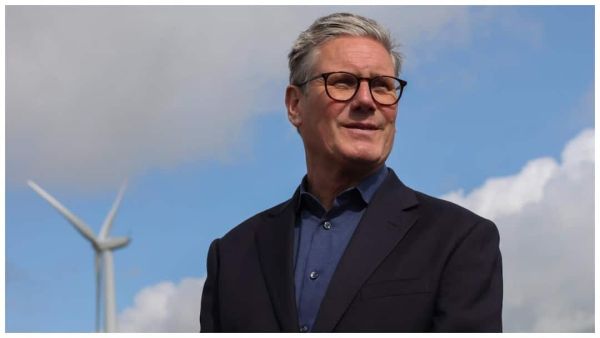
Keir Starmer's resignation as UK prime minister less than two years after leading Labour to a landslide election victory has sparked intense debate over what went wrong. Having entered Downing Street in July 2024 with a commanding parliamentary majority, Starmer appeared well-positioned to reshape British politics. Yet despite delivering on several traditional Labour priorities and maintaining a strong international profile, he struggled to convince voters that meaningful change had arrived. A combination of political missteps, policy reversals and broader economic frustrations steadily eroded public confidence, ultimately bringing his premiership to an abrupt end.
The Eight Problems That Undermined Starmer
Perhaps the most damaging criticism was that Starmer failed to articulate a compelling political project. His technocratic style created an impression of competence but not inspiration.
Although Labour promised change in 2024, many voters felt little difference in their daily lives, fuelling disappointment and frustration.
Despite Labour's huge parliamentary majority, the party secured only 33.7% of the popular vote, leaving its support base less secure than the seat count suggested.
The decision to cut winter fuel payments for all but the poorest pensioners quickly became politically toxic and alienated many older voters.
Who Replaces Keir Starmer As UK PM? Burnham, Mahmood Among Contenders
U-Turns, Costs and Political Fallout
Attempts to reduce the welfare bill triggered strong opposition and eventually forced the government into an embarrassing retreat.
The reversals on welfare and pension policies created an image of indecision, becoming one of the defining features of Starmer's administration.
The appointment of Peter Mandelson as ambassador to Washington later became a political headache following revelations linked to the Jeffrey Epstein files, raising questions about judgement within government.
While Labour increased the minimum wage and strengthened employment rights, many households continued to feel financially squeezed. For many voters, the promised economic improvement simply did not materialise.
The consequences became evident during the 2026 local elections, when Labour suffered major setbacks while Reform UK surged ahead. Growing concern among Labour MPs about Nigel Farage's rising influence eventually weakened Starmer's position within his own party.
Despite his domestic struggles, Starmer's supporters point to achievements on the international stage, including support for Ukraine, recognition of a Palestinian state and efforts to keep Britain out of wider conflicts. Whether history judges him as a serious reformer or as the leader who paved the way for a populist resurgence will depend largely on what comes next.
Six PMs in 10 Years: Keir Starmer Resigns, UK's Search For Seventh Leader Since Brexit Begins
-
If there is a fire in the house, the ‘villain’ is the smart door lock! Keep these things in mind when in danger

-
Numerology: People of these radix numbers sacrifice their lives in love, is your number also included?

-
Favorite dry fruits can also cause harm, Ayurveda expert told the right way to consume them in summer.

-
Houseflies To Foul Odour, Cyberabad Food Safety Teams Flag Hygiene Issues At Hyderabad Restaurants

-
Are you troubled by cold, cough and fever as the weather changes? These 5 home remedies will provide relief