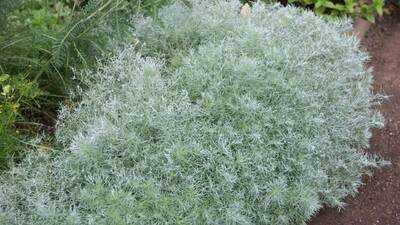
A bare patch of soil rarely stays bare for long. Weeds move in, moisture escapes, and borders can look unfinished even when the rest of the garden is thriving. Ground cover plants solve several of those problems at once. Chosen well, they spread steadily, knit planting schemes together and bring colour, texture or structure to spaces that might otherwise be overlooked.
According to theground cover plants are invaluable additions to a garden, noting that many create dense foliage that helps suppress weeds and reduces opportunities for unwanted seedlings to establish. Some thrive in the sun, others in the shade, and together they offer solutions for almost every corner of a yard. The following award-winning selections are among the quickest ways to create lasting coverage while adding character to the landscape.
Best fast-growing ground cover plants for reliable coverage
1. Hosta ‘Francee’
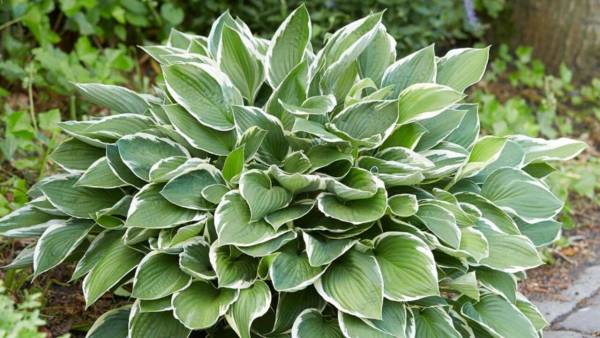
A mature planting of Hosta ‘Francee’ can transform a shaded border surprisingly quickly. Its broad green leaves, edged in crisp white, overlap as the clump expands, creating a dense canopy close to the soil. That thick foliage leaves little room for weeds to emerge and gives woodland-style plantings a settled appearance. Once established, it gradually widens each year and works particularly well when planted in groups.
2. Oak fern
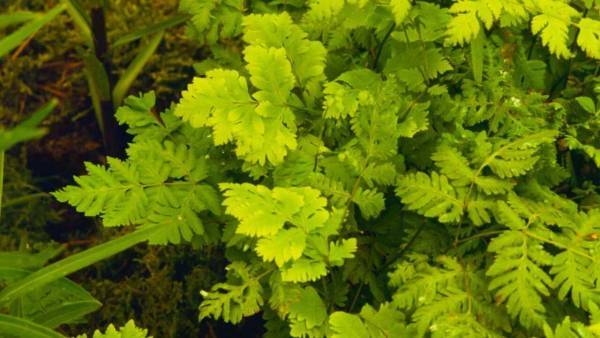
Oak fern has a lighter touch than many spreading ground covers, yet it can cover considerable ground over time. The delicate triangular fronds weave through shady spaces and gradually form loose colonies beneath trees and shrubs. Rather than dominating a border, it fills gaps between larger plants with fresh green texture. In woodland gardens, it often creates the impression that it has always been there.
3. Geranium renardii
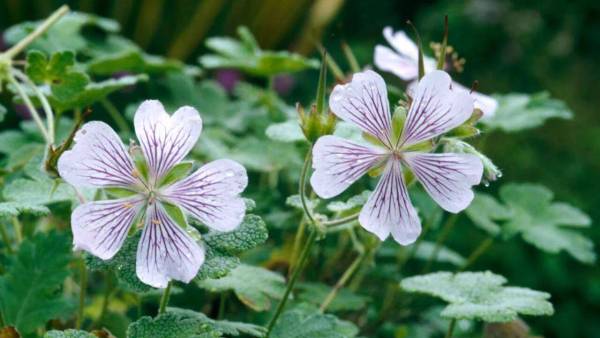
Many hardy geraniums are dependable spreaders, but Geranium renardii earns attention for its distinctive foliage. The softly textured grey-green leaves build into a broad mound that remains attractive long after flowering has finished. Given a sunny position and reasonably well-drained soil, it expands steadily and softens the edges of paths and borders. The pale flowers are an added feature rather than the main attraction.
4. Calluna vulgaris ‘Wickwar Flame’
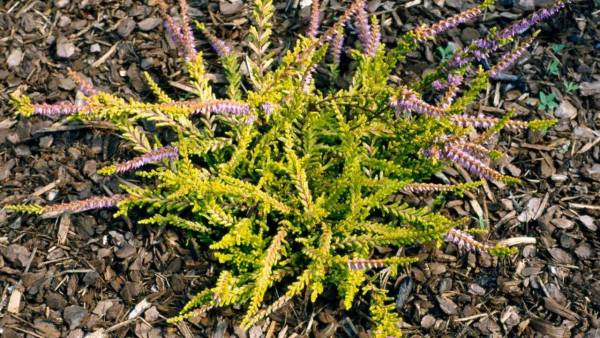
For gardeners seeking year-round coverage, this heather offers a practical option. It develops into a low, spreading evergreen layer that remains colourful across the seasons. Bright golden foliage dominates through warmer months before shifting towards fiery orange and red shades as temperatures fall. The plant also carries clusters of small flowers later in the year, bringing another layer of interest without sacrificing its ground-covering role.
5. Brunnera macrophylla ‘Jack Frost’
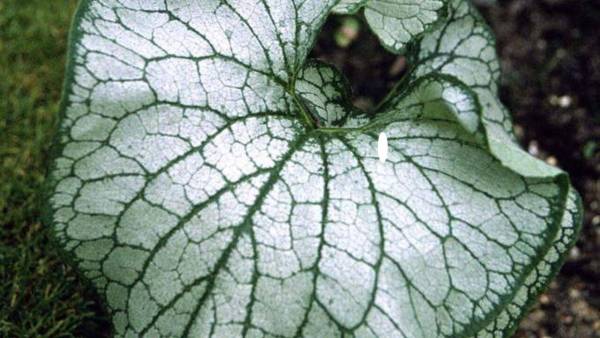
Shade gardens often rely heavily on green foliage, which makes ‘Jack Frost’ particularly striking. The silver-toned leaves brighten darker corners and gradually form substantial clumps that occupy space effectively. Once rooted in, the plant copes well with conditions that challenge many other ornamentals, including dry shade. In spring, sprays of blue flowers appear above the foliage, though the leaves remain the main attraction.
6. Bergenia purpurascens var. delavayi
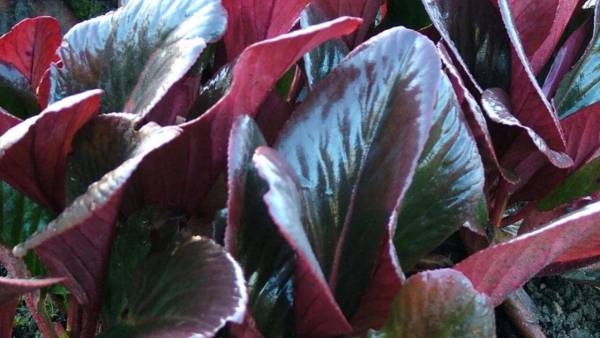
Bergenia has long been valued for its ability to spread into dense colonies, and this variety adds unusual colour to the mix. Large leathery leaves emerge fresh green before taking on richer bronze and purple tones through colder weather. The foliage stands fairly upright, yet the plant still forms a substantial covering layer. Bright pink flower clusters arrive in spring and contrast strongly against the darker leaves.
7. Asarum europaeum
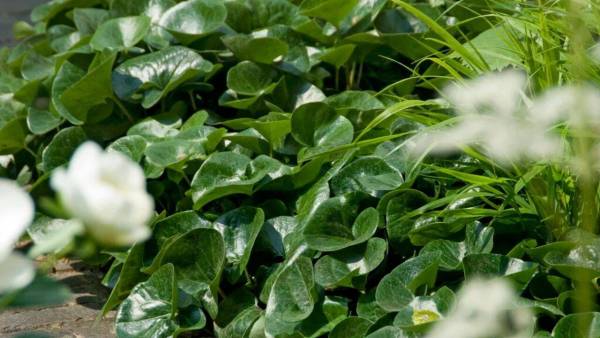
Not every ground cover needs bold flowers or dramatic foliage. Asarum europaeum creates its effect through consistency and texture. The glossy, heart-shaped leaves overlap tightly and form a smooth carpet that remains attractive throughout much of the year. It is particularly useful in shaded positions where other plants struggle to establish dense coverage. The flowers stay hidden beneath the leaves and are often noticed only by observant gardeners.
8. Artemisia schmidtiana ‘Nana’
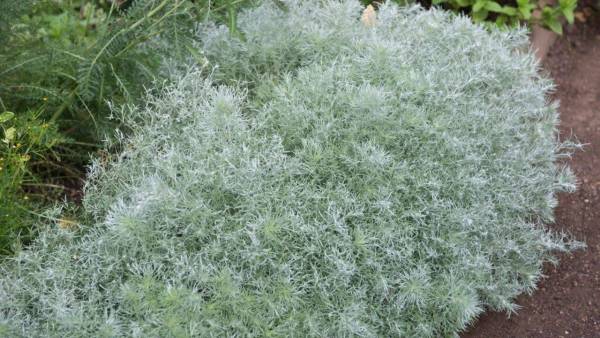
Dry, sunny areas can be difficult to fill, especially when soil conditions are poor. Artemisia schmidtiana ‘Nana’ handles those situations comfortably. Its finely divided silver foliage spreads outward to create a low mat that reflects light and contrasts well with greener neighbours. The plant's compact habit allows it to fit neatly around bulbs, rocks and gravel plantings while still covering exposed soil effectively.
9. Juniperus squamata ‘Blue Carpet’
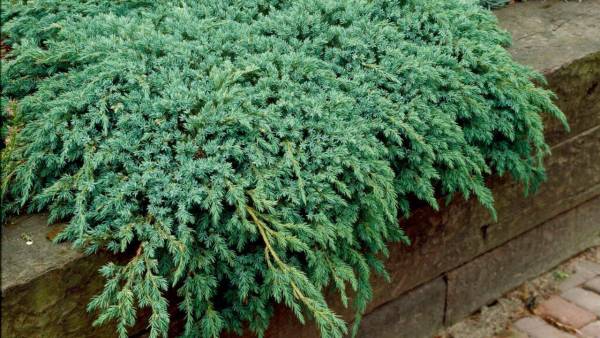
This low-growing juniper is one of the few ground covers that combines rapid horizontal growth with distinctive blue foliage. Branches extend close to the ground, gradually forming a dense evergreen layer that remains present throughout the year. The needle-like leaves bring an unusual blue-green tone to borders and slopes. Because of its spreading nature, it is often used where larger areas need covering relatively quickly.
10. Pachysandra terminalis ‘Variegata’
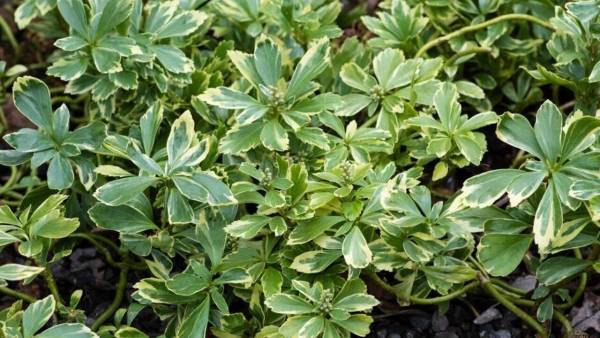
Pachysandra is widely appreciated for its ability to create solid evergreen coverage beneath trees and in shaded beds. This variegated form introduces creamy white leaf margins that brighten areas where colour can be scarce. Creeping stems gradually connect to form a continuous mat, helping reduce open soil between plantings. Small flower spikes appear in early summer, though the foliage remains the plant's defining feature throughout the year.
-
‘Desi secret’ to keep kidneys and liver clean from inside after 30! Doctor told about 5 foods

-
Makeup tips in rainy season: Know special methods to last longer

-
JCPenney shoppers snap up deals as store prepares to shutter across US

-
Tax Calendar: Complete these income tax related tasks in July, note down 6 important dates, see news

-
Will Raghav Chadha become the new Chief Minister of Delhi? This prediction of a famous astrologer created a stir in political circles.