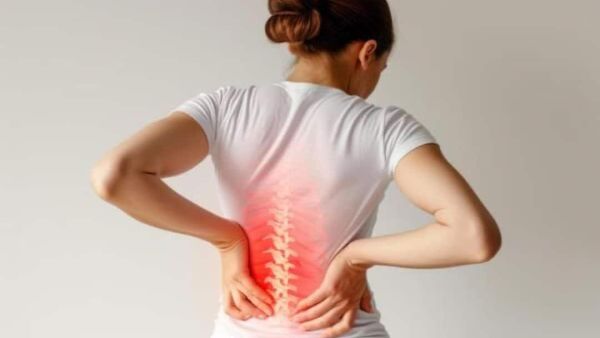
Persistent body pain should never be disregarded, according to health professionals, even though a painful back after a long day or a stiff neck from a desk job may appear harmless. Recurrent aches are frequently attributed to stress, insufficient sleep or a busy lifestyle by many women in their 30s. However, these symptoms may occasionally indicate underlying medical issues that need to be treated, such as hormonal shifts or dietary inadequacies. Over 1.7 billion individuals worldwide suffer from musculoskeletal problems, which have a substantial negative influence on quality of life, according to the World Health Organization (WHO). Early detection of persistent pain, according to doctors, can help avoid long-term problems.
5 Types Of Body Pain Women Experience
1- Shoulder and Neck Pain: Among the most common causes of neck and shoulder pain are prolonged computer use, regular smartphone use and bad posture. Additionally, stress can cause muscles to stiffen, which can lead to tension headaches and stiffness.
2- Pain in the lower back: One of the most frequent reasons women seek medical attention is lower back pain. Poor posture, extended sitting, weak core muscles, obesity and improper lifting of large objects are common causes, according to the Mayo Clinic. Back discomfort can also be brought on by diseases like endometriosis or kidney problems in certain women.
3- Pain and stiffness in the joints: Arthritis, vitamin deficiencies, or repetitive strain can all cause pain in the knees, wrists, fingers or ankles. Rheumatoid arthritis and other autoimmune illnesses affecting the joints are more common in women than in men.
4- Regular migraines or headaches: Some of the most frequent causes of migraines are still hormonal changes, dehydration, stress and sleep deprivation. Women have migraines more frequently than men, according to the UK National Health Service (NHS), since hormonal fluctuations might affect headache patterns.
5- Severe menstrual cramps or pelvic pain: Persistent or severe pelvic pain should never be disregarded, even though minor monthly discomfort is usual. According to the American College of Obstetricians and Gynecologists (ACOG), endometriosis, uterine fibroids, ovarian cysts and pelvic inflammatory disease are among the most common reasons and frequently necessitate medical evaluation.
What Causes Persistent Body Pain?
Recurring discomfort rarely has a single cause, according to experts. Muscles and joints are continuously stressed by sedentary lifestyles, bad posture, repetitive motions, and extended screen time. Vitamin D, calcium, iron and vitamin B12 deficits in particular can weaken bones and muscles, making pain and exhaustion more likely. Pain sensitivity may also be impacted by hormonal changes that occur during menstruation, pregnancy, and the perimenopause. Proper diagnosis is crucial since chronic pain can sometimes indicate inflammatory problems, thyroid disease or autoimmune disorders.
How Can Body Pain Be Prevented?
To lessen back and neck discomfort, doctors advise utilising an ergonomic workplace and keeping proper posture throughout the day. Frequent exercise enhances muscle strength, flexibility and joint stability. Examples of this include walking, strength training, and stretching. Bone and muscular health is supported by a balanced diet high in protein, calcium, iron, vitamin D and vitamin B12, while recovery is aided by getting seven to nine hours of sleep every night and drinking enough water. Additionally, because persistent stress can lead to headaches and tense muscles, the Cleveland Clinic advises controlling stress through practices like yoga, meditation or mindfulness.
Know When Persistent Pain Needs Medical Attention
While occasional aches are common, chronic or recurrent pain should not be disregarded. If your discomfort persists for longer than two to four weeks, keeps coming back or interferes with your everyday activities, consult a physician. The UK National Health Service (NHS) states that if discomfort is accompanied by swelling, numbness, fever, unexplained weight loss, weakness, excessive menstrual flow or abnormalities in bowel or bladder function, immediate medical intervention is required. Conditions like arthritis, endometriosis, thyroid issues and dietary deficiencies can be detected early on and treated before they worsen.
Disclaimer: The information provided in the article is intended for general informational purposes only. It is not a substitute for professional medical advice, diagnosis, or treatment. Always seek the advice of your physician or other qualified healthcare provider with any questions you may have regarding a medical condition.
-
Blazer, corset and a dash of style, Kareena Kapoor’s latest look goes viral, become a style icon by recreating it like this

-
What happens if you eat fennel sugar candy after eating?

-
These frequent habits in the body can be signs of cancer, be alert in time or else… experts have given an alert

-
WhatsApp will soon let users connect without revealing phone numbers

-
Big update for WhatsApp users! Username Reservation service started, know how to book