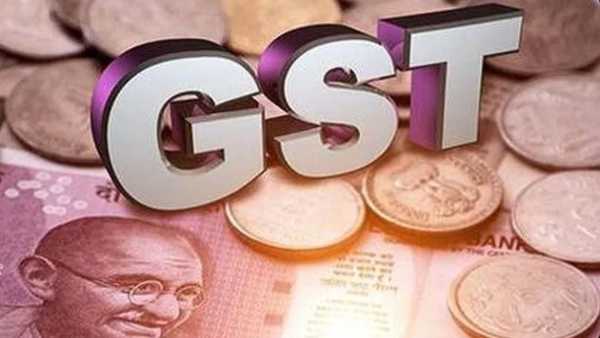
goods and services Tax
The Goods and Services Tax (GST), which came into effect on July 1, 2017, has completed nine years today. It is counted among the biggest tax reforms of India after independence. Before the implementation of GST, VAT, excise duty, service tax and many other types of state level taxes were applicable in the country. GST combined all these into one system and created a uniform indirect tax system for the entire country. In the initial phase, businessmen faced difficulties in adopting the new system, but with time, continuous improvements were made in it and now it has become a strong part of the country's economy.
Both tax collection and taxpayers increased
Today there are more than 1.65 crore GST registered taxpayers in the country. After the implementation of GST, more than 192.73 crore returns have been filed so far, while more than 778 crore e-way bills have been issued. GST collection is also continuously increasing. Net GST collection in June 2026 was Rs 1.62 lakh crore, which is 11.2 percent more than last year. Whereas in April 2026, a record monthly GST collection of Rs 2.42 lakh crore was recorded. These figures show that the tax base is continuously strengthening.
Confidence of businessmen increased
According to Deloitte India's GST@9 survey, more than 99 percent of companies have described their experience with GST as positive or normal. The negative feedback is almost gone. Experts say that the changes made in the rules by the GST Council from time to time have increased the confidence of businessmen. Grant Thornton Bharat believes that GST has played an important role in increasing transparency in the tax system, formalizing the economy and turning the entire country into a common market.
Big expectations from the next GST Council meeting
Now the eyes of the industry are on the next meeting of the GST Council. The council has not met since August 2025. Tax experts believe that in the next meeting, important decisions can be taken like simplifying the rules related to Input Tax Credit (ITC), removing the problem of inverted duty structure and simplifying the compliance process for small businessmen. Apart from this, emphasis is also expected to be on better coordination of GST return and e-way bill system, further strengthening of digital processes and effective operation of GST Appellate Tribunal.
Experts say that in the last nine years, GST has given a new identity to the Indian tax system. Now there is a need for such reforms which will simplify the rules for businessmen, resolve tax disputes faster and make doing business in the country easier than before.


-
Vaibhav Sooryavanshi Snub Sparks Calls To Revive MS Dhoni-like Rotation Policy

-
Shardul Thakur Breaks Silence On Gautam Gambhir-Led Management During England Tour

-
Algeria's parliamentary vote raises questions on real change

-
Government Plans Ethanol Blending in CNG: Good News or Bad for Your Vehicle?

-
When the curtain fell on an era: Remembering Vijaya Mehta