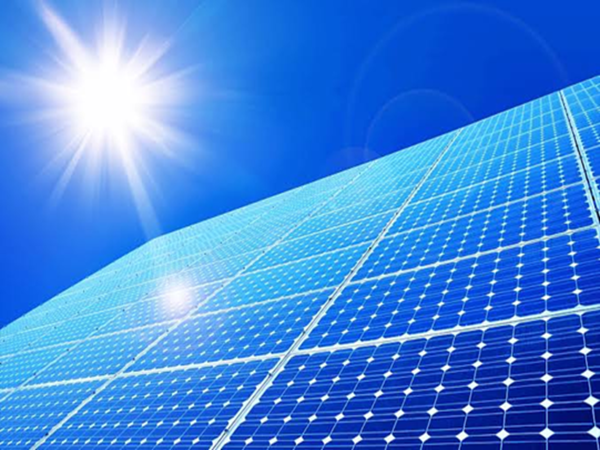
Do you also think that all solar panels available in the market are the same and that installing just any of them will reduce your electricity bill to zero? If so, you are mistaken. Installing solar panels is a significant, long-term investment.
If you install panels of poor or outdated quality without proper information, you could end up wasting your money. In reality, there are three main types of solar panels: monocrystalline, polycrystalline, and thin-film. Let’s understand the differences between them and determine which option is best for your home.
Monocrystalline Solar Panels
When it comes to maximum electricity generation, monocrystalline panels are considered the best. Their key features include:
Identification: They are dark black in color and have a uniform appearance.
Composition: They are made from a single crystal of pure silicon.
Performance: They have the highest electricity generation capacity.
Advantage: They perform excellently even in low sunlight, cloudy weather, or extreme heat.
Price: They are slightly more expensive than other panels, but they offer the best value in the long run.
Polycrystalline Solar Panels
These panels were widely installed in homes before 2020, but the demand for them has dropped significantly since then. Their key features include:
Identification: They are bright blue and feature a distinct square-grid pattern.
Composition: They are made by melting together multiple fragments of silicon.
Performance: Their electricity generation capacity is lower than that of monocrystalline panels.
Should you buy them? No. Even though they might be cheaper, they are considered outdated technology today. It is better to skip them if you want high electricity output.
Thin-Film Solar Panels
As the name suggests, these panels are extremely thin and very lightweight.
Key Features:
Construction: They are approximately 350 times thinner than standard panels and are made from materials like Cadmium Telluride (CdTe) or CIGS.
Performance: They have the lowest electricity generation capacity.
Usage: They are not designed for residential use; instead, they are used on vehicles, boats, or commercial sheds where the roof cannot support heavy loads.
Which solar panel should you choose?
If you are planning to install solar panels on the roof of your home, shop, or office, you should undoubtedly choose monocrystalline solar panels.
Why choose monocrystalline?
High power output in limited space: Even if your roof is small, these panels generate more electricity.
Reliable performance in all weather: They outperform other types during winter, summer, and the rainy season.
Value for money: Although they may seem slightly expensive initially, they quickly recover the investment cost by generating more electricity.
Disclaimer: This content has been sourced and edited from Amar Ujala. While we have made modifications for clarity and presentation, the original content belongs to its respective authors and website. We do not claim ownership of the content.
-
Nadoo In Gurugram Feels Like A South Indian Home Away From Home

-
Vivo Pad 5c Launched: Vivo’s new tablet launched with 10,000mAh battery and 144Hz display, know the price
-
Controversy over WhatsApp Username feature, big statement from the company after government’s strictness

-
England vs India first T20I abandoned due to rain – Tezzbuzz

-
IND vs ENG: Rain spoiled the excitement, match canceled before England started batting.