Volufiline: Filler in a bottle?
ETimes | July 8, 2026 4:40 PM CST

Have you been thinking about getting fillers but are hesitant to take the plunge? A viral skincare ingredient called Volufiline is being touted online as a topical solution for plumper skin. Social media creators have even dubbed it as a “filler in a bottle”, claiming it can replace injectable fillers. As demand for youthful, hydrated skin grows, the ingredient has found its way into countless skincare routines. We spoke to dermatologists to separate fact from hype.
What is Volufiline?Volufiline is a trademarked cosmetic active derived from the plant Anemarrhena asphodeloides. It is formulated with hydrogenated polyisobutene, an emollient that smoothens the skin and locks in moisture, along with sarsasapogenin, a plant-derived compound believed to contribute to its plumping effect.
The ingredient is not sold directly to consumers. Instead, cosmetic manufacturers incorporate it into serums, moisturisers and under-eye products.
What is driving its popularity
People are discovering Volufiline largely through social media. Dr Vijay Singhal, dermatologist, Sri Balaji Action Medical Institute, Delhi, says, “The ingredient is going viral because it is being marketed as a ‘filler in a bottle’ or a ‘topical filler’. Social media users are claiming fuller under-eyes, lips and cheeks without injections. It also taps into the growing demand for facial sculpting, anti-ageing and needle-free beauty solutions. Its affordability compared with injectables and ease of use at home have further fuelled its popularity.”
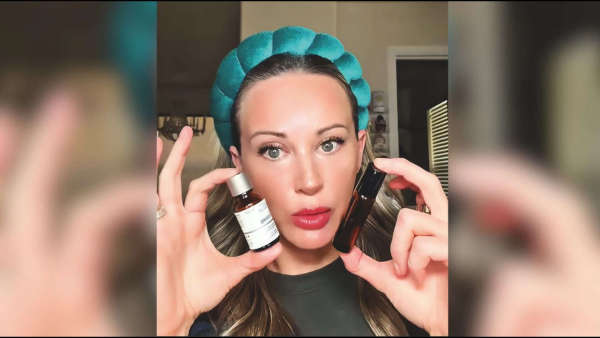
Though creators claim that Volufiline plumps the skin, Singhal tells us, “Well-proven humectants like glycerin and hyaluronic acid can provide a more reliable, immediate plumping effect. For long term skin quality, ingredients such as peptides, ceramides, niacinamide, and retinoids are more beneficial, as they support hydration, barrier repair, elasticity, and texture.
Despite its viral popularity, evidence on its effectiveness remains sparse. While small internal studies report slight volume increases in select applications, there is no robust, large, peer-reviewed evidence that it produces significant or lasting filler-like results on the face.
How it works on the skinat cells. Singhal explains, “It encourages lipid (fat) storage in the deeper layers of the skin. The plant-derived compound is believed to promote the maturation of fat cells and increase lipid accumulation, which may gradually give the skin a slightly fuller appearance.”
Dr Trishna Gupte, clinical cosmetologist and founder of Cosmo Square Clinic, Pune, who has also incorporated Volufiline into her own skincare routine , says, “The skin appears plumper a day after applying the product and feels more hydrated.” However, she adds that noticeable changes in facial volume, if any, require consistent use for two to three months. As for application, Dr Manisha Mareddy, dermatologist and founder of Shlok Dermatology & Wellness Clinic, Hyderabad, says, “Volufiline products can be used in the morning or at night, with or without a moisturiser, depending on the formulation. They are typically applied on the cheeks, under-eyes, nasolabial folds, lips and the temples.”
‘Calling it a filler replacement creates unrealistic expectations’Dermatologists strongly dispute the claim that Volufiline can replace injectable fillers. Singhal says, “Fillers are medical aesthetic treatments placed beneath the skin to restore structure, lift tissue and add measurable volume. Volufiline, on the other hand, is a topical cosmetic ingredient with limited penetration. It cannot physically reshape the face or replace lost facial fat in the same way. Calling it a filler replacement creates unrealistic expectations.”
Does it pose any risk?According to Mareddy, Volufiline is generally considered safe, with no major side effects reported in current studies. However, Gupte cautions that individual reactions may vary. “Some people may experience redness or irritation. Oil-based formulations may also trigger acne in acne-prone skin.”
What is Volufiline?Volufiline is a trademarked cosmetic active derived from the plant Anemarrhena asphodeloides. It is formulated with hydrogenated polyisobutene, an emollient that smoothens the skin and locks in moisture, along with sarsasapogenin, a plant-derived compound believed to contribute to its plumping effect.
The ingredient is not sold directly to consumers. Instead, cosmetic manufacturers incorporate it into serums, moisturisers and under-eye products.
What is driving its popularity
People are discovering Volufiline largely through social media. Dr Vijay Singhal, dermatologist, Sri Balaji Action Medical Institute, Delhi, says, “The ingredient is going viral because it is being marketed as a ‘filler in a bottle’ or a ‘topical filler’. Social media users are claiming fuller under-eyes, lips and cheeks without injections. It also taps into the growing demand for facial sculpting, anti-ageing and needle-free beauty solutions. Its affordability compared with injectables and ease of use at home have further fuelled its popularity.”
Though creators claim that Volufiline plumps the skin, Singhal tells us, “Well-proven humectants like glycerin and hyaluronic acid can provide a more reliable, immediate plumping effect. For long term skin quality, ingredients such as peptides, ceramides, niacinamide, and retinoids are more beneficial, as they support hydration, barrier repair, elasticity, and texture.
Despite its viral popularity, evidence on its effectiveness remains sparse. While small internal studies report slight volume increases in select applications, there is no robust, large, peer-reviewed evidence that it produces significant or lasting filler-like results on the face.
How it works on the skinat cells. Singhal explains, “It encourages lipid (fat) storage in the deeper layers of the skin. The plant-derived compound is believed to promote the maturation of fat cells and increase lipid accumulation, which may gradually give the skin a slightly fuller appearance.”
Dr Trishna Gupte, clinical cosmetologist and founder of Cosmo Square Clinic, Pune, who has also incorporated Volufiline into her own skincare routine , says, “The skin appears plumper a day after applying the product and feels more hydrated.” However, she adds that noticeable changes in facial volume, if any, require consistent use for two to three months. As for application, Dr Manisha Mareddy, dermatologist and founder of Shlok Dermatology & Wellness Clinic, Hyderabad, says, “Volufiline products can be used in the morning or at night, with or without a moisturiser, depending on the formulation. They are typically applied on the cheeks, under-eyes, nasolabial folds, lips and the temples.”
‘Calling it a filler replacement creates unrealistic expectations’Dermatologists strongly dispute the claim that Volufiline can replace injectable fillers. Singhal says, “Fillers are medical aesthetic treatments placed beneath the skin to restore structure, lift tissue and add measurable volume. Volufiline, on the other hand, is a topical cosmetic ingredient with limited penetration. It cannot physically reshape the face or replace lost facial fat in the same way. Calling it a filler replacement creates unrealistic expectations.”
Does it pose any risk?According to Mareddy, Volufiline is generally considered safe, with no major side effects reported in current studies. However, Gupte cautions that individual reactions may vary. “Some people may experience redness or irritation. Oil-based formulations may also trigger acne in acne-prone skin.”
READ NEXT
-
West Ham United secure signing of ex-Aston Villa striker Ebony Salmon

-
Ram temple funds row: Congress seeks SC-monitored probe

-
Rs 3.5 cr hero launch promise lands Telugu director in trouble

-
Tom Holland: No one brings energy like Indian audience

-
Can E20 Damage Your Car? Centre Answers FAQs On Price, Vehicle Safety