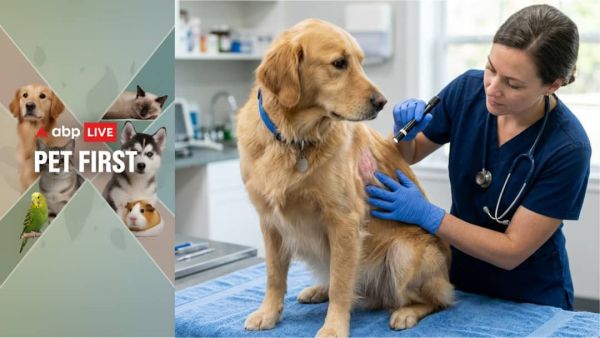
For many people, pets are not just animals but cherished members of the family. From greeting you at the door to being your constant companion, pets bring joy and comfort into our lives. But just like humans, they can also face health problems. One common issue that pet parents often overlook is fungal infection. If ignored, it can cause discomfort for your furry friend and may even spread to other pets or humans. Knowing the early signs can help you take timely action.
Common Signs Of Fungal Infection In Pets
Pets cannot tell us when something is wrong, but their body language and appearance often give important clues. Constant scratching, licking or biting of a particular area can be an early warning sign of a fungal infection. You may also notice redness, dry or flaky skin, unusual patches, bad odour, or hair loss. One of the most common fungal infections, ringworm, often appears as round patches where hair starts falling out and the skin becomes irritated. Ear infections caused by fungi may lead to frequent head shaking, itching around the ears and an unpleasant smell. If your pet seems uncomfortable, avoids touch or shows sudden changes in behaviour, it is worth paying attention.
Why Do Pets Get Fungal Infections?
Fungal infections are more common in warm and humid conditions, which is why cases often increase during the rainy season. Fungi grow easily in damp environments, and pets can pick them up through contact with infected animals, dirty surfaces, bedding or grooming tools. Pets that spend a lot of time outdoors, have weaker immunity or are not dried properly after baths can be more vulnerable. Poor hygiene, excessive moisture on the skin and irregular grooming can also create conditions where fungi multiply easily.
What Should You Do If Your Pet Shows Symptoms?
If you notice signs of a fungal infection, the best step is to consult a veterinarian instead of trying home remedies or using medicines meant for humans. The right treatment depends on the type and severity of the infection. A veterinarian may suggest antifungal medicines, special shampoos or topical treatments to help your pet recover. Along with treatment, keeping your pet’s bedding, toys and grooming items clean is important to prevent the infection from coming back. Pet owners should also maintain personal hygiene by washing their hands after handling an infected pet, as some fungal infections can pass between animals and humans.
Simple Ways To Protect Your Pet
Prevention is always better than cure when it comes to your pet’s health. Regular grooming, a clean living space, balanced nutrition and proper drying after baths can go a long way in reducing the risk of fungal infections. Make it a habit to check your pet’s skin, ears and paws regularly. Early detection not only makes treatment easier but also saves your pet from unnecessary discomfort. A little care and attention can keep your four-legged friend healthy, active and happy. After all, our pets depend on us to notice the changes they cannot express themselves.
[Disclaimer: The information provided in this article is intended for general informational purposes only. It is not a substitute for professional veterinary advice, diagnosis, or treatment. Always consult a qualified veterinarian regarding your pet’s health, diet, or any medical concerns.]
-
Manipur CM condemns arson in Kanto Sabal village

-
Kevin De Bruyne and Thibaut Courtois reflect on Belgium futures after World Cup exit, hint at possible retirement

-
Manchester City complete signing of 17-year-old Leicester winger after beating Arsenal to the deal

-
‘I was unknown’ – How 37-year-old Miami FC goalkeeper Eloy Room rose from free agent to Curacao’s record-breaking World Cup icon

-
Telangana officials asked to resolve ‘Saada Bainama’ land issues