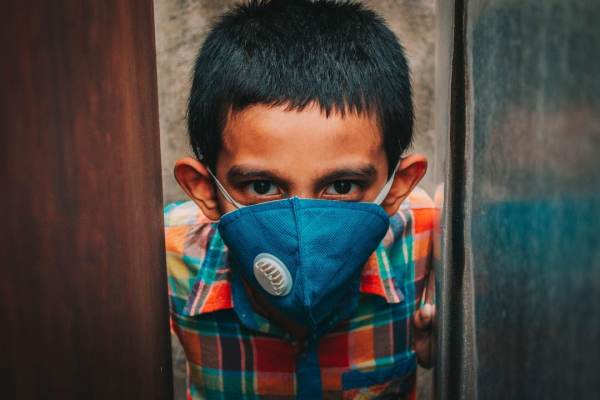
Fresh cases of the Chandipura virus in Gujarat have once again put health authorities on alert. According to reports, three children have died, prompting doctors to urge parents to stay vigilant, especially during the monsoon season. Although the virus is considered rare, it can progress rapidly in children and may affect the brain within a short span of time, making early diagnosis and treatment critical. Health experts say the infection may initially appear like a common viral fever, but in severe cases, it can quickly develop into acute encephalitis (brain inflammation), leading to life-threatening complications.
Why The Virus Is More Dangerous During Monsoon
The Chandipura virus is primarily transmitted through the bite of infected sandflies. According to the National Centre for Disease Control (NCDC), outbreaks have been reported in different parts of India over the years, with most cases occurring during the monsoon when sandfly activity increases. Doctors say the illness usually begins with high fever, headache, nausea, vomiting and extreme weakness. However, the condition can deteriorate rapidly as the virus attacks the brain. Children may develop persistent vomiting, seizures, confusion, unusual drowsiness, restlessness or even lose consciousness. In severe cases, patients can slip into a coma within 48 to 72 hours if they do not receive timely medical care. Because of its rapid progression, experts advise parents not to ignore high fever or sudden neurological symptoms in children.
Children Are At The Highest Risk
Doctors say children below the age of 15 are the most vulnerable because their immune and nervous systems are still developing. Parents should seek immediate medical attention if a child has a fever above 101°F (38.3°C), repeated vomiting, seizures, unusual behaviour, extreme sleepiness or becomes difficult to wake. Currently, there is no specific antiviral medicine or vaccine available for Chandipura virus. Treatment mainly focuses on supportive care, such as managing fever, seizures, dehydration and other complications. Early hospitalisation significantly improves the chances of better outcomes.
How To Protect Children From Chandipura Virus
As there is no targeted treatment, prevention remains the best defence. Since the virus spreads through infected sandflies, reducing exposure to insect bites is essential. Parents should ensure children wear full-sleeved clothing, especially during the evening, use age-appropriate insect repellents and sleep under insecticide-treated bed nets where necessary. Keeping homes and surroundings clean, disposing of garbage properly and preventing stagnant waste or damp breeding areas can also help reduce the sandfly population. Health experts advise parents to remain alert during the rainy season and seek medical care immediately if a child develops high fever along with neurological symptoms. Early diagnosis and prompt treatment can be lifesaving.
-
Everything Finally Falls Into Place For 3 Chinese Zodiac Signs The Week Of July 20 – 26, 2026

-
BSNL’s big bet: Country’s cheapest postpaid plan is available for just Rs 199, huge money will be saved every month.

-
Neil Rimer thinks the AI money is coming back out

-
Plugin Performance Impact On Websites: The Speed, The Steadiness, And The Whole UX

-
Big bang from Maruti, Toyota and Honda, 3 new cars will be launched in July –