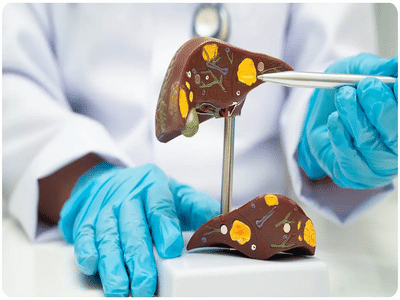
Fatty liver disease often develops silently, but recognising early symptoms and making lifestyle changes may help reduce the risk of complications
Fatty liver disease has become increasingly common among adults and younger people due to changing lifestyles, unhealthy eating habits and rising rates of obesity and diabetes. The condition develops when excess fat accumulates in liver cells, affecting the liver's ability to function normally.
In many cases, fatty liver disease causes no noticeable symptoms in its early stages, which is why it is often detected during routine health check-ups or imaging tests performed for other medical reasons. If left unmanaged, however, fatty liver disease may progress to liver inflammation, scarring (fibrosis), cirrhosis and, in some cases, liver failure.
Doctors say that maintaining a healthy lifestyle and identifying warning signs early can play an important role in preventing disease progression.
What Is Fatty Liver Disease?Fatty liver disease occurs when fat accounts for a significant portion of the liver's weight.
The condition is generally classified into two major types:
- Non-Alcoholic Fatty Liver Disease (NAFLD): Commonly associated with obesity, type 2 diabetes, high cholesterol, metabolic syndrome and an unhealthy lifestyle.
- Alcohol-Related Fatty Liver Disease (AFLD): Caused primarily by excessive alcohol consumption over time.
Both conditions require medical evaluation, although their causes and treatment approaches may differ.
1. Early Stages May Not Cause SymptomsOne of the biggest challenges with fatty liver disease is that many people experience no symptoms at all during the early stages.
The condition is frequently discovered during:
- Routine blood tests showing abnormal liver enzymes.
- Ultrasound examinations.
- Health screenings performed for other medical conditions.
Because symptoms may be absent, people with risk factors should consider regular medical check-ups.
2. Persistent FatigueFeeling unusually tired throughout the day can sometimes be associated with fatty liver disease.
People may notice:
- Low energy levels.
- Ongoing tiredness despite adequate sleep.
- Difficulty carrying out routine activities.
Persistent fatigue alone does not confirm liver disease, but it should be discussed with a healthcare professional if it continues.
3. Discomfort in the Upper Right AbdomenSome individuals may experience mild discomfort or a feeling of heaviness in the upper-right side of the abdomen, where the liver is located.
Symptoms may include:
- Dull pain.
- A feeling of fullness.
- Mild pressure below the right rib cage.
These symptoms can also occur with other medical conditions, making proper evaluation important.
4. General Weakness or Feeling UnwellFatty liver disease may occasionally cause a general sense of weakness or reduced physical stamina.
Some people report:
- Lack of energy.
- Feeling physically exhausted without a clear reason.
- Reduced ability to perform everyday activities.
Although these symptoms are non-specific, they should not be ignored if they persist.
5. Reduced AppetiteA noticeable decrease in appetite may also occur in some people with liver-related conditions.
If reduced appetite continues for several weeks or is accompanied by unexplained weight loss or abdominal discomfort, medical advice should be sought.
Why Early Detection MattersDetecting fatty liver disease early gives patients the opportunity to slow or even reverse fat accumulation through lifestyle changes, particularly in the early stages.
Without proper management, the condition may progress to:
- Liver inflammation (steatohepatitis).
- Liver fibrosis (scarring).
- Cirrhosis.
- Increased risk of liver-related complications.
People with obesity, diabetes, high cholesterol or a family history of liver disease are generally considered at higher risk and may benefit from regular medical screening.
Lifestyle Changes That May Support Liver HealthDoctors often recommend lifestyle modifications as the first step in managing fatty liver disease.
Healthy habits include:
- Eating a balanced diet rich in fruits, vegetables, whole grains and lean protein.
- Exercising regularly to maintain a healthy body weight.
- Reducing sugary drinks and highly processed foods.
- Limiting foods high in saturated fats and trans fats.
- Staying adequately hydrated.
- Following a consistent daily routine with sufficient sleep.
Even modest weight loss can help reduce fat accumulation in the liver for many individuals.
Habits That May Harm the LiverCertain lifestyle habits may increase the risk of liver damage over time.
These include:
- Excessive alcohol consumption.
- Frequent intake of deep-fried and high-fat foods.
- Sedentary lifestyle with minimal physical activity.
- Poor control of diabetes or high cholesterol.
- Ignoring persistent health symptoms without medical evaluation.
Avoiding these risk factors may help improve overall liver health.
When Should You Consult a Doctor?Medical advice should be sought if symptoms such as fatigue, abdominal discomfort, loss of appetite or unexplained weakness continue for an extended period.
Depending on your medical history and symptoms, a healthcare professional may recommend:
- Liver function tests (LFTs).
- Blood investigations.
- Ultrasound of the abdomen.
- Additional imaging or specialised liver assessments, if required.
Early diagnosis allows appropriate treatment and monitoring before serious liver damage develops.
ConclusionFatty liver disease often progresses silently, making regular health check-ups especially important for people with obesity, diabetes, high cholesterol or other metabolic conditions. While early symptoms may be mild or absent, recognising persistent fatigue, abdominal discomfort or appetite changes can encourage timely medical evaluation.
Maintaining a healthy weight, following a balanced diet, exercising regularly and limiting alcohol intake remain among the most effective ways to support liver health. Anyone experiencing ongoing symptoms should consult a qualified healthcare professional rather than relying on self-diagnosis or home remedies.
-
Why Did ICC Ban Pakistan's Mohammad Nawaz? Here's What Happened

-
Real Madrid Must Spend up to €250 Million to Land Michael Olise from Bayern Munich

-
Escalating Conflict: US Conducts Airstrikes on Iran for Seventh Night

-
Coimbatore Students Champion Anti-Drug Message with Football Installation

-
Empowering Women: The True Meaning of 'Apna Ghar' in Anupamaa