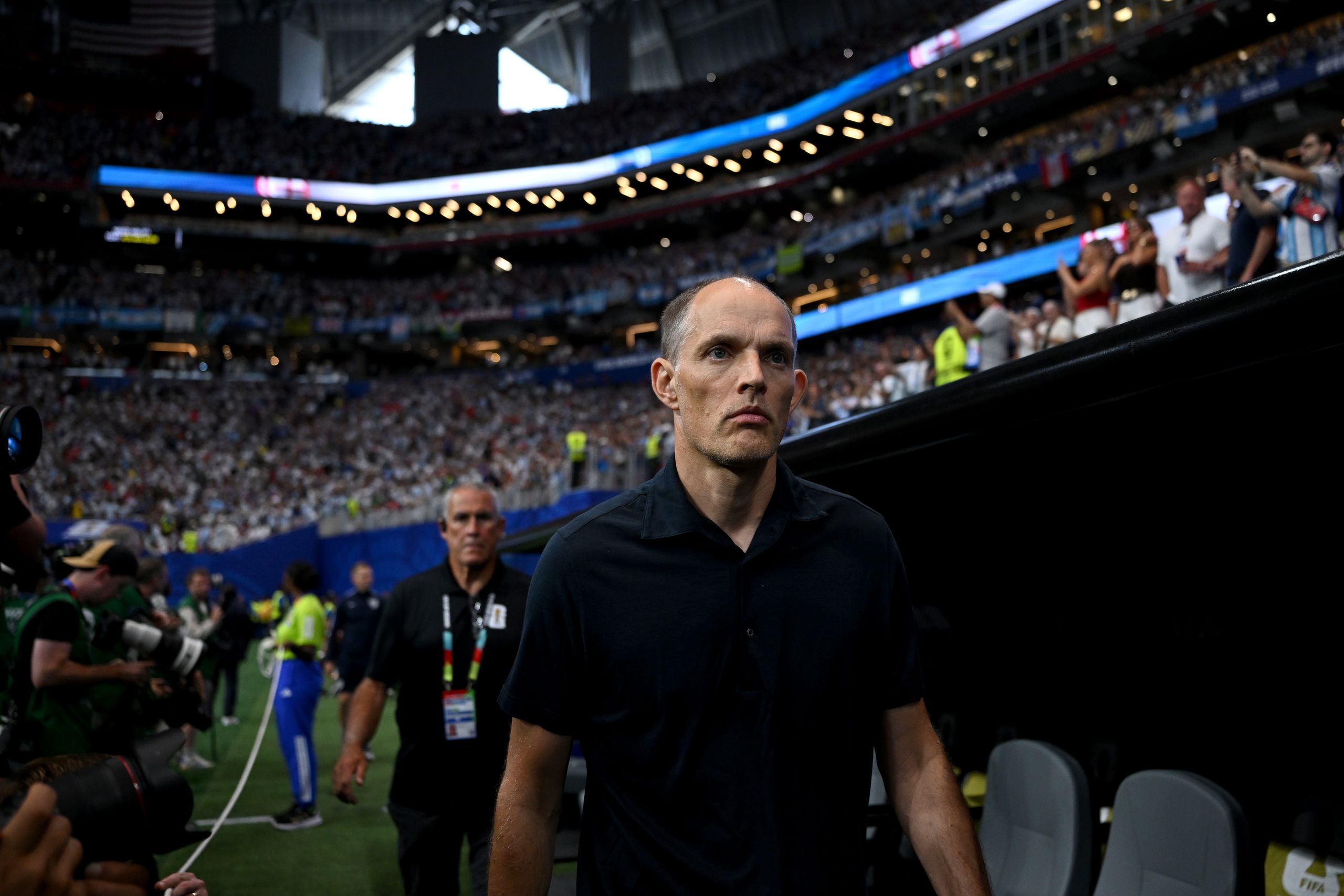
England never truly found their rhythm at the 2026 World Cup, and even reaching the semi-final felt somewhat beyond expectations.
Did no one at The Football Association notice how much Thomas Tuchel’s head resembles a certain vegetable? A bad omen, if ever there was one.
Still, with the post-mortem now underway, it’s worth remembering that the German shouldn’t carry the full burden of blame, even as others light their metaphorical torches. England entered the tournament giving off strong quarter-final vibes, yet found themselves with a winnable quarter-final tie that they managed to take after extra time.
The semi-final stage felt like uncharted territory for this group, and a place in the final would likely have been a step too far — certainly not as close as their Euro 2024 final appearance had been.
Across seven matches at the 2026 World Cup, England produced only two truly impressive halves of football: the second half against Croatia and the first against Mexico. Beyond those moments, it was difficult to feel genuinely excited about this side.
The most striking contrast between Tuchel and Gareth Southgate lay in their demeanour with the media — Southgate, the diplomat, versus Tuchel, the impatient stepfather.
“Sloppy, a lot of technical mistakes, not fast enough, not repetitive enough,” was Tuchel’s blunt verdict after England’s win over Norway. It’s hard to imagine Southgate ever voicing such criticism, let alone on live television — but this was quintessential Tuchel. Presumably, that candour was part of why he was hired: to bring a different energy, to not be Southgate.
While players like Pedro Porro, Marc Cucurella, Fabian Ruiz and Rodri pass with precision and rhythm, England’s counterparts tend to stumble through. Tuchel’s observation about England’s technical shortcomings, especially in midfield, was both accurate and troubling. The fault doesn’t lie with him; rather, it’s a product of systemic issues going back decades — long before his time coaching Stuttgart’s under-19s, when he’d only recently left bartending behind.
Tuchel arrived as England boss known for his hard-edged style and willingness to confront egos. At one point, it even looked like Jude Bellingham might be left out, while Trent Alexander-Arnold actually was. Tuchel’s assertive personnel decisions raised eyebrows, but the hope was that his tactical bravery would match his management style.
And for the most part, it did — until the 70th minute of England’s semi-final against Argentina. After Anthony Gordon scored England’s only goal of the game, the match entered a pivotal moment. From that point, failing to score a second felt more dangerous than conceding an equaliser. Against Mexico, England had been forced into a defensive shell due to Jarell Quansah’s red card, but against Argentina, this was a deliberate tactical choice. Substituting Ezri Konsa for Gordon was a move straight from the Southgate playbook. England fans once again experienced the sinking, familiar dread of second-half collapses — reminiscent of Croatia in 2018 and Italy at Wembley in 2021.
One might have expected England 2.0 to bring on Marcus Rashford for Gordon and perhaps Bukayo Saka on the right flank to unsettle Argentina further. Tuchel had been rotating both wingers throughout the tournament, so such substitutions would have fit his pattern.
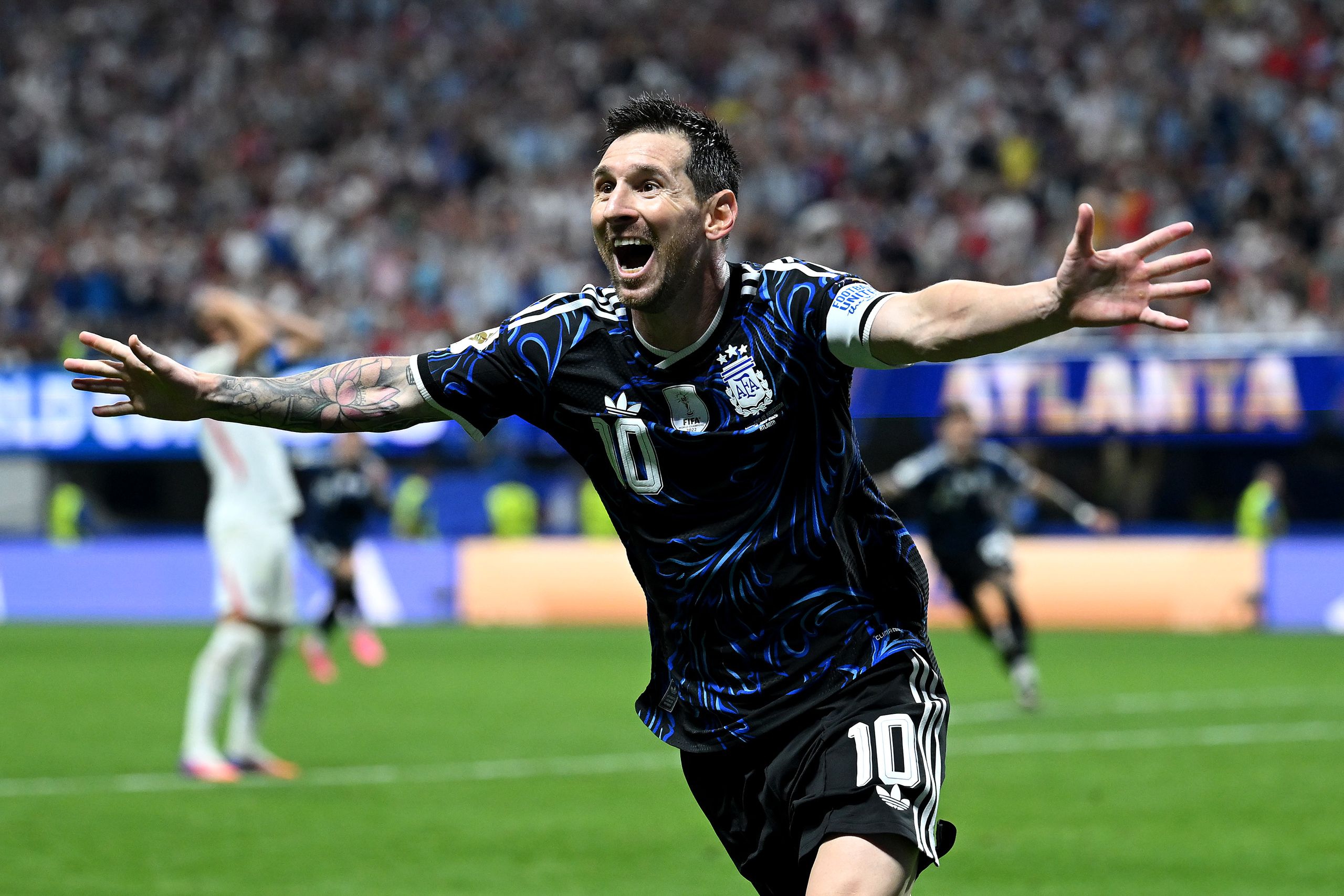
Yet Tuchel knows his squad better than anyone — and he knows they are not Spain. Apart from the second half against a distinctly average Croatia, England have rarely looked in full control of a match. Facing Lionel Messi in a World Cup semi-final is an entirely different proposition.
Did England ever truly look capable of extending their lead? They registered only seven touches in Argentina’s penalty area across the entire match, compared to Argentina’s 28 in theirs. Their expected goals figure stood at a meagre 0.53.
They didn’t seem like a side ready to score again, but as shown against Mexico, they could defend a lead — and that was the path Tuchel chose. With a place in the World Cup final at stake, his reasoning was at least understandable.
Ultimately, though, it proved to be the wrong call. We’ll never know whether bringing on Rashford and Saka would have changed the outcome, but after the heartbreaks of 2018 and 2021, England fans would have preferred to bow out knowing the team had at least tried to seize the game.
Thomas Tuchel shouldn’t be dismissed for this. He deserves the chance to learn from the tactical misstep. If he finds himself in a similar position again — as Southgate did in the Euro 2020 final — he will, one hopes, choose differently next time.
-
Strategic Shifts: The Managers Ushering in New Eras in the Roshn Saudi League

-
Liverpool nearing long-term contract renewal with Dominik Szoboszlai
-
Your Last Chance to Win £1,000 with Our Free World Cup Match Predictor
-
Investigation Unfolds Over Trump's Teleprompter Operator's Alleged Betting Scheme

-
Haldiram's opens in London: Here's how much chole bhature, pani puri, papdi chaat and pav bhaji cost in the UK; menu differs from India