An extended half-time interval during Sunday’s World Cup final could substantially raise the risk of player injuries and affect their overall performance on the field, a leading sports physiology expert has warned.
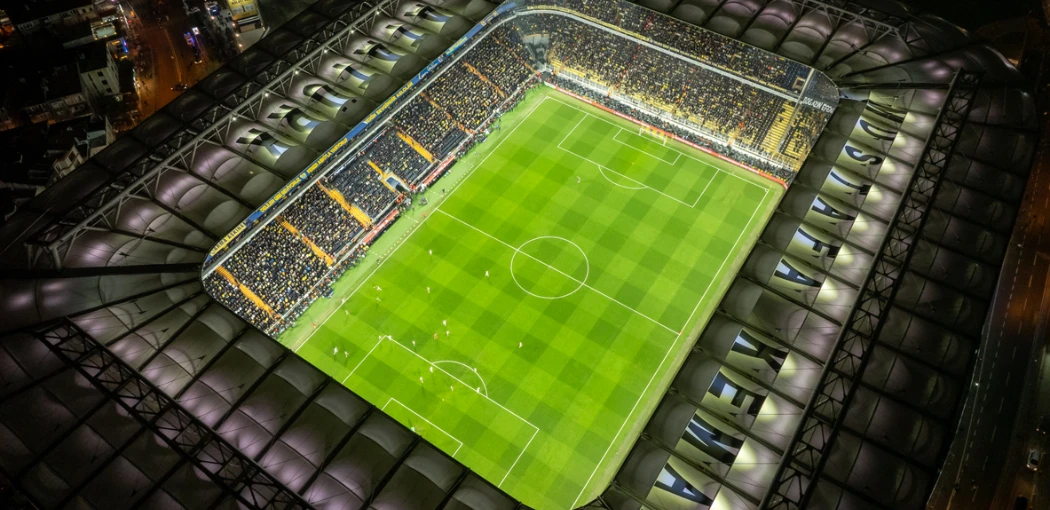
The eagerly awaited final between Argentina and Spain, scheduled to take place at the MetLife Stadium in New Jersey, will feature a half-time break of 25 to 30 minutes.
This longer interval stems from FIFA’s plan to include an 11-minute entertainment show during the break, a move that goes against football’s official regulations, which specify a maximum of 15 minutes for half-time.
Dr Liam Harper, senior lecturer in physiology at the Institute of Sport, Manchester Metropolitan University, voiced concerns about how such an extended break could impact players physically.
He told the Press Association, “We know a 15-minute half-time period is enough to reduce muscle temperatures back towards resting levels.”
Dr Harper explained that maintaining higher muscle temperature is essential for peak athletic output, as it is “linked with greater power production and faster force development. That’s why warming up is not only important to minimise injury risk but also to enhance physical performance.” He cautioned that a longer break could lead to a “more significant drop” in muscle temperature.
Although players are somewhat used to extended pauses before kick-off — typically around 30 minutes between warm-up and the start of the match — Dr Harper stressed that an extended mid-game break poses unique physiological challenges.
He noted that the standard 15-minute half-time generally allows sufficient time for players to refuel, rehydrate, and lower their core body temperatures — particularly relevant given that match-day temperatures are expected to be around 30°C.
However, Dr Harper also acknowledged that the 30-minute interval could offer some advantages, granting athletes additional time to replenish energy stores, especially carbohydrates, and to rehydrate effectively. Coaches might also find the longer interval beneficial for tactical discussions.
To counter potential drawbacks, he recommended that FIFA permit players to perform a brief two to four-minute re-warm-up session before the second half.
“Engaging in a re-warm-up has been shown to improve sprinting and jumping performance compared to starting the second half without any physical activity,” he said.
He further suggested that “using foam rollers and massage guns (percussive therapy) could help maintain flexibility, neuromuscular coordination, and an overall sense of staying loose, with some data supporting these methods.”
-
England vs France gives Manu Kone the ideal opportunity to secure his £47m transfer to Manchester United

-
Liverpool and Arsenal challenge Manchester United’s move for Manu Kone

-
Severe Flash Flooding in Kerr County, Texas Claims Life and Triggers Emergency Rescues

-
Why Prince Harry can't make peace with King Charles without Queen Camilla

-
Joe Root Stranded On 99 As England Beat India By 4 Wickets In 2nd ODI, Level Series 1-1