From sunscreen to sleep: Everyday habits that impact pigmentation treatment
ETimes | July 17, 2026 11:39 AM CST
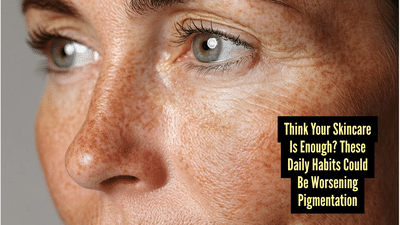
There was a time when pigmentation was largely discussed inside a dermatologist's clinic. Today, it has become one of the most searched skincare concerns, and understandably so. Consumers are more aware, more curious and far more willing to invest in skincare than ever before. Despite the growing number of products and ingredients available, one question continues to surface: "Why isn't my pigmentation getting better?"
The answer often lies beyond the skincare shelf
Pigmentation doesn't appear overnight, and it rarely has a single cause. While genetics and hormonal changes can certainly play a role, the skin is also responding to countless everyday experiences that we barely think about. Those small, repeated exposures eventually leave a visible imprint.
It's Never Just One Sunny Afternoon
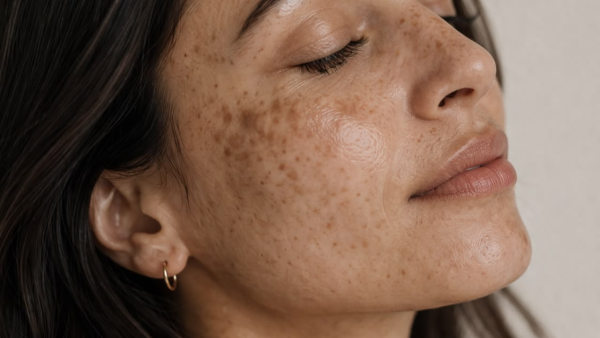
When people hear the words "sun damage", they usually picture a beach holiday or an afternoon spent outdoors. In reality, skin doesn't distinguish between a holiday in Goa and twenty minutes spent walking to work every morning. Those brief moments in the sun, repeated day after day, are enough to keep triggering melanin production. Add to that long hours spent near windows, frequent commutes or forgetting to reapply sunscreen, and it becomes easier to understand why pigmentation has a habit of returning just when it seems to be improving. The skin remembers patterns, not occasions
The Industry Has Created Smarter Consumers and Higher Expectations
One of the biggest changes we have witnessed over the years is how informed skincare consumers have become. Ingredient lists are no longer intimidating. People know what niacinamide does, they ask about tranexamic acid, and they actively seek dermatologist-backed formulations. That shift is encouraging because informed consumers make better choices.
At the same time, information overload has created a different challenge. Many people believe that if one active ingredient works, four must work even better. In reality, the skin doesn't reward excess. It rewards consistency.
An overloaded routine can leave the skin irritated, weaken its protective barrier and, ironically, make pigmentation even more difficult to manage. Sometimes the best decision is not adding another serum but giving the skin the stability it has been missing.
Healthy Skin Is Built Long After the Routine Ends
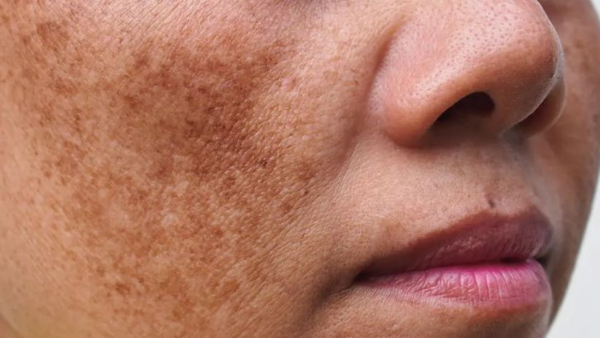
The skincare industry understandably spends a great deal of time talking about products. We spend far less time talking about lifestyle. And the skin is influenced by the life we lead every day. Stress, inadequate sleep, poor hydration and environmental exposure all affect how efficiently the skin repairs itself. These are not dramatic events that instantly create pigmentation, but they shape how resilient the skin is and how well it responds to treatment over time. This is why skincare should never be viewed in isolation. The routine you follow in front of the mirror is only one part of the equation. What happens during the remaining twenty-three hours of the day matters just as much.
Science Is Becoming More Intelligent
In a conversation with Shaily Mehrotra, CEO & Co-Founder of Fixderma & FCL, she solely spoke about the issue and said, "Dermatology has moved well beyond the idea of simply lightening dark spots. The focus today is understanding why pigmentation develops and supporting healthier skin while addressing those biological pathways. That is where innovation becomes meaningful. The future of skincare is becoming more precise, more personalised and far more respectful of how the skin naturally functions."
She further added, "People often ask what the most effective pigmentation treatment is. There isn't a single answer. The most effective treatment is one that combines good science with good habits. A thoughtfully formulated skincare routine can certainly improve pigmentation, but it performs at its best when it is supported by everyday decisions that protect the skin instead of challenging it."
The answer often lies beyond the skincare shelf
Pigmentation doesn't appear overnight, and it rarely has a single cause. While genetics and hormonal changes can certainly play a role, the skin is also responding to countless everyday experiences that we barely think about. Those small, repeated exposures eventually leave a visible imprint.
It's Never Just One Sunny Afternoon
When people hear the words "sun damage", they usually picture a beach holiday or an afternoon spent outdoors. In reality, skin doesn't distinguish between a holiday in Goa and twenty minutes spent walking to work every morning. Those brief moments in the sun, repeated day after day, are enough to keep triggering melanin production. Add to that long hours spent near windows, frequent commutes or forgetting to reapply sunscreen, and it becomes easier to understand why pigmentation has a habit of returning just when it seems to be improving. The skin remembers patterns, not occasions
The Industry Has Created Smarter Consumers and Higher Expectations
One of the biggest changes we have witnessed over the years is how informed skincare consumers have become. Ingredient lists are no longer intimidating. People know what niacinamide does, they ask about tranexamic acid, and they actively seek dermatologist-backed formulations. That shift is encouraging because informed consumers make better choices.
At the same time, information overload has created a different challenge. Many people believe that if one active ingredient works, four must work even better. In reality, the skin doesn't reward excess. It rewards consistency.
An overloaded routine can leave the skin irritated, weaken its protective barrier and, ironically, make pigmentation even more difficult to manage. Sometimes the best decision is not adding another serum but giving the skin the stability it has been missing.
Healthy Skin Is Built Long After the Routine Ends
The skincare industry understandably spends a great deal of time talking about products. We spend far less time talking about lifestyle. And the skin is influenced by the life we lead every day. Stress, inadequate sleep, poor hydration and environmental exposure all affect how efficiently the skin repairs itself. These are not dramatic events that instantly create pigmentation, but they shape how resilient the skin is and how well it responds to treatment over time. This is why skincare should never be viewed in isolation. The routine you follow in front of the mirror is only one part of the equation. What happens during the remaining twenty-three hours of the day matters just as much.
Science Is Becoming More Intelligent
In a conversation with Shaily Mehrotra, CEO & Co-Founder of Fixderma & FCL, she solely spoke about the issue and said, "Dermatology has moved well beyond the idea of simply lightening dark spots. The focus today is understanding why pigmentation develops and supporting healthier skin while addressing those biological pathways. That is where innovation becomes meaningful. The future of skincare is becoming more precise, more personalised and far more respectful of how the skin naturally functions."
She further added, "People often ask what the most effective pigmentation treatment is. There isn't a single answer. The most effective treatment is one that combines good science with good habits. A thoughtfully formulated skincare routine can certainly improve pigmentation, but it performs at its best when it is supported by everyday decisions that protect the skin instead of challenging it."
READ NEXT
-
Wealthtech Startup Veriqus Raises ₹387 Cr To Build AI-Led Investment Platform

-
US Military Faces Rising Casualties Amid Iranian Conflict

-
Rohit Sharma's Stellar Performance at Lord's Silences Retirement Rumors

-
Nurpur Police Enforce Preventive Detention Against Drug Offenders

-
Severe Flooding in Pangi Valley Following Cloudburst