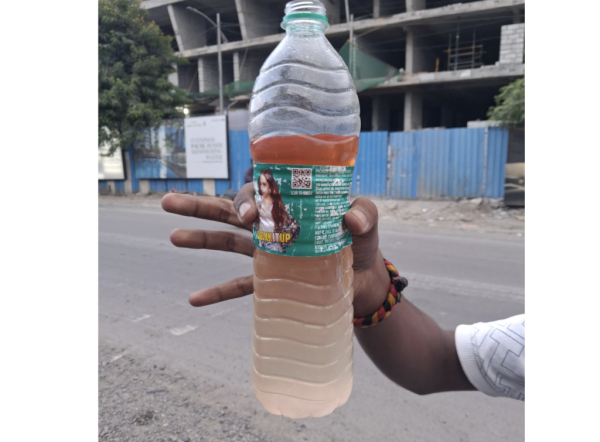
Petrol pump owners have raised concerns that E20 petrol could become contaminated during the monsoon because of ethanol’s moisture-absorbing properties. They claim that water entering underground storage tanks may mix with the ethanol component, leading to fuel quality issues in some cases. However, government agencies and industry bodies maintain that E20 fuel meets all prescribed quality standards and that the issue, if it occurs, is to storage infrastructure rather than the fuel itself.
The debate has renewed discussions around India’s nationwide transition to E20 petrol.
Why Are Petrol Pump Owners Concerned?
According to petrol pump operators, ethanol naturally absorbs moisture from its surroundings. During heavy rains or in coastal regions, water may enter underground fuel storage tanks through condensation, rainwater ingress, or other sources.
If the water content rises beyond permissible limits, ethanol may separate from petrol and settle at the bottom of the storage tank along with the absorbed water. Since fuel dispensing systems draw fuel from the bottom of these tanks, some vehicles could receive a water-rich fuel mixture, potentially causing engine performance issues.
Storage Infrastructure Under Scrutiny
Petrol pump owners argue that many underground storage tanks were originally designed for conventional petrol and may not be fully optimised for higher ethanol blends like E20.
They have also expressed concerns that prolonged exposure to moisture could increase the risk of corrosion in older storage tanks and pipelines, making proper maintenance even more important.
Government And Industry Respond
Government agencies and industry representatives have rejected the suggestion that E20 fuel itself is unsafe. They emphasise that ethanol’s moisture-absorbing nature is a well-known characteristic that has already been considered while framing fuel quality standards.
Officials also point out that water contamination is undesirable for any type of fuel and that oil marketing companies have upgraded fuel dispensing systems and implemented regular quality checks to minimise such risks.
Quality Checks Continue
Oil marketing companies have intensified inspections at petrol pumps to ensure fuel quality and identify any contamination at the earliest. Dealers are also required to regularly monitor underground storage tanks, particularly during the monsoon season, and report any signs of water ingress or contamination.
These measures are intended to ensure that customers receive fuel that complies with prescribed standards.
What It Means For Vehicle Owners
Experts advise motorists not to panic, as there is no evidence that E20 fuel itself damages compatible vehicles. Instead, maintaining proper storage conditions at fuel stations remains the key factor in preventing contamination. Vehicle owners are encouraged to refuel at authorised petrol pumps and report any unusual vehicle behaviour to both the fuel retailer and the vehicle manufacturer.
Summary
Petrol pump owners have raised concerns that E20 petrol may become contaminated during the monsoon because ethanol absorbs moisture. They believe ageing storage infrastructure could contribute to the problem, while government agencies and industry bodies maintain that E20 fuel meets quality standards and that proper storage and regular inspections are sufficient to prevent contamination.
-
‘No talks about MLS’ – Jack Grealish’s next move revealed as Manchester City or Everton future takes shape, with England ambitions still alive

-
Marriage does not mean the end of loneliness, why is the emotional distance growing under the same roof?

-
Readers Choice: 12 Best Burger Joints Across India

-
Will Donald Trump attend FIFA World Cup Final on Sunday?

-
FIFA World Cup: When will the closing ceremony take place, who will perform? Read full details