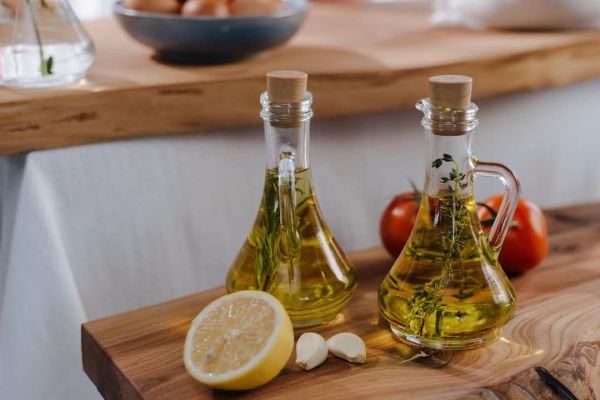
Cooking oil is one of those kitchen essentials that most of us buy in large bottles and use for months. Since it doesn't spoil as quickly as milk or vegetables, many people assume it stays good until the bottle is empty. But that's not always true. Cooking oil also has a shelf life, and if it isn't stored properly, it can go bad before you even realise it. Using spoiled oil doesn't just affect the taste of your food. Over time, it may also have an impact on your health. That's why it's important to know how long different oils last and the signs that tell you it's time to throw them away.
Why Does Cooking Oil Go Bad?
Cooking oil doesn't spoil overnight. Instead, it slowly breaks down when it comes in contact with air, heat, and sunlight. This process is known as oxidation. As oxidation increases, the oil starts losing its freshness and develops a rancid smell and unpleasant taste. Experts say that eating a small amount of rancid oil once in a while is unlikely to cause immediate harm. However, regularly consuming oil that has gone bad may lead to the formation of free radicals in the body, which can affect overall health over time. The good news is that storing oil correctly can significantly increase its freshness.
How Long Can Different Cooking Oils Last?
Not every cooking oil has the same shelf life. Some stay fresh for years, while others should be used within a few months of opening.
- Refined Vegetable Oil And Canola Oil: Around 1 to 2 years when unopened. Once opened, try to finish them within 6 to 12 months.
- Extra Virgin Olive Oil: Can last up to 24 months in a sealed bottle, but it's best used within 3 to 6 months after opening.
- Coconut Oil: Usually stays fresh for about 2 years.
- Sesame Oil: Best consumed within 6 months of opening.
- Flaxseed Oil: Lasts around 6 to 8 months after opening and should always be stored in the refrigerator.
- Avocado Oil: Generally remains good for about 6 months after opening.
Keeping oil in a tightly sealed bottle, away from direct sunlight and heat, is one of the easiest ways to preserve its quality.
Simple Signs That Your Cooking Oil Has Gone Bad
The first thing to check is the 'Best Before' or 'Use By' date printed on the bottle. While this date usually indicates the oil's best quality rather than its safety, poor storage can make it spoil even earlier. A simple habit like writing the opening date on the bottle can help you keep track. Your nose can also tell you a lot. If the oil smells sour, stale, or has a paint-like or rancid odor, it's probably no longer fit for cooking. The taste may become bitter, sour, or even slightly soapy. In some cases, the oil may appear darker than usual, become thicker, or develop sediment at the bottom. One thing to remember is that olive oil can become cloudy when stored in the refrigerator. This is completely normal and doesn't mean the oil has spoiled. Once it returns to room temperature, it becomes clear again. If your cooking oil has an unusual smell, taste, or appearance, it's better to replace it than risk using it in your meals.
-
Experts are telling why rice water is beneficial for skin and hair, know what is the right way to use it?

-
International Moon Day: How did man reach the moon for the first time? Know from history to today’s Moon mission

-
Coorg Trip Planning: Amazing Experiences on a Budget

-
5 apple-eating habits that may cause digestive problems
-
Kevin Feige admits disappointment over delayed ‘Blade’ reboot